






The Psychology of 'Painless' Payments
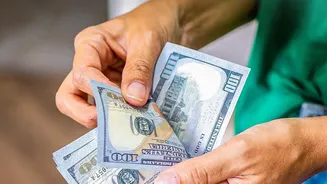
The core of the issue lies in a behavioural economics concept known as the 'pain of paying'. When you hand over physical cash—a crisp ₹500 note for groceries, for instance—your brain registers a tangible loss. You see your wallet getting lighter. Digital
payments, however, remove this psychological friction. A quick tap of your phone feels abstract, almost like you aren't spending real money. This emotional and physical disconnect between the act of buying and the act of paying makes it easier to spend without feeling the immediate financial impact. Studies have shown that people are often willing to spend significantly more when using digital methods compared to cash precisely because it doesn't 'hurt' as much in the moment.
Death by a Thousand Digital Taps
A ₹20 chai here, a ₹150 auto ride there, splitting a ₹300 lunch bill with a friend—none of these individual transactions feel significant. They are micropayments, and our brains tend to dismiss them as unimportant. However, this 'latte effect', where small, frequent purchases go untracked, is supercharged by UPI's efficiency. What might have once required a trip to the ATM or breaking a larger note now happens in a second. Over a month, these dozens of tiny, almost invisible expenses can accumulate into a surprisingly large sum, creating a significant and unexpected hole in your budget. This is the secret drain: not one large leak, but thousands of tiny, unmonitored drips.
Is UPI Charging You Secret Fees?
It's a common concern, but the short answer is no. For the average consumer, the cost isn't coming from hidden bank charges. Person-to-person (P2P) UPI transactions are entirely free, regardless of the amount. Furthermore, the government and NPCI have clarified that person-to-merchant (P2M) payments also remain free for the customer. While a Merchant Discount Rate (MDR) is applicable for merchants on certain transactions over ₹2,000, this cost is not meant to be passed on to the consumer. The financial drain described here is not transactional; it's behavioural. The 'cost' of UPI is the way its seamless nature encourages us to lower our spending guard.
Four Steps to Reclaim Your Cash Reserve
The goal isn't to abandon UPI—its convenience is undeniable. The key is to reintroduce mindfulness into your spending habits. First, conduct a weekly UPI audit. Spend ten minutes every Sunday scrolling through the transaction history in your payment app. Simply seeing the volume and total can be a powerful wake-up call. Second, create a 'digital petty cash' fund. Open a secondary bank account and keep only a limited amount of money in it, say, your weekly budget for miscellaneous spends. Link this account to your UPI apps. When the account is empty, your spending for the week is done. Third, leverage technology for tracking. Use an expense tracker app that automatically logs and categorises your spending by reading your bank transaction SMS or notifications. This gives you a clear, real-time picture of where your money is going without manual entry. Finally, consider a 'cash-only weekend' once a month. Withdrawing a set amount of cash and using only that for two days can reset your awareness of what things actually cost and re-sensitise your brain to the 'pain of paying'.