



From Data Collectors to Brains in the Sky
For decades, Earth observation satellites have operated like cosmic photographers, snapping pictures and sending vast amounts of raw data back to ground stations for processing. This model has worked, but it creates a significant bottleneck. It can be
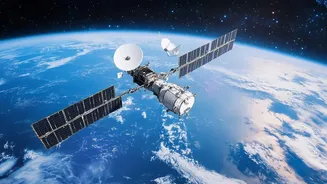
slow, costly, and inefficient, especially when a timely response is critical. The next generation of satellites flips this concept on its head. Instead of just being eyes in the sky, they are becoming orbiting brains. By integrating artificial intelligence (AI), machine learning (ML), and powerful on-board computers—a concept known as edge computing—these intelligent satellites can analyze data right where it's collected. They can identify what's important, discard what isn't, and send back refined insights instead of just raw images. This shift from capturing data to generating real-time intelligence in orbit is a fundamental change, with ISRO officials and private sector leaders highlighting its transformative potential.
Faster Than the Floodwaters in Disaster Management
One of the most powerful applications for this technology is in disaster management. India is prone to natural disasters like floods, cyclones, and forest fires. Traditional satellites can capture images of an affected area, but the data has to be downlinked, processed, and analyzed before it becomes actionable intelligence for rescue teams. This delay can cost lives. Intelligent satellites can perform this analysis in orbit. For example, an AI model on board can instantly compare a new image of a coastline with previous ones to detect the extent of flooding after a cyclone, automatically flagging inundated villages or washed-out roads. It can then transmit these focused, high-priority alerts directly to authorities on the ground, enabling a much faster and more effective response. Private Indian startups like GalaxEye are developing satellites that combine different sensor types and use AI to create clear images even through clouds, a critical capability during monsoon season.
A Revolution for Agriculture and Resources
Agriculture is the backbone of the Indian economy, and intelligent satellites promise a new era of precision farming. On-board AI can analyze multispectral imagery to assess crop health, detect pest infestations, monitor soil moisture levels, and even predict yields across vast farmlands. Instead of waiting days for analysis, farmers and policymakers could receive near real-time updates. This allows for targeted interventions, such as optimizing irrigation or applying fertilizer exactly where it's needed, saving resources and boosting productivity. This capability extends to managing other natural resources, from monitoring deforestation and illegal mining in remote forests to tracking water levels in reservoirs. By automating this monitoring from space, authorities can manage resources more sustainably and efficiently. Indian companies are already securing grants to develop AI models specifically tailored to the country's diverse agricultural landscapes and climate dynamics.
Bolstering National and Economic Security
The strategic implications for national security are also profound. AI-powered satellites can provide a significant edge in intelligence, surveillance, and reconnaissance (ISR). They can autonomously detect changes along borders, identify and classify military assets, and monitor maritime activity with greater speed and accuracy. This reduces the reliance on manual analysis and shortens the time between observation and decision. Beyond military applications, this technology enhances economic security. ISRO experts have noted that quantum technology, paired with AI, can be used to create ultra-secure communication networks, protecting everything from financial transactions to critical infrastructure from cyber threats. As India invests in constellations of dedicated surveillance satellites, on-board AI is considered a critical component to maintain a strategic advantage and ensure the security of the satellites themselves from threats in an increasingly congested orbit.