




More Than Just a Song
Before a single ball is kicked at the FIFA World Cup, the first contest has already been won and lost in the hearts of millions. The national anthem is the opening ceremony of every match, a moment where the chaos of the stadium falls into a structured,
emotional crescendo. It’s a collective intake of breath before the 90-minute storm. For players, it’s a final, powerful reminder of who they represent: not just a team, but a country, a history, and the hopes of every fan watching back home. This ritual transcends music; it’s a public display of unity and an intimate moment of personal focus. The camera pans across faces etched with concentration, pride, and the sheer weight of the occasion, turning a pre-game formality into unmissable drama.
The Psychology of the Anthem
There’s a science to the shiver that runs down a fan's spine. Singing in a group, a phenomenon known as collective effervescence, is proven to release endorphins and create powerful bonds of social connection. Now imagine that on a global scale. When a team belts out their anthem with passion, they are not just psyching themselves up; they are performing a powerful act of group synchronisation. This shared experience can create a 'we are in this together' mentality, a crucial psychological edge before a high-stakes match. It serves as an emotional anchor, channelling nervous energy into focused aggression and patriotic fervour. For a player about to face a rival, the anthem acts as a powerful auditory cue, switching their mindset from individual athlete to national warrior.
Iconic World Cup Moments
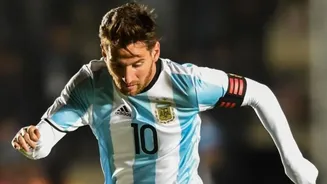
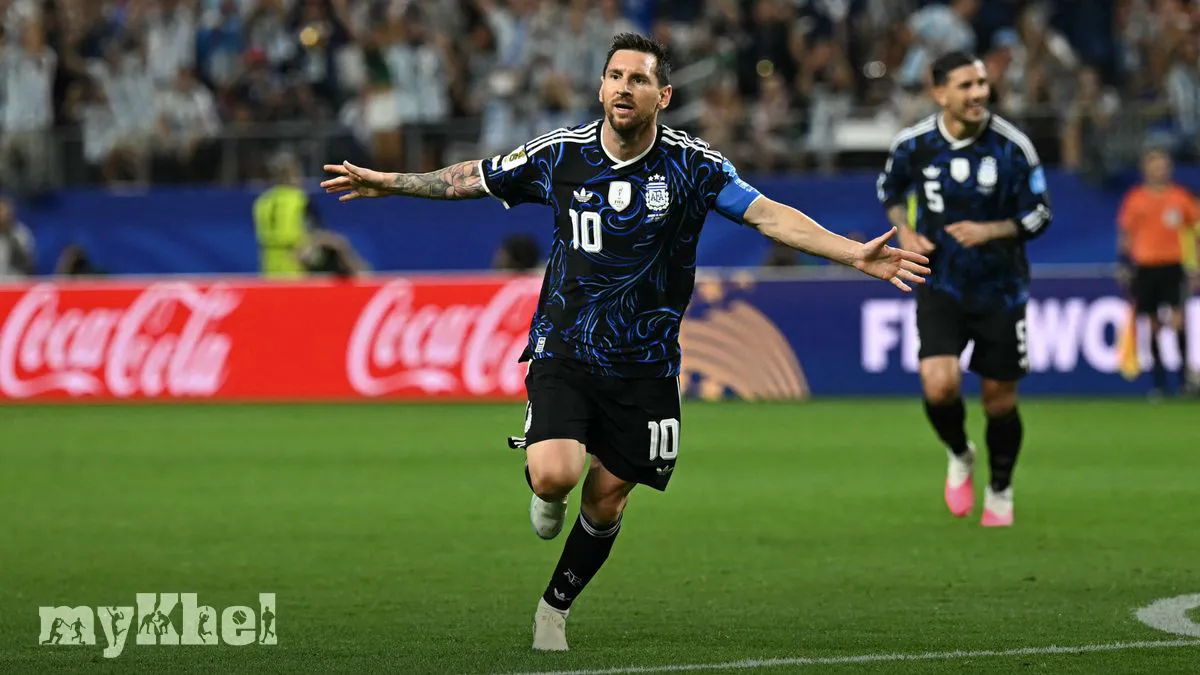
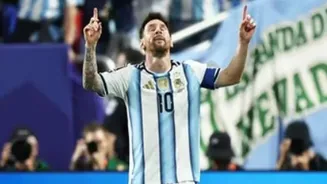
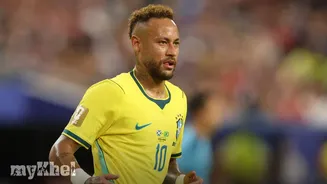
The World Cup archives are filled with anthem moments that are as memorable as the goals themselves. Think of Brazil at the 2014 World Cup on home soil. As the orchestra track for 'Hino Nacional Brasileiro' ended, the players and the entire stadium in Fortaleza continued to sing the second verse a cappella, a deafening, defiant roar of passion that visibly shook their Chilean opponents. Or consider Italy's squad before the 2006 final. Led by Gianluigi Buffon and Fabio Cannavaro, they sang 'Il Canto degli Italiani' with an intensity that screamed of destiny, their eyes blazing with a desire that would later see them lift the trophy. More recently, Lionel Messi’s emotional reactions during Argentina’s anthem throughout their victorious 2022 campaign told a story of a final, desperate quest for glory, each rendition a step closer to immortality.
A Nation on a Global Stage
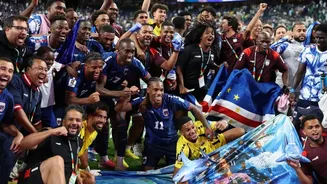
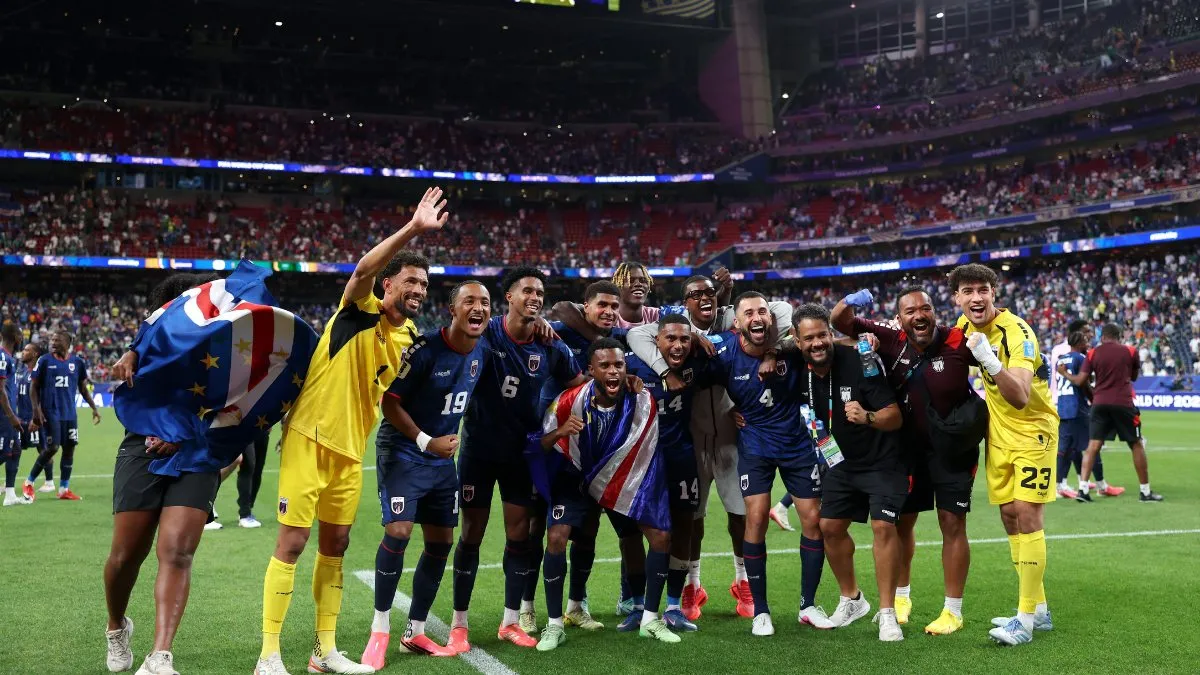
For many countries, especially smaller nations or those making a rare World Cup appearance, the anthem is their moment in the global spotlight. It’s a ninety-second broadcast of their identity, culture, and history to an audience of billions. When Panama qualified for the first time in 2018, the tears streaming down the face of defender Román Torres during the anthem were not just about a football match; they were about a lifetime of struggle and a nation finally arriving on the world’s biggest stage. The anthem becomes a sonic flag, a declaration that 'we are here.' It can also be a unifying force for nations fractured by internal conflict or political division, offering a rare, unblemished moment of shared identity that everyone, regardless of their background, can rally behind.