






Analyse Weather and Water Conditions
The single most critical factor in canyon safety is water. Meghalaya's weather can be notoriously fickle, with rainfall in upstream areas leading to sudden, life-threatening flash floods miles downstream. Before even leaving for your trip, check official
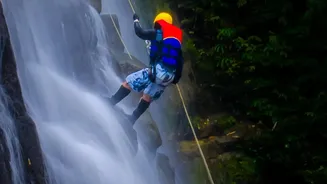
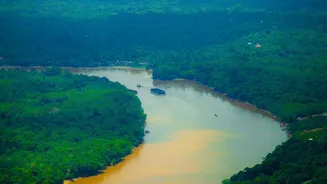
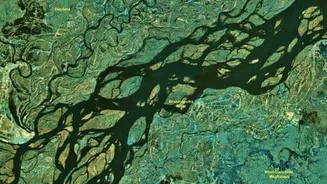
weather forecasts from sources like the India Meteorological Department. However, forecasts are not enough. Local knowledge is invaluable. Always consult with local guides or villagers about the current water levels and recent weather patterns in the specific catchment area of the canyon you plan to enter. Watch the water at all times, as conditions can change dramatically in a short period. A clear sky above you does not guarantee safety if it's raining upstream.
Thoroughly Inspect Your Equipment
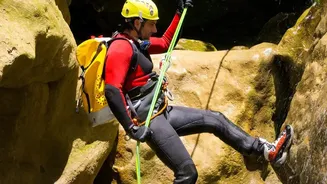
Your gear is your lifeline, and equipment failure is not an option. A full inspection is mandatory before every trip. This includes ropes, harnesses, helmets, and descent devices. Check ropes for any cuts, abrasions, or core damage. Ensure your harness stitching is intact and buckles are fully functional. Helmets should be free of cracks or significant impact damage. All equipment, especially personal flotation devices and harnesses, should be certified by a recognized body like the UIAA (International Climbing and Mountaineering Federation). Beyond personal gear, confirm the group kit includes sufficient webbing for replacing anchors, quick links, a first-aid kit, and emergency ascenders. In wet canyons, which are common in Meghalaya, a wetsuit is crucial for preventing hypothermia, even on warm days.
Evaluate Your Guide and Operator
The experience and professionalism of your guide can be the difference between a thrilling adventure and a tragedy. In Meghalaya, especially in regions like the East Khasi Hills, using a registered guide for treks and outdoor activities is mandatory. Do not be shy about vetting your operator. Ask for their certifications, which in India could be from bodies like the Indian Mountaineering Foundation (IMF) or Nehru Institute of Mountaineering (NIM). Check online reviews on independent platforms, paying attention to comments about safety protocols and guide competence. A trustworthy operator will confidently answer detailed questions about their emergency plans, guide qualifications, and equipment maintenance schedules. Be wary of deals that seem too good to be true, as extremely low prices can be a red flag for compromised safety standards or poor-quality gear.
Assess Your Route and Emergency Plan
A good adventure starts with a solid plan. You and your group must have a clear understanding of the route, including entry points, key obstacles, and, most importantly, all possible exit points. In the event of a sudden change in weather or an injury, knowing how to get out of the canyon quickly is vital. Always inform someone not in your party of your detailed plans, including where you are going and when you expect to return. Your emergency plan should include carrying essentials like a waterproof headlamp, a whistle for signalling, a first-aid kit, and extra high-energy food. In remote areas with unreliable mobile service, a satellite phone or personal locator beacon can be a crucial piece of safety equipment.
Check Your Personal and Group Fitness
Canyoning is physically demanding. It involves hiking, swimming, scrambling, and rappelling, often for hours at a time. Be honest about your own physical fitness and skill level, and ensure it matches the demands of the chosen canyon. Can you swim competently in cold, moving water? Are you comfortable with heights? Do you have the stamina for a long, strenuous day? It is equally important to assess the readiness of everyone in your group. The strength of a canyoning team is determined by its least experienced member. A single unprepared person can endanger the entire group. Ensure everyone is mentally prepared for the challenge, as panic can lead to poor decisions and accidents.