





The Science of Staying Dry
The term 'waterproof' is more than just a marketing buzzword; it's a promise backed by material science. Truly waterproof accessories are designed not just to resist a light shower, but to provide a complete barrier against water, even in a torrential
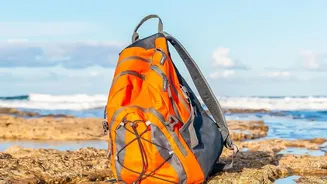
downpour. This is achieved through specific materials and construction methods. Many high-quality dry bags and backpacks are made from materials like PVC (Polyvinyl Chloride), TPU (Thermoplastic Polyurethane), or vinyl. These non-porous materials inherently block water. Other gear might use durable fabrics like nylon, which are then given a waterproof coating. But the material is only half the story. The construction is what ensures a complete seal. Instead of traditional stitching, which creates tiny holes for water to seep through, premium waterproof gear uses welded seams. This process uses heat and pressure to fuse the material panels together, creating an unbreakable, watertight bond. The closure system is also critical. Many dry bags feature a roll-top closure, which creates a secure seal, while others use specialized waterproof zippers to prevent any moisture from getting in.
Shielding Your Sensitive Electronics
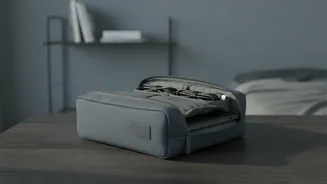
For electronics, water damage is far more sinister than just a little moisture. When water gets inside a device, the impurities and ions it contains can create unintended electrical pathways, leading to short circuits that can cause immediate failure. But even if a device survives the initial exposure, the long-term threat is corrosion. Moisture can slowly corrode the delicate internal components, like copper traces and connectors, leading to malfunctions days or even weeks later. This is why a device that seems fine after drying out can suddenly fail. High humidity and condensation can be just as damaging over time. Waterproof accessories protect your gadgets by creating a sealed environment. A good waterproof phone pouch or laptop sleeve prevents both direct water entry and the build-up of internal condensation. When choosing protective cases for electronics, look for an IP (Ingress Protection) rating. This two-digit code tells you exactly how resistant a product is to solids and liquids, offering a standardized measure of its protective capabilities.
Keeping Clothes and Gear Usable
Arriving at your destination only to find your spare set of clothes soaked is not just an inconvenience; it can ruin part of your trip. Damp clothes packed away in a bag create the perfect breeding ground for mould and mildew, which thrive in warm, wet environments. This not only leaves your clothes with a persistent musty odour but can also degrade the fabric over time. Stuffing wet clothes into a suitcase can lead to these issues, making everything in your bag smell unpleasant. Waterproof duffels and dry sacks are essential for preventing this. They ensure your clean, dry clothes remain that way, no matter the weather outside. They are also incredibly useful for quarantining wet or dirty items. After a swim or an unexpected drenching, you can store damp towels and clothes in a separate waterproof bag, preventing them from soaking everything else in your luggage. This simple act of separation keeps your other belongings fresh and ready to use.
Essential Gear for Any Weather
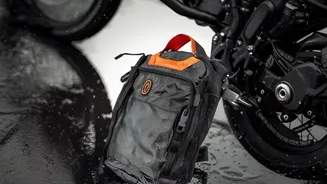
Investing in the right waterproof accessories provides peace of mind on any journey, especially for those on motorcycles who are more exposed to the elements. Dry bags are one of the most versatile pieces of waterproof luggage. These are essentially simple, durable sacks with a roll-top closure that can be strapped to a bike or put inside a larger, non-waterproof bag. For riders and drivers alike, a waterproof backpack is a great all-in-one solution for carrying essentials. Look for models with welded seams and waterproof zippers for maximum protection. Smaller items are just as important. A waterproof phone pouch is a small, affordable accessory that can save you from a costly replacement. For those with existing luggage they love, rain covers are a practical option. These can be slipped over a backpack or tail bag when the weather turns, offering a solid layer of water resistance without needing to buy entirely new luggage.