


The Science of a Sad Salad
Before we get to the solution, it’s helpful to understand the problem. Delicate salad greens are made of plant cells filled with water. When you handle them roughly, those cell walls break, a process that leads to bruising and wilting. This is why mishandled
lettuce can quickly turn from crisp to soggy. The browning you often see on cut or bruised edges is a harmless chemical reaction called oxidation, which happens when the inside of the leaf is exposed to air. While not unsafe to eat, it’s not visually appealing and signals that the greens have been damaged. Keeping the leaves intact is the key to a fresh, lively salad.
Why a Wide Bowl Is Your Best Friend
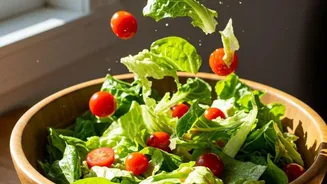
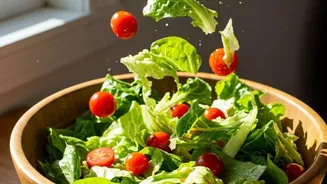
The single most effective change you can make in your salad prep is to use a large, wide bowl. Think bigger than you think you need—a bowl that is at least 25% to 50% larger than the volume of your ingredients is a good rule of thumb. A wide bowl provides ample surface area, which is crucial for two reasons. First, it prevents overcrowding. When greens are crammed into a deep, narrow bowl, you have to compress and mash them to get everything mixed, inevitably causing bruising. In a wide bowl, the leaves have room to move freely. Second, it allows for a gentler tossing motion. Instead of stirring and crushing, you can use a lifting and folding motion from the bottom up, which is far kinder to delicate leaves. This ensures every leaf is lightly and evenly coated in dressing without being damaged in the process.
The Art of the Toss
With the right bowl, you're ready to master the technique. Start by ensuring your greens are completely dry; dressing won't stick to wet leaves. Place your heaviest ingredients, like chopped cucumbers or tomatoes, at the bottom of the bowl. This helps distribute the dressing without weighing down and bruising the delicate greens on top. When it's time to dress, don't drown your salad. Add a small amount of dressing—about one to two tablespoons for a medium salad—and toss gently. Many chefs recommend using your clean hands instead of tongs. Your fingertips are more sensitive and can toss ingredients with a lighter touch than metal or plastic tongs, which can easily crush leaves. A gentle folding and lifting motion ensures every component is kissed with dressing, not soaked.
More Pro Tips for Perfect Greens
Beyond the bowl, a few other professional habits can elevate your salad game. Always dress your salad immediately before serving. The salt and acid in dressings will begin to break down the greens over time, so timing is everything. If you're working with tougher greens like kale, you can actually benefit from a light massage. Rubbing the leaves with a bit of dressing in your hands helps to break down their fibrous texture, making them more tender and palatable. For delicate greens like butter lettuce or arugula, however, a lighter touch is always better. Finally, consider the material of your bowl. Glass, ceramic, and stainless steel are all excellent, non-porous options that are easy to clean and won't absorb flavors from your dressing.