


The Ancient Rules of Fasting
The tradition of vrat, or ritual fasting, in Hinduism is deeply rooted in principles of purification and self-discipline. At its core, vrat cooking adheres to a specific set of dietary rules, the most significant of which is the avoidance of 'ann', or grains.
This category includes wheat, rice, millet, barley, and lentils. The idea is to consume foods that are considered light, pure, and easy to digest, allowing the body and mind to focus on spiritual reflection. Common salt is also often replaced with sendha namak (rock salt), which is considered a purer, unprocessed alternative. This strict framework created a culinary challenge: how to create filling, nutritious meals without using everyday staples? The answer lay in a handful of remarkable, non-grain ingredients that have since defined the cuisine of devotion.
Makhana: The Divine Lotus Seed
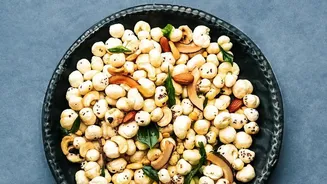
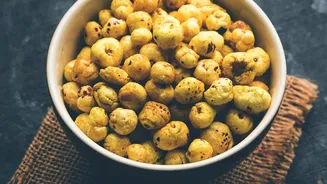
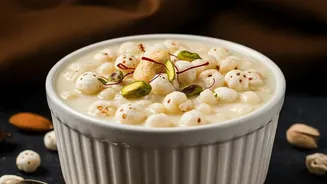
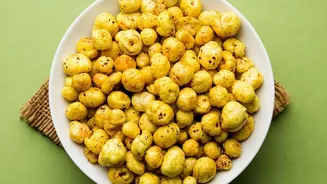
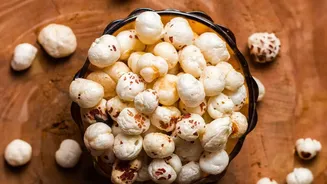
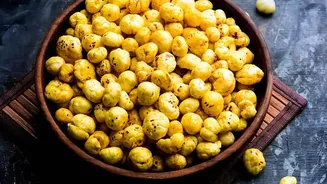
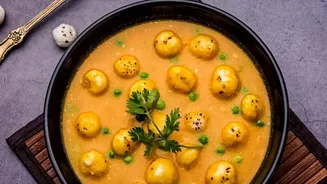
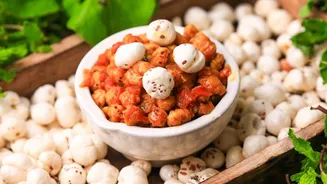
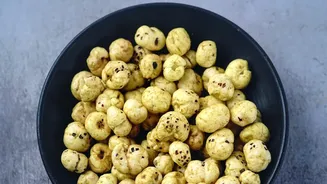
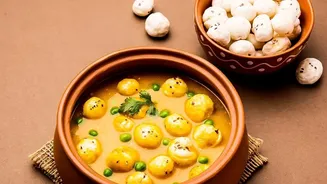
Puffed lotus seeds, or makhana, are perhaps the most versatile of all vrat ingredients. Harvested from the Euryale ferox, a species of water lily, makhana is not a grain but a seed. Its journey from a pond to a pantry is a laborious one, involving collection, drying, and roasting at high heat until the black shell breaks and a white puff emerges. Culturally, the lotus flower holds a sacred place in Hindu iconography, often associated with purity, divinity, and the goddess Lakshmi. This divine connection makes its seed an acceptable offering and food during religious observances. Nutritionally, makhana is a powerhouse. It is low in calories and fat but rich in protein, potassium, and fibre, making it an ideal snack to maintain energy levels during a fast. Whether roasted and lightly salted or used in a rich, creamy curry, its delightful crunch and adaptability have made it a beloved staple.
Kuttu and Rajgira: The Powerhouse Pseudo-Grains
The desire for a satisfying, bread-like accompaniment with vrat meals led to the widespread adoption of kuttu (buckwheat) and rajgira (amaranth). While they are often used as flours and look like traditional grains, they are botanically different. Both are classified as pseudo-cereals, meaning they are seeds from broadleaf plants rather than grasses. This clever distinction allows them to be consumed during fasts. Kuttu atta, or buckwheat flour, has a distinct nutty and earthy flavour. It is dense in nutrients, providing warmth and sustained energy. Rajgira, also known as ramdana ('God's grain'), has a slightly sweeter, milder taste. It is packed with protein, calcium, and iron. Together, their flours are used to make everything from fluffy puris and hearty cheelas to comforting rotis and parathas. They provide the wholesome, carbohydrate-rich satisfaction of a grain-based meal without breaking the rules of the fast.
From Sacred Sustenance to Modern Superfoods
For generations, makhana, kuttu, and rajgira were primarily associated with the fasting period. They appeared in markets in the weeks leading up to major festivals and were stored away afterwards. However, in recent years, these humble ingredients have undergone a remarkable transformation. With a growing global interest in wellness and nutrition, their inherent benefits have been rediscovered by a wider audience. As naturally gluten-free alternatives to wheat, they are now sought after by health-conscious consumers year-round. Makhana is marketed as a healthy popcorn alternative, while kuttu and rajgira flours are staples in gluten-free baking. This journey from the confines of ritualistic eating to the shelves of mainstream health food stores marks a full circle. They are no longer just foods of restriction but have become foods of choice, celebrated for the very same nourishing properties that made them ideal for fasting centuries ago.