


The Earthenware Renaissance
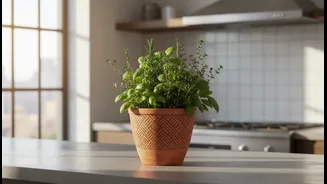
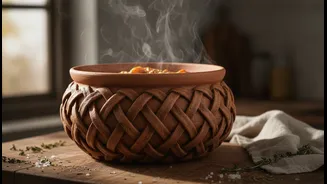
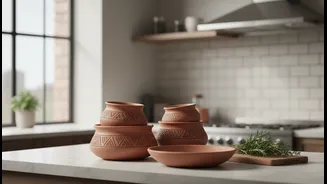
Walk into a modern Indian apartment, and you might be surprised to find earthy, reddish-brown clay pots simmering on the stove. This isn't just about nostalgia; it's a conscious choice. Artisans, particularly from Rajasthan, are reimagining traditional
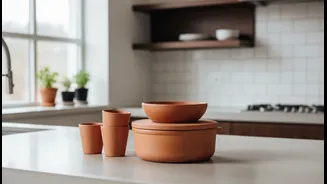
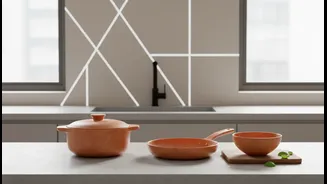
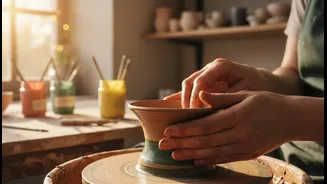
terracotta for the 21st-century home. These aren't the bulky, rough-hewn vessels of the past. Today’s versions are lighter, sleeker, and designed with an urban aesthetic in mind. They often come with ergonomic handles, snug-fitting lids, and sometimes even a lead-free glaze on the outside for easier cleaning. This modernisation makes them compatible with the daily grind of city life, blending ancient wisdom with contemporary convenience. What was once a village staple is now finding a coveted spot in high-rise kitchens, proving that good design is timeless.
Health on the Hob
One of the most compelling reasons for terracotta's revival is health. As awareness grows around the potential downsides of non-stick coatings and reactive metals, clay offers a natural, non-toxic alternative. Cooking in an unglazed clay pot has numerous benefits. Clay is porous, allowing heat and moisture to circulate evenly, which means food cooks slowly and retains more of its nutrients. This process often requires less oil, making meals lower in fat. Furthermore, clay is alkaline by nature. This property helps to neutralise the pH balance of acidic foods, making them easier to digest. Some proponents also claim that essential minerals from the clay, like calcium, iron, and magnesium, can subtly infuse into the food, adding a nutritional boost.
Compact, Chic, and Conscious
For the space-conscious city dweller, every kitchen item must justify its footprint. Modern terracotta cookware scores high on this front through multi-functionality. A single handi or kadhai can often go from the stovetop directly to the dining table, serving as an elegant piece of serveware. This reduces the need for a separate set of serving dishes, saving precious cabinet space and minimising cleanup. The aesthetic appeal is undeniable. The warm, earthy tones of terracotta provide a beautiful, rustic contrast to the chrome and steel common in modern kitchens, turning a simple cooking pot into a decor statement. This aligns with a broader trend of viewing the kitchen not just as a utilitarian space, but as an extension of one's personal style. Choosing these items is also an eco-conscious decision, as they are biodegradable and support artisan communities.
A Taste of Tradition
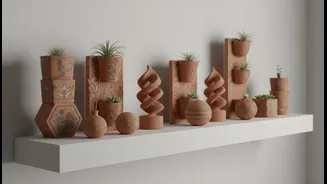
Beyond the practical benefits, using terracotta connects the user to a rich culinary heritage. The slow, even cooking process that clay pots enable is perfect for developing deep, complex flavours in dals, curries, and biryanis. Food cooked in clay simply tastes different—earthier, more aromatic, and intensely flavourful. This is because the porous nature of the pot traps steam and aroma, allowing the ingredients to stew in their own juices. Rajasthani artisans, drawing on centuries of tradition from regions like Pokaran, are masters of this craft. While Jaipur's famous Blue Pottery is largely decorative and uses different materials, the state's legacy with traditional clay work runs deep, ensuring that each piece carries a story of cultural resilience and time-honoured skill. This connection to heritage offers a grounding experience in the fast-paced urban world.