




Why the Sudden Focus on Materials?
For years, the primary criteria for a lunchbox were its ability to hold food without leaking and perhaps its visual appeal. Convenience was king, and lightweight plastic containers dominated the market. However, a growing body of research and increased
public awareness have shifted the conversation toward health and safety. The main driver of this change is concern over chemicals found in many plastics that can leach into food. Substances like bisphenol-A (BPA), phthalates, and other endocrine disruptors have been linked to a range of health issues. Children are particularly vulnerable because their bodies are still developing. This has led many consumers to question whether the convenience of plastic is worth the potential risk, sparking a search for safer alternatives.
The Problem with Plastic
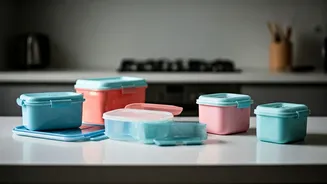
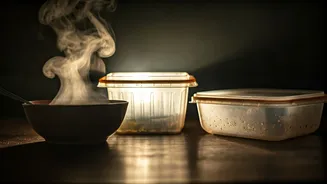
Plastic containers are affordable and lightweight, but their downsides are becoming harder to ignore. Many plastics contain chemical additives to make them durable or flexible. Heat is a major catalyst for concern; microwaving food in plastic containers or even washing them in the dishwasher can increase the rate at which chemicals like BPA and phthalates migrate into your meal. Even plastics marketed as "BPA-free" aren't necessarily risk-free. They often use substitute chemicals like BPS or BPF, which some studies suggest may have similar hormone-disrupting effects. Furthermore, plastics can absorb odors and stains from foods like curries and tomato sauces, and over time, they can crack and degrade, potentially releasing microplastics into your food.
Stainless Steel: The Durable Champion
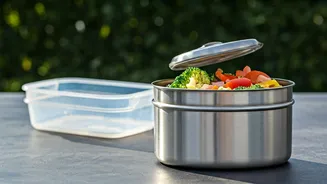
Amid the concerns over plastic, stainless steel has emerged as a top-tier alternative. High-quality, food-grade stainless steel (often labeled as 18/8 or 304) is non-reactive, meaning it won't leach chemicals into your food, even with acidic or oily contents. It’s incredibly durable, resistant to rust and corrosion, and doesn't absorb food odors or stains, making it easy to clean. Stainless steel lunchboxes are built to last a lifetime, making them a sustainable choice that reduces waste. The primary downsides are that most stainless steel containers cannot be used in a microwave and they can be heavier than their plastic counterparts. Many now come with leak-proof silicone seals, combining durability with practicality.
Glass: The Pure and Simple Choice
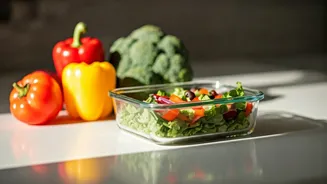
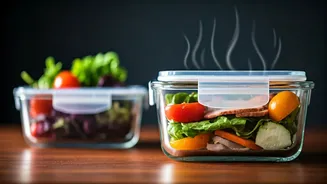
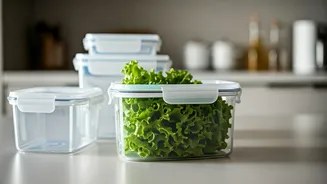
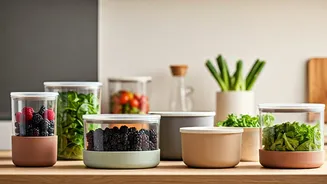
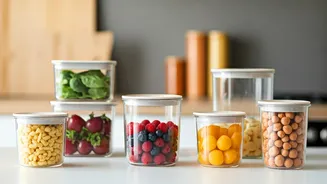
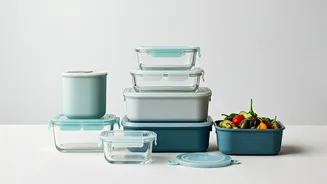
For food purity, glass is an excellent option. It is chemically inert, so there is no risk of chemicals leaching into your food. Glass containers are non-porous, meaning they won't stain or hold onto flavors from previous meals. They are also highly versatile, as most are safe to use in the microwave, oven, freezer, and dishwasher. This makes them perfect for those who like to pack leftovers and reheat them at work. The main disadvantages of glass are its weight and fragility. It can be heavy to carry around and poses a risk of breaking, which makes it a less practical option for young children's school bags.
Food-Grade Silicone: The Flexible Alternative
Food-grade silicone offers a lightweight and flexible alternative to rigid containers. It is generally considered a safer option than plastic, as it's free from BPA and phthalates and is heat-resistant. Silicone is often used for leak-proof lids on stainless steel and glass containers, but entire silicone bags and collapsible boxes are also popular for snacks and sandwiches. While it's a step up from plastic, the quality of silicone can vary. It's best to look for high-quality, platinum-cured silicone, which is more stable. While durable, it's not as indestructible as stainless steel and may not be the best choice for holding hot, heavy meals like curries.
What to Look For When Shopping
Choosing the right lunchbox involves more than just picking a material. If you opt for stainless steel, look for food-grade 18/8 or 304. For glass, tempered or borosilicate options are more durable. If plastic is unavoidable, choose types with resin codes #2, #4, or #5, as they are considered safer, and always avoid microwaving them. Check for features that fit your lifestyle, such as leak-proof seals, which are often made of safe silicone, and compartments for separating food. Finally, consider the user. A durable, easy-to-open stainless steel bento box might be perfect for a child, while an adult might prefer a microwave-safe glass container for office lunches.