




Decoding 'Metro Leftovers'
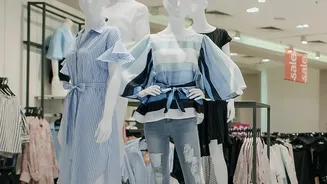
The term 'metro leftovers' points to a common retail practice where unsold inventory from major metropolitan stores is moved to smaller city markets for another chance at being sold. This merchandise, often called deadstock, consists of brand-new items
that simply didn't sell during their intended season due to overproduction or missed trend forecasts. It’s not about inferior quality, but about timing. Fast-fashion items in particular can become deadstock in as little as 45 days. While this gives access to brands, it often leaves shoppers feeling a season behind. The solution isn't to stop shopping, but to shop smarter by focusing on timeless quality over fleeting trends.
The Fabric and Feel Test
The first step in reading a garment is to trust your hands. High-quality pieces often feel different; they tend to be made from natural fibres like cotton, linen, silk, or wool. These materials are generally more breathable and have a pleasant weight that allows them to drape well. Don’t just look at the tag—feel the material. A denser, more opaque fabric usually indicates a higher thread count and better durability. Also, check for its reaction. Crush a corner of the fabric in your hand for a few seconds. If it emerges heavily wrinkled, it will likely do the same when you wear it. A quality fabric will resist excessive creasing.
Check the Stitching and Seams
The construction of a garment reveals everything about its longevity. Turn the item inside out and examine the seams. Are the stitches tight, straight, and consistent? A high stitch count (more stitches per inch) signals strength. Gently pull on either side of a seam; if you see gaps or pulling, it’s a sign of poor construction. Look for finished seams, where the raw edges are neatly tucked away or serged. This prevents fraying and shows that the manufacturer didn’t cut corners. Crooked seams or loose threads are immediate red flags indicating a rushed production process.
Examine the Details: Buttons and Zippers
Small details make a big difference. Check the buttonholes—they should be neatly stitched without any loose threads or fraying fabric. The buttons themselves should feel secure, not wobbly. Often, a high-quality garment will come with a spare button attached to an inside label. Zippers are another crucial indicator. A good-quality metal or sturdy plastic zipper should run smoothly without catching. Look for reputable zipper brands if visible. A flimsy, sticky zipper is not only frustrating but also a sign that the garment may not be built to last.
Prioritise Personal Style Over Trends
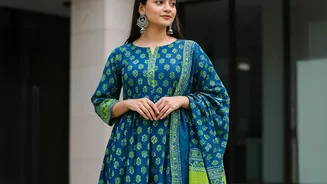
True style is about expressing your personality, not chasing every new trend. Trends are temporary by design, while personal style evolves with you. Before buying something, ask if it genuinely reflects who you are and fits your lifestyle. Shoppers in Tier-2 cities are already noted for excelling at 'mix and match' styling and outfit repeating, which is the core of sustainable, personal fashion. A timeless wardrobe built on versatile, high-quality pieces you love will always be more stylish than a closet full of fleeting 'must-haves'. Use trends for inspiration, but don't let them dictate your choices.
The Digital Advantage for Tier-2 Shoppers
The narrative of being limited to local stock is rapidly changing. E-commerce platforms have become a great equaliser, with over 60% of online transactions now coming from Tier-2 and Tier-3 cities. These cities are the new engines of e-commerce growth in India. In fact, nearly 45% of demand for international brands on platforms like Myntra now comes from non-metro areas. This digital access empowers you to move beyond what's physically available. You can compare quality, access a wider variety of brands, and make informed choices, effectively curating a wardrobe that’s no longer defined by geography but by personal taste.