




The Green Shift in City Living
A quiet revolution is taking root on balconies and terraces across urban India. City dwellers are increasingly trading fussy, exotic ornamental plants for the understated charm and resilience of native species. This move isn't just about aesthetics; it's
a practical and eco-conscious choice. As urban areas turn into concrete jungles, the appeal of creating a small, personal oasis has grown stronger. However, the fast-paced nature of city life leaves little room for the intensive care that many non-native plants require. The trend towards native gardening is a direct response to this challenge, offering a way to bring nature home without the constant need for watering, pesticides, and pruning. This shift also reflects a deeper connection to local heritage and a desire for sustainability, transforming small urban spaces into pockets of biodiversity.
Why Native Plants Are the Perfect Urban Companions
The logic behind choosing native plants is simple: they belong here. Having evolved over millennia to thrive in India's specific climates, soils, and rainfall patterns, they are naturally tough and self-sufficient. This intrinsic adaptation means they require significantly less water—a crucial benefit in a country facing increasing water scarcity. They are also better equipped to resist local pests and diseases, reducing the need for chemical pesticides and fertilisers. Beyond being low-maintenance, native plants are cornerstones of local ecosystems. They provide essential food and shelter for native birds, bees, butterflies, and other pollinators, turning even a small window box into a vital link in the urban ecological chain. By planting native species, gardeners actively support biodiversity and help restore natural habitats fragmented by urbanisation.
From 'Wild' to Wonderful: Dispelling the Myths
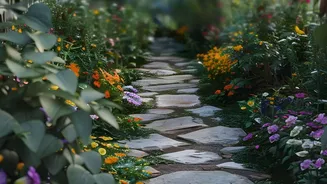
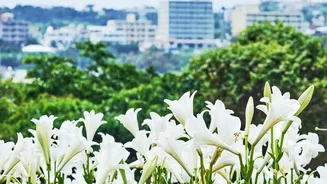
A common misconception is that native plants are plain, weedy, or not as visually stunning as their exotic counterparts. This couldn't be further from the truth. India's rich botanical heritage boasts a vast treasure trove of ornamental native plants, from vibrant flowering shrubs to elegant climbers and majestic trees. Species like the flame-like Palash, the golden showers of the Indian Laburnum, and the fragrant Mogra offer spectacular displays of colour and scent. Nurseries and collectives are now making it easier than ever to access a wide variety of these plants, challenging the old notion that gardens must be filled with foreign species to be beautiful. The real beauty of a native garden lies in its harmony with the environment—a dynamic, living landscape that changes with the seasons and buzzes with life.
Your First Native Garden: Getting Started
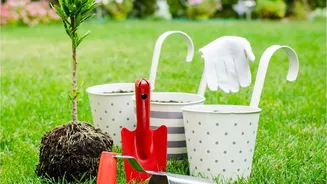
Starting a native garden is surprisingly straightforward. The first step is to observe your space. How much sunlight does your balcony or windowsill get? Is it windy? Choose plants that suit these specific conditions. Don't feel pressured to have a perfect potting mix; many native plants are adaptable and can thrive in standard garden soil. The key is good drainage. Ensure your pots have holes at the bottom to prevent waterlogging. Many state-run and private nurseries now specialise in native plants, and they can be a great source of both saplings and advice. Start small with just a few pots. The goal is to create a sustainable and enjoyable green space, not an overwhelming chore. As you gain confidence, you can gradually expand your collection.
Easy-to-Grow Native Plants for Urban Beginners
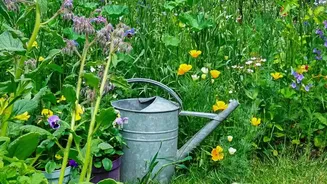
Ready to get your hands dirty? Here are a few resilient and beautiful native plants that are perfect for beginners: - Marigold (Genda): A cheerful and incredibly hardy flower, marigold thrives in the Indian sun and is known to deter pests. It grows quickly and flowers profusely, adding a bright splash of yellow and orange. - Sadabahar (Periwinkle): True to its name, which means 'always in bloom', this plant flowers almost all year round with very little maintenance. It's tough and handles dry conditions well. - Aparajita (Butterfly Pea): This beautiful climber produces striking blue flowers that are not only lovely to look at but are also used to make herbal teas. It's extremely easy to grow and loves the heat. - Tulsi (Holy Basil): A staple in many Indian households, Tulsi is revered for its cultural and medicinal properties. It's easy to grow in a pot, requires moderate sunlight, and its leaves can be used in teas and remedies. - Curry Leaf (Kadi Patta): Perfect for a sunny balcony, this plant provides fresh, aromatic leaves for your cooking. It is relatively low-maintenance and adds a lush, green look.