

As temperatures drop, the air gets drier, and our skin often pays the price. That familiar tightness, flakiness, and itchiness is a common winter woe. But relief can come from two simple sources: your water bottle and a humidifier.
Why Winter Is So Tough on Skin
The main culprit behind
winter skin dryness is a lack of humidity. Cold air simply cannot hold as much moisture as warm air. When you step outside, the dry air begins to pull moisture from the surface of your skin. Then you come inside, and the indoor heating, while cozy, makes the air even drier, further stripping your skin of its natural moisture. This process is known as transepidermal water loss (TEWL), and it accelerates in low-humidity environments. Over time, this constant moisture loss weakens your skin's protective barrier, leading to symptoms like flakiness, tightness, itching, and increased sensitivity. Conditions like eczema or psoriasis can also feel worse during these months.
Hydration From the Inside Out
It seems logical that drinking water would directly hydrate your skin, but the connection is more complex. When you drink water, it travels through your digestive system, into your bloodstream, and services all your internal organs before finally reaching the skin. While it's true that severe dehydration will make skin appear less supple, studies show that for those who are already adequately hydrated, drinking excess water has minimal additional effect on surface-level dryness. The real benefit of drinking water is supporting your skin's fundamental health. Proper hydration is essential for maintaining skin elasticity, supporting the function of structural proteins like collagen, and helping cells regenerate. Think of it as ensuring your skin has the internal resources it needs to function properly, even if it doesn't solve dryness on its own.
The Power of Your Environment
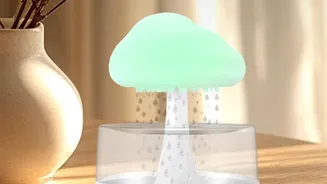
If drinking water is internal support, a humidifier is your external defence. These devices work by releasing water vapor or steam into the air, increasing the ambient humidity level. This is a direct way to counteract the drying effects of both cold outdoor air and indoor heating. By restoring moisture to your environment, you slow down the process of transepidermal water loss, allowing your skin to hold onto its natural hydration more effectively. Dermatologists often recommend maintaining an indoor humidity level between 40% and 60% for optimal skin health. This not only helps soothe existing dryness and irritation but can also improve the absorption and effectiveness of your topical skincare products like creams and serums.
Making a Humidifier Work for You
To get the most benefit, place a humidifier in the room where you spend the most time, which for many is the bedroom. Running it overnight allows your skin to rehydrate during its natural regenerative cycle. There are various types, including cool-mist and warm-mist models; cool-mist versions are often recommended for homes with children to avoid any risk of burns. It's crucial to clean your humidifier regularly according to the manufacturer's instructions to prevent the growth of mould or bacteria. Using distilled or demineralized water can also help reduce the buildup of mineral deposits inside the machine and in the air.
A Holistic Approach to Winter Skin
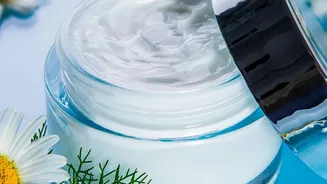
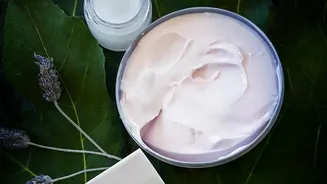
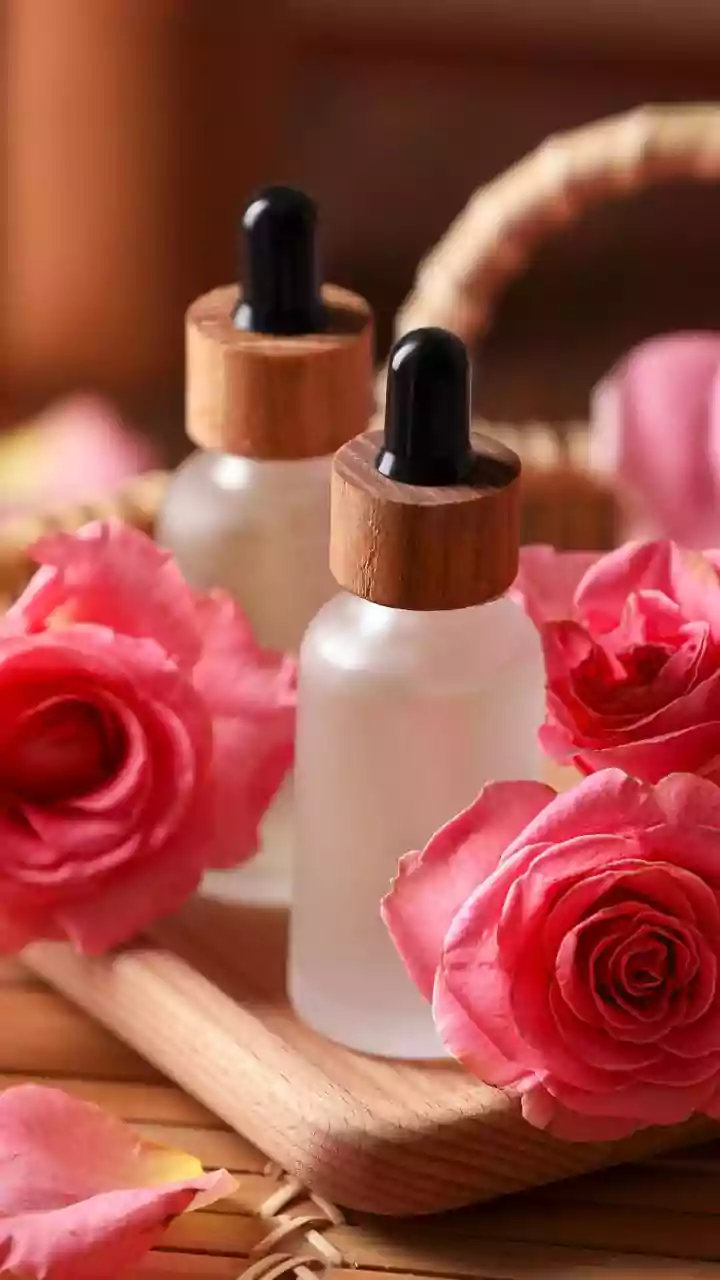
While water and humidifiers are powerful tools, they work best as part of a complete winter skincare strategy. Combine them with other dermatologist-recommended habits for the best results. Switch to a gentle, cream-based cleanser that won't strip your skin's oils. Apply a thick moisturiser immediately after showering or bathing to lock in moisture while your skin is still damp. Look for products containing ingredients like hyaluronic acid, glycerin, and ceramides. Finally, avoid long, hot showers, as the heat can break down your skin's lipid barrier and worsen dryness.