


The Secret Season: Why Late August and September Shine
While many travellers target the peak summer months of June and July, the late summer and early autumn period is when Ladakh truly enters its prime. From late August through September, the region, which sits in a rain shadow, benefits from the post-monsoon
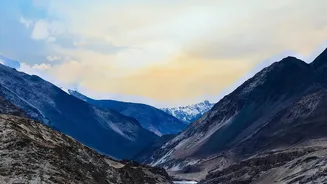
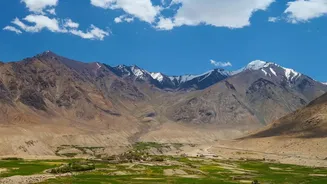
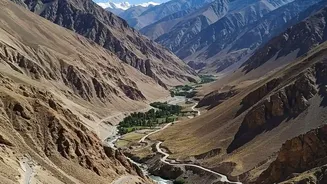
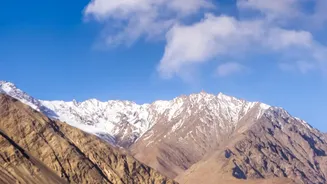
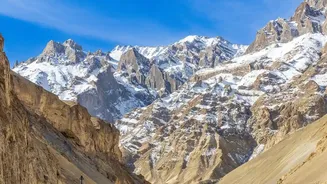
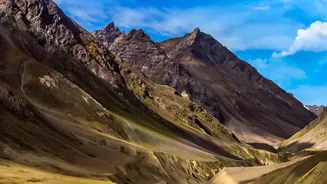
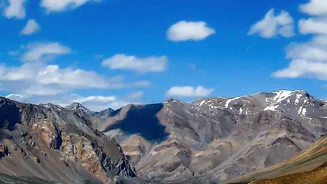
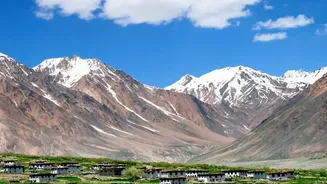
climate. This translates to brilliantly clear blue skies, minimal rain, and a landscape that is shockingly alive. The fleeting moisture from the preceding months encourages a brief greening of the valleys, creating a stunning contrast with the barren, ochre mountains. Daytime temperatures are comfortable, typically hovering between 15°C and 20°C, ideal for sightseeing and road trips. Nights grow colder, especially at higher altitudes, but the trade-off is some of the most spectacular stargazing imaginable, with the Milky Way often visible to the naked eye.
Open Roads and Unmatched Vistas
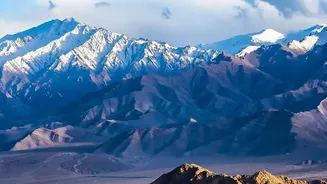
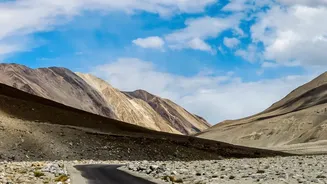
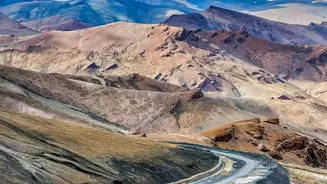
For road trip enthusiasts, this period is unparalleled. The main arteries into the region—the Manali-Leh and Srinagar-Leh highways—are reliably open and in their best condition after summer repairs. The risk of landslides, a concern during the peak monsoon in lower regions, subsides, making for a safer and more predictable journey. With the main tourist rush over, these legendary roads are far less crowded. This means more freedom to enjoy the drive, stop for photos without causing traffic jams on high passes like Khardung La, and soak in the majestic scenery of a landscape transitioning into autumn. The rivers turn a striking aqua-blue, and the poplar and willow trees in the valleys begin to display golden hues, making it a photographer's dream.
Unmissable Experiences Without the Crowds
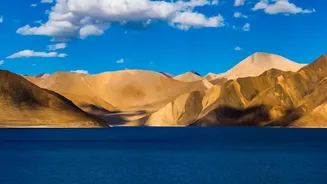
The thinner crowds of September transform the experience at Ladakh's most iconic sites. The serene banks of Pangong Tso, a lake of impossible blues, can be enjoyed in relative solitude. The sand dunes of the Nubra Valley, home to the double-humped Bactrian camels, feel more expansive and peaceful. This is also a fantastic time for cultural immersion. Major events like the Ladakh Festival often take place in September, filling Leh with traditional music, dance, and polo matches. Many monasteries, which can feel busy in peak season, offer a more contemplative and authentic experience. With fewer tourists, you have a better chance of interacting with locals and experiencing the warm Ladakhi hospitality without the hustle.
The Smart Traveller's Advantage: Why Booking Now Pays Off
The primary reason to consider bookings now is securing availability and better prices. While September is less crowded than July, it's a highly sought-after month for discerning travellers, photographers, and adventure bikers. Flights booked several weeks or months in advance are significantly cheaper than last-minute fares. The same logic applies to accommodation. The most desirable hotels, guesthouses, and lakeside camps at Pangong fill up quickly. Booking early ensures you get your preferred choice of stay, rather than settling for what's left. It also provides a major logistical advantage. With flights and accommodation sorted, you have ample time to arrange for Inner Line Permits, which are required for areas like Nubra Valley and Pangong Tso, and to book a reliable local taxi or tour operator for a smoother, more streamlined journey.
Your Essential Late-Summer Planning Checklist
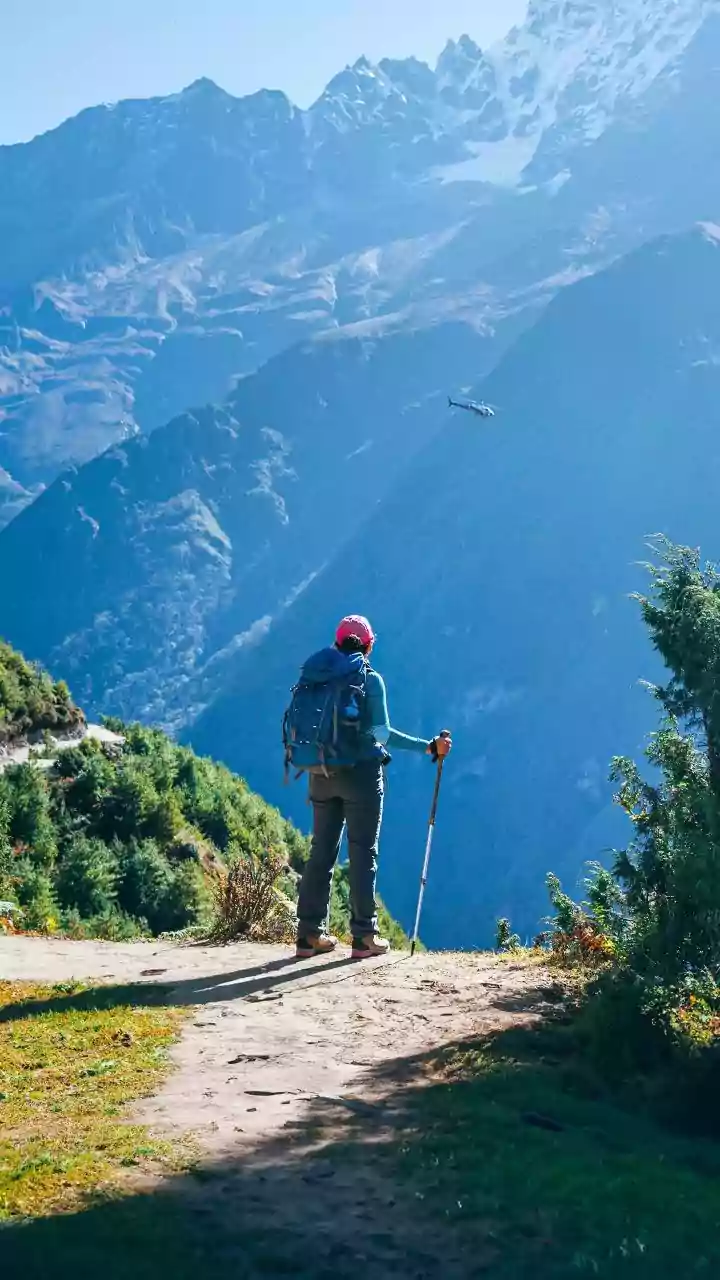
To make the most of this window, a little preparation goes a long way. First and foremost, respect the altitude. Plan to spend at least 48 hours acclimatising in Leh upon arrival before ascending to higher altitudes. Drink plenty of water and avoid strenuous activity for the first couple of days. When it comes to packing, layers are your best friend. You'll need light clothes for sunny afternoons and warm jackets, thermals, and a cap for the chilly evenings and nights. Good quality sunglasses and sunscreen are non-negotiable due to the intense UV radiation at high altitude. Finally, while digital payments are common in Leh, carry enough cash for more remote areas where connectivity can be unreliable.