





Beyond Just a Slippery Road
The most immediate change during a downpour is reduced friction, which significantly increases your vehicle's stopping distance. The first rains are often the most dangerous, as they mix with oil and dust on the road to create an exceptionally slick surface.
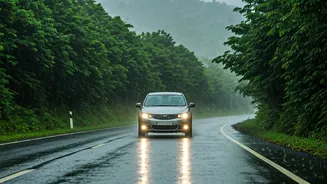
But the risks go beyond simple slipperiness. One of the greatest dangers is hydroplaning, which occurs when a layer of water builds up between your tyres and the road surface, causing a complete loss of traction. This can happen at speeds as low as 55 km/h if the water is deep enough and your tyres have insufficient tread. Visibility also drops dramatically, not just from the rain itself but also from the spray kicked up by other vehicles and the glare of headlights on the wet asphalt.
The Hidden Dangers of Waterlogging
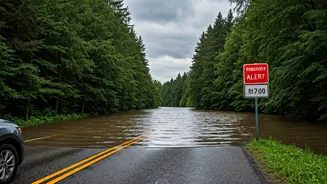
In many Indian cities, heavy rain quickly leads to waterlogged streets and flooded underpasses. A route that is perfectly clear in dry weather can become impassable within minutes. The primary rule when encountering standing water is simple: if you cannot see the road surface or judge the depth, do not attempt to drive through it. Puddles can conceal deep potholes or debris that can severely damage your car. Driving through deep water risks stalling your engine if water enters the air intake—a situation known as hydro-locking, which can cause catastrophic engine damage. If you must traverse a waterlogged patch, do so slowly and steadily in a low gear, keeping the engine revs up to prevent water from entering the exhaust pipe. However, the safest plan is always to find an alternative route.
Pre-Trip Planning and Checks
Effective route planning starts before you even turn the key. Check your vehicle thoroughly. Ensure your tyres have adequate tread depth—at least 3mm is recommended for monsoon conditions—and are properly inflated to give them the best chance of channelling water away. Test your brakes, as their performance is compromised on wet roads. Replace worn-out wiper blades to ensure clear visibility, and make sure all your lights (headlights, taillights, and indicators) are working perfectly so others can see you. Before heading out, check weather forecasts and use navigation apps to look at real-time traffic conditions. These tools can alert you to major jams or reported road closures, though they may not always have up-to-the-minute information on localised waterlogging.
Smarter Driving, Safer Journey
Once on the road, your planning must translate into defensive driving. Reduce your speed significantly and double the following distance you would normally keep in dry conditions. This gives you more time to react and brake safely. Avoid sudden acceleration, hard braking, and sharp turns, as these manoeuvres can easily lead to a skid on a wet surface. Turn on your low-beam headlights, even during the day, to improve your visibility to others. Be especially considerate of two-wheelers and pedestrians, who are more vulnerable and harder to spot in the rain. If visibility becomes dangerously low during a heavy downpour, the best plan is to pull over to a safe, elevated location off the main road and wait for the intensity to subside.