



Why Your Gut Microbiome Matters
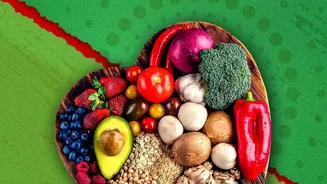
Think of your gut as a bustling city populated by trillions of microorganisms, including bacteria, fungi, and viruses. This community is known as your gut microbiome. A healthy and diverse microbiome is crucial for more than just digestion; it plays a vital
role in your immune system, mood, and overall well-being. These tiny residents help break down food, produce essential vitamins, and protect you from harmful pathogens. When the balance of 'good' and 'bad' bacteria is disrupted, it can lead to issues like bloating, inflammation, and other digestive troubles. The food you eat is the primary fuel for this internal ecosystem, making your dietary choices incredibly powerful.
The Problem with Polished White Rice
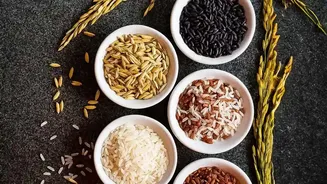
For many of us, a meal isn't complete without a serving of white rice. It’s comforting and cooks quickly, but it’s not the best friend to your gut. White rice is a refined grain, meaning its outer bran and germ layers have been stripped away during processing. This process removes most of its dietary fibre, vitamins, and minerals. What's left is mostly starch, which digests quickly and causes a rapid spike in blood sugar levels. With as little as 0.2g of fibre per 100g, white rice offers very little to feed the beneficial bacteria in your gut, essentially starving the good microbes you want to nurture.
The Foxtail Millet (Kangni) Advantage
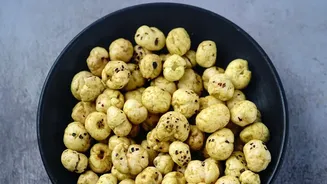
Enter foxtail millet, known in India as Kangni or Thinai. This tiny grain is a nutritional powerhouse and a fantastic ally for your gut. Unlike white rice, it is packed with dietary fibre, containing up to 25 times more than its polished counterpart. This fibre acts as a prebiotic, which is food for your beneficial gut bacteria. A healthy population of these bacteria can improve digestion and nutrient absorption. Studies have shown that foxtail millet can help increase the levels of beneficial bacteria like Lactobacillus and Bifidobacterium. Furthermore, it has a low glycemic index, meaning it releases sugar into the bloodstream slowly, providing sustained energy without the crash. It is also naturally gluten-free and a good source of minerals like iron and magnesium.
The Sorghum (Jowar) Solution
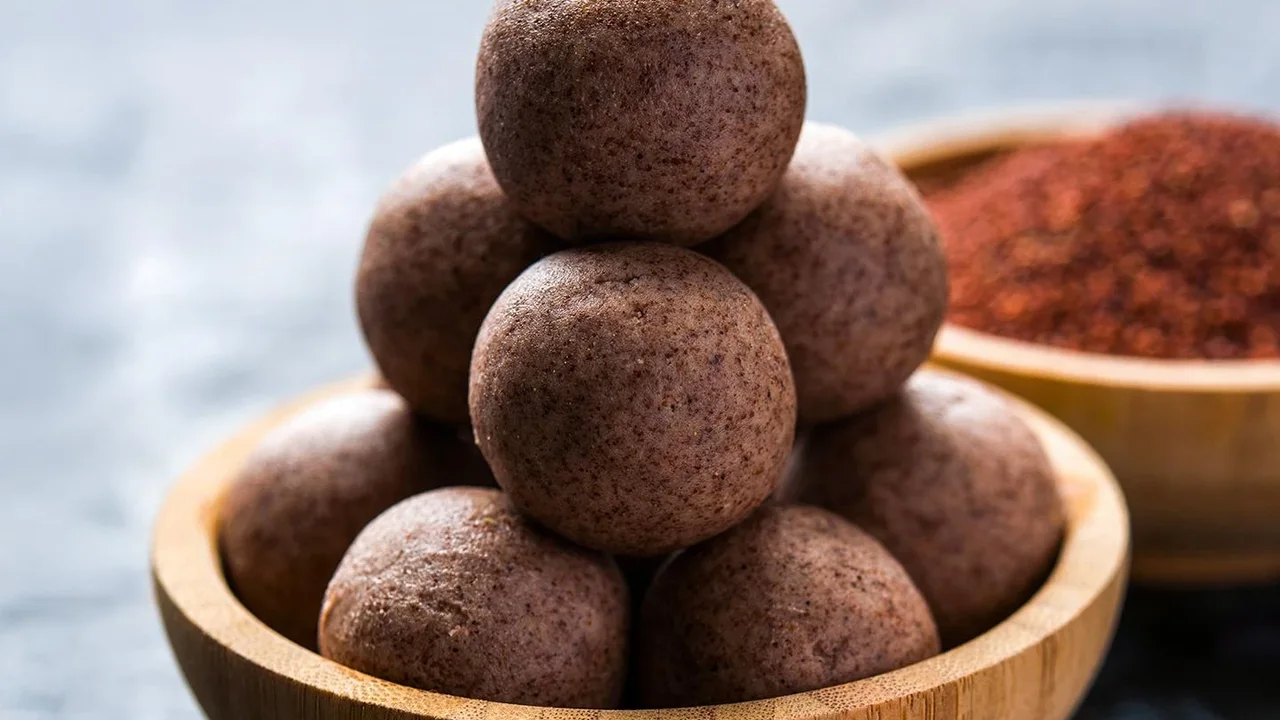
Sorghum, or Jowar, is another ancient grain that deserves a spot on your plate. It's renowned for its rich content of dietary fibre, resistant starch, and beneficial plant compounds called polyphenols. Resistant starch, similar to fibre, resists digestion in the small intestine and travels to the colon, where it ferments and feeds good bacteria. This process increases the production of short-chain fatty acids like butyrate, which helps reduce inflammation and strengthen the gut lining. Sorghum's polyphenols, especially in coloured varieties, have antioxidant properties that can suppress harmful bacteria while encouraging beneficial ones. Like foxtail millet, sorghum is gluten-free and provides a steady release of energy, making it an excellent choice for managing blood sugar levels.
Making the Switch: Practical Tips
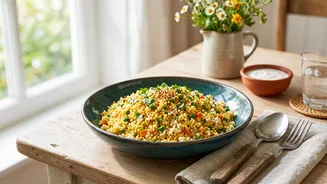
Adopting millets doesn't mean you have to completely abandon your favourite meals. The key is to start gradually. Begin by replacing a portion of the rice in your dishes with foxtail millet or sorghum. You can try a 50/50 mix in your daily dal-rice or khichdi. Both millets can be cooked similarly to rice, though they often benefit from being soaked for a few hours to soften them and improve digestibility. You can use foxtail millet as a base for upma or pulao. Sorghum flour can be used to make rotis, and whole sorghum can be cooked like rice and added to salads or soups for extra texture and nutrition. Experiment with different recipes to discover how versatile and delicious these ancient grains can be.