







The Rise of Product Overload
For years, the beauty industry has championed the 'more is more' philosophy. Influencers showcased intricate 10-step routines, and brands launched a dizzying array of single-ingredient serums, essences, and exfoliants. We were told that layering multiple
products was the key to achieving flawless, glass-like skin. This led many of us to become amateur chemists in our own bathrooms, mixing and matching active ingredients like Vitamin C, retinol, AHAs, and BHAs. While using these ingredients can be beneficial, applying too many at once or in the wrong combination can overwhelm the skin, leading to irritation, redness, and breakouts—the very issues we were trying to solve.
Enter: 'Skinimalism'
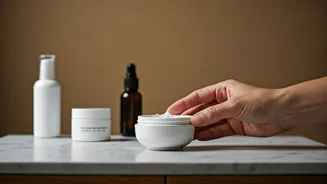
‘Skinimalism’ is the antidote to this product fatigue. It's a 'less is more' approach that champions a simplified, consistent skincare routine. This doesn’t mean neglecting your skin; rather, it’s about being intentional. The focus shifts from quantity to quality, using a few multi-tasking, effective products that support your skin's natural functions instead of overwhelming them. Dermatologists are increasingly advocating for this approach, noting that a complicated routine is not only expensive and time-consuming but can also be counterproductive. The goal of skinimalism is to restore balance, strengthen the skin’s protective barrier, and ultimately achieve healthier skin with fewer steps.
Why Your Skin Barrier Matters
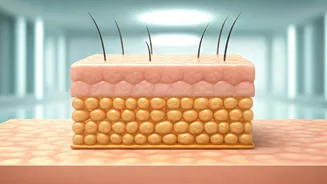
To understand why skinimalism works, it’s crucial to understand the skin barrier. Think of it as your skin’s frontline defence system. This outermost layer, known as the stratum corneum, is responsible for keeping moisture in and harmful irritants, allergens, and bacteria out. When we over-cleanse, over-exfoliate, or use too many harsh active ingredients, we can compromise this delicate barrier. A damaged barrier leads to increased water loss, making skin feel dry, tight, and sensitive. It also becomes more susceptible to inflammation, which can manifest as redness, itching, acne, and conditions like eczema or rosacea. A simplified routine gives this barrier time to repair and function optimally.
How to Build a Minimalist Routine
Adopting a minimalist routine is straightforward. Experts recommend focusing on three core pillars: cleansing, moisturising, and protecting. 1. **Cleanse:** Start with a gentle, pH-balanced cleanser that cleans your skin without stripping it of its natural oils. Use it once or twice a day. 2. **Moisturise:** Apply a moisturiser suited to your skin type (e.g., a lightweight lotion for oily skin or a richer cream for dry skin). This helps to hydrate and support the skin barrier. 3. **Protect:** In the morning, sunscreen is non-negotiable. Use a broad-spectrum sunscreen with at least SPF 30 every single day, even when it's cloudy. This is the single most effective product for preventing premature ageing and skin cancer. Once you have this base, you can consider adding *one* targeted treatment, like a Vitamin C serum in the morning or a retinoid at night, if you have a specific concern you want to address. The key is to introduce new products one at a time to see how your skin reacts.
Who Should Be Cautious?
While skinimalism is beneficial for most people, especially those with sensitive or irritated skin, it's not a universal solution. If you are under the care of a dermatologist for a specific condition like severe acne, rosacea, psoriasis, or eczema, you should not abandon your prescribed treatment plan. These conditions often require a more complex, medically supervised regimen involving several products to manage symptoms effectively. In these cases, simplifying without professional guidance could worsen the condition. Always follow your doctor's advice. If you're unsure, a consultation with a dermatologist can help you create a routine that is both effective and appropriate for your unique skin needs.