





The Real Secret to Muscle Growth
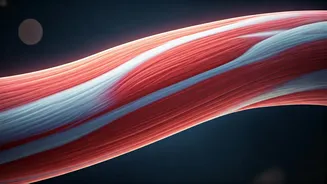
It might sound counterintuitive, but muscle growth doesn't happen while you're lifting weights; it happens when you rest. [6] Intense exercise, particularly strength training, creates microscopic tears in your muscle fibres. [2, 3, 10] This is a good
thing—it signals your body to start the repair process. During rest, specialised cells called fibroblasts get to work, repairing these tears. [1, 14] This healing process, known as muscle protein synthesis, doesn't just patch up the muscle; it rebuilds it to be stronger and more resilient than before, leading to an increase in muscle size and strength. [3, 6] Without adequate rest, you rob your body of the crucial time it needs for this repair cycle, which can stall your progress and inhibit gains. [1, 4]
Beyond Muscles: Your Brain and Hormones on Rest
Rest isn't just for your muscles; it's vital for your nervous system and hormonal balance too. [24] Intense training elevates cortisol, the body's primary stress hormone. [4] Chronically high cortisol levels can hinder muscle growth, promote fat storage, and disrupt sleep. [4, 24] Rest days allow cortisol to return to normal levels. [14] Simultaneously, rest, especially deep sleep, is when your body ramps up production of crucial anabolic (muscle-building) hormones like Human Growth Hormone (HGH) and testosterone. [3, 11, 16] These hormones are essential for tissue repair and cellular regeneration. [1, 3] A lack of sleep can significantly reduce these hormone levels, tipping your body into a catabolic (muscle-breakdown) state. [4, 11] Rest also gives your brain a much-needed break, improving focus, reducing mental fatigue, and boosting motivation for your next session. [2, 10, 25]
The Dangers of 'No Days Off'
Pushing your body too hard without sufficient recovery can lead to Overtraining Syndrome (OTS), a condition that can derail your fitness journey. [8, 15] The hallmark sign of OTS is a persistent decline in performance despite continued training. [8, 18, 20] Other symptoms include chronic fatigue, unusual muscle soreness that doesn't go away, and a feeling of 'heavy' legs. [17, 18] It can also weaken your immune system, making you more susceptible to frequent colds and infections. [8, 20] Mentally, OTS can manifest as irritability, mood swings, a loss of motivation for exercise, and poor-quality sleep or insomnia. [8, 17] Ignoring these warning signs not only hurts your performance but significantly increases your risk for overuse injuries like stress fractures and tendonitis. [2, 18]
How to Rest the Right Way
Rest doesn't always mean complete inactivity. There are two main types of recovery: passive and active. Passive recovery is total rest, like getting a full night's sleep or simply relaxing. [3, 12] This is essential for deep tissue repair and hormonal regulation. [6, 9] Active recovery, on the other hand, involves low-intensity activities like gentle yoga, swimming, stretching, or going for a leisurely walk. [2, 5, 7] This type of recovery can be more beneficial than sitting still, as it increases blood flow to the muscles, which helps deliver nutrients and clear out metabolic waste products like lactate. [3, 7, 13] This can help reduce muscle soreness and stiffness. [7, 13] The best strategy is to incorporate both. Listen to your body: on days you feel completely drained, opt for passive rest. If you're just a little sore, a gentle active recovery session might be exactly what you need. [3]