


Beyond the Bottle
More and more home cooks are skipping store-bought condiments in favour of homemade versions. The benefits are clear: you control the ingredients, avoiding the high levels of sugar, salt, and preservatives often found in commercial products. Making your
own allows for complete creative control, letting you tailor flavours to your exact liking. This shift towards healthier, more flavourful options has opened the door for experimentation, and seasonal fruits are stepping into the spotlight. Using fruit adds a natural sweetness and complexity that is difficult to replicate, providing a fresh, vibrant alternative to processed sugars and artificial flavours.
The Savoury Side of Mango
In India, using fruit in savoury dishes is a time-honoured tradition, and no fruit is more versatile than the mango. While ripe mangoes are a sweet delight, it is the tart, acidic punch of raw mango, or 'kairi', that makes it a kitchen staple. It is the souring agent in dals, the hero of countless pickles, and the base for fiery chutneys. But the sweet, ripe mango also has a place. Blended with red onion, jalapeño, fresh coriander, and a squeeze of lime, it becomes a vibrant mango salsa that pairs beautifully with grilled fish, chicken, or simply as a scoopable dip. This blend of sweet and spicy is a perfect example of how fruit can balance and elevate a dish.
Jamun's Earthy Elegance
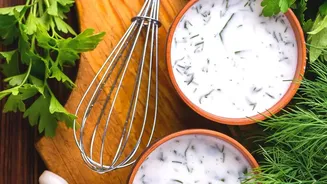
Jamun, or black plum, with its unique astringent and slightly sweet taste, offers a different kind of magic. Its deep purple hue creates visually stunning dishes. While often enjoyed on its own, jamun makes for a fantastic raita, offering a refreshing twist on the classic yogurt dip. Simply mix deseeded, chopped jamun with yogurt, a pinch of salt, and perhaps some roasted cumin powder for a simple, elegant side dish. For a more modern take, a jamun vinaigrette can transform a simple salad. Blending jamun pulp with olive oil, a touch of vinegar, and seasoning creates a dressing that is both fruity and earthy.
The Sophistication of Fig and Pomegranate
Figs and pomegranates bring a touch of gourmet sophistication to homemade condiments. A savoury fig jam, often cooked with onions and a splash of balsamic vinegar, is a classic pairing for cheese boards and sandwiches. It delivers a rich, sweet, and savoury flavour that is deeply satisfying. Pomegranate molasses, a staple in Middle Eastern cuisine, is a syrup made from boiled-down pomegranate juice. Its sweet-and-sour profile is incredibly versatile. Whisk it into a simple vinaigrette for a salad dressing, use it as a glaze for roasted meats and vegetables, or drizzle it over dips like hummus and baba ghanoush for a tangy kick.
Getting Started at Home
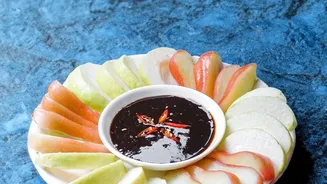
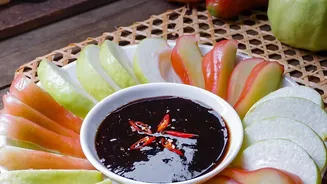
The easiest way to start is with a jam jar vinaigrette. Use the last couple of tablespoons of any fruit jam or preserve in the jar, add one part vinegar to three parts olive oil, season with salt and pepper, and perhaps a touch of mustard. Shake vigorously until it emulsifies into a creamy dressing. When creating your own concoctions, think about balance. If the fruit is very sweet, like a ripe peach or strawberry, you will need a good amount of acidity from vinegar or lime juice. If the fruit is tart, like raw mango or starfruit, you might balance it with a touch of honey or sugar. Don't be afraid to add spices, herbs, and a little heat from chillies to create a truly unique condiment.