



The Foundation: Cooking Perfect Basmati
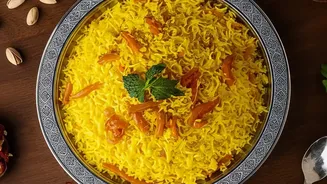
The secret to a great plate of dal and rice begins with the rice itself. The goal is fluffy, fragrant, and separate grains that provide the perfect canvas. While methods vary, the absorption method is a reliable choice for home cooks. Start by rinsing
one cup of aged basmati rice under cold water until the water runs mostly clear; this removes excess starch that causes gumminess. For every cup of rice, use 1.5 cups of water. Bring the rice and water to a simmer in a saucepan without a lid. Once the entire surface is bubbling, cover it with a tight-fitting lid, reduce the heat to the absolute lowest setting, and cook for 12-15 minutes. Crucially, do not lift the lid during this time. After cooking, turn off the heat and let the rice rest, still covered, for at least 5-10 minutes. This final step allows the grains to firm up and separate. Finally, fluff gently with a fork, never a spoon, to avoid breaking the delicate grains.
A Universe of Dal
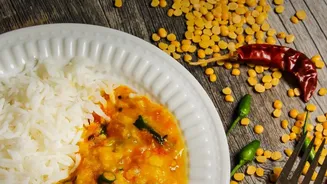
‘Dal’ refers to both the split pulse and the finished stew, and the variety is immense. Understanding the main types is key to a great pairing. Toor Dal (or Arhar Dal) is the most common everyday dal, cooking into a soft, creamy consistency that’s perfect for dishes like Sambar or a simple dal tadka. Moong Dal (split green gram) is lighter and quicker to cook, known for being easy to digest, making it ideal for khichdi or a light soup. Masoor Dal (red lentils) cooks very quickly into a smooth purée with an earthy flavour, perfect for weeknight meals. Chana Dal (split Bengal gram) is firmer, holding its shape even after cooking and offering a nutty bite that works well in thicker, more robust dishes. Finally, Urad Dal (black gram) is hearty and has a unique, slightly sticky texture when cooked, forming the base of the famously rich Dal Makhani.
The Art of Pairing
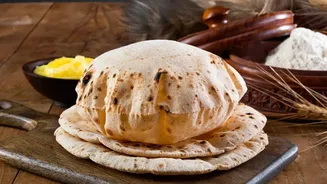
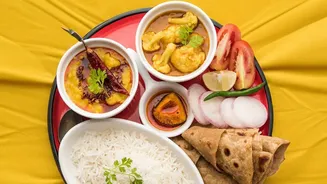
The best dal and rice pairings create a balanced and satisfying meal through contrast. A light, soupy dal like a simple masoor or moong dal works beautifully with plain, steamed basmati rice, allowing the dal's delicate flavours to shine. For a more fragrant rice preparation, such as Jeera Rice (rice tempered with cumin seeds), a classic Dal Tadka made with toor dal is a perfect match. The toasted aroma of the cumin in the rice complements the tempered spices of the dal. For richer, heavier dals, simpler rice is often better. The iconic Rajma Chawal, a comforting dish from North India, pairs kidney beans in a thick, spiced gravy with plain steamed basmati. Similarly, the creamy and indulgent Dal Makhani, slow-cooked with black lentils and butter, is best served with plain rice or a simple naan to soak up the luxurious gravy. The principle is to balance complexity: if one component is rich and complex, the other should be simple.
Classic Dal Preparations to Try
Two recipes form the bedrock of dal cooking in many Indian homes. Dal Tadka is a popular dish where cooked lentils, usually toor dal, are first prepared with onions, tomatoes, and basic spices like turmeric. The magic happens at the end with the 'tadka' or tempering: spices like cumin seeds, minced garlic, and dried red chillies are fried in hot ghee or oil and poured over the finished dal, creating a final burst of flavour and aroma. Dal Makhani is a more decadent affair originating from Punjab. It’s made with whole black urad dal and rajma (kidney beans) that are soaked overnight and then slow-cooked for hours until they are meltingly tender. The dal is enriched with a generous amount of butter and cream, along with a tomato-based masala, resulting in an exceptionally creamy and flavourful dish.
Completing the Meal
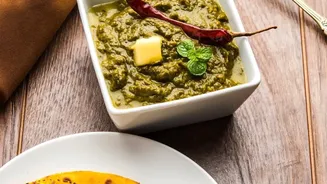
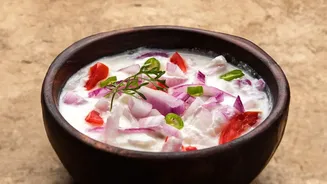
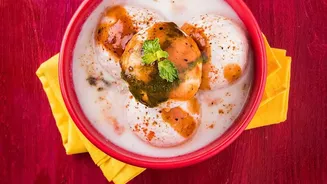
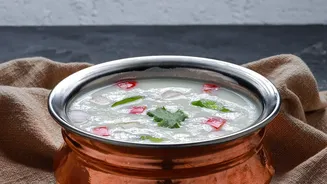
While dal and rice are a complete meal on their own, a few simple accompaniments can elevate the experience by adding texture and contrasting flavours. A simple side salad, often called 'kachumber', made of finely chopped cucumber, onion, and tomato with a squeeze of lemon juice, adds a fresh, crunchy element. A spoonful of plain yoghurt or a bowl of raita (yoghurt mixed with ingredients like cucumber or boondi) provides a cooling contrast to the spices. Achar (Indian pickle) adds a sharp, tangy, and spicy kick. Finally, a crisp papad, either roasted or fried, offers a satisfying crunch that rounds out the meal perfectly. You can also include a simple dry vegetable dish, or 'sabzi', for added nutrition and variety.