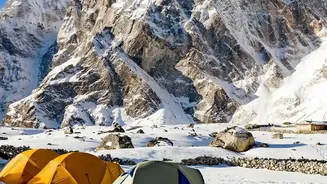



The First Step: Pre-Trek Verification
Before you book flights or pack your bags, the most critical step for any winter trek is verifying access. Unlike summer trails, winter routes are subject to abrupt closures due to heavy snowfall, local administrative decisions, or changing weather patterns.
Always confirm the current status with multiple sources. Check with registered, reputable trek operators who have teams on the ground. It is also wise to look for recent updates from Uttarakhand or Himachal Pradesh tourism authorities. Official social media pages and websites often post advisories. Remember, an advertised trek date is not a guarantee that the trail is open; final clearance often comes just before the season begins.
Kedarkantha: The Quintessential Winter Summit
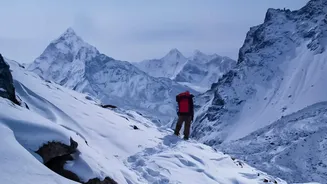
Often called the 'Queen of Winter Treks', Kedarkantha in Uttarakhand is one of India's most popular choices for beginners who want a true snow and summit experience. The trek, typically a 5-6 day journey starting from Sankri village, leads you through enchanting pine forests to a peak at around 12,500 feet. From the top, you are rewarded with a 360-degree panorama of Himalayan giants like the Swargarohini and Bandarpoonch ranges. For the 2026-27 season, expect this trail to be open from December to March, which is its peak snow period. However, access to the base camp at Sankri can be affected by road blockages after heavy snowfall. Always check with your operator about road conditions and have a buffer day in your itinerary. A forest entry permit is mandatory, which is typically arranged by your trekking agency.
Brahmatal: Frozen Lakes and Majestic Views
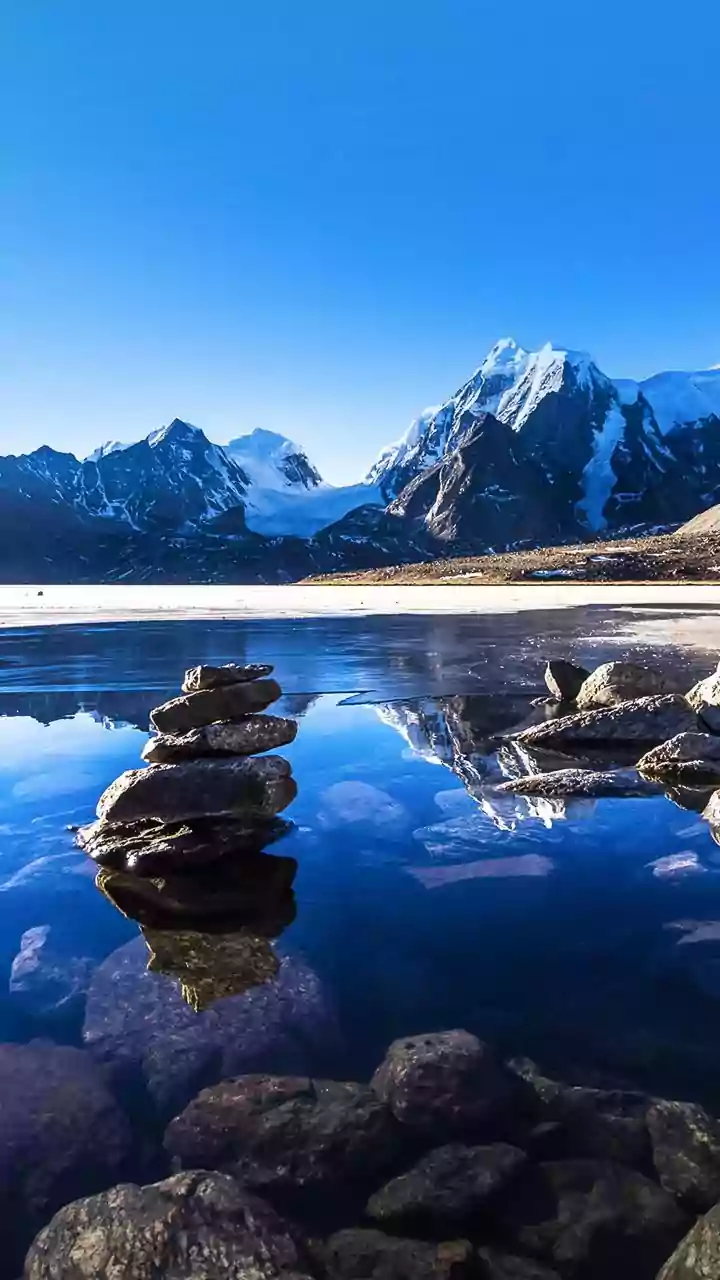
Another Uttarakhand gem, the Brahmatal trek is famed for its stunning views of Mt. Trishul and Mt. Nanda Ghunti, and for its two frozen high-altitude lakes, Bekaltal and Brahmatal. The trek usually begins from Lohajung and spans about 6 days. One of its major advantages is that it remains accessible during peak winter months like January and February when many other high-altitude treks are closed. The season generally runs from December to March. To access this trail, you will need a forest permit from the local authorities in Lohajung. While reliable operators include this in their packages, it's a key detail to confirm. The route is considered easy-to-moderate, making it suitable for fit beginners.
Dayara Bugyal: Vast Meadows of Snow
If your dream winter trek involves walking across vast, rolling meadows blanketed in pristine snow, Dayara Bugyal is an excellent choice. Located in Uttarakhand's Uttarkashi district, this easy-to-moderate trek is perfect for families and first-timers. The trek usually takes 4-5 days, starting from the villages of Barsu or Raithal. The winter season here typically runs from December to March, with January and February seeing the deepest snow. While the trek is accessible for much of the winter, entry is controlled by the forest department. Permits are mandatory and it's essential to check with local guides or your operator if any access restrictions are in place due to extreme weather. The trail can become icy, so using microspikes is often necessary for a safe experience.
Chadar Trek: The Frozen River Expedition
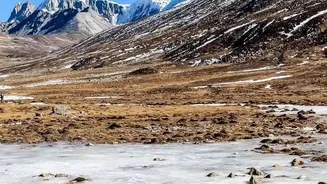
The Chadar Trek in Ladakh is in a league of its own, involving walking on the frozen Zanskar River. This is not a typical mountain trek and is considerably more demanding and regulated. The season is short, usually limited to January and February, and its opening is entirely dependent on the river freezing to a safe thickness. In recent years, including 2026, the trek was suspended due to unsafe ice formation, partly attributed to warmer winters. For 2027, the trek's status will only be confirmed by the Ladakh administration close to the season after a physical inspection of the ice. Independent trekking is forbidden; you must go through a registered local operator. All trekkers must undergo mandatory acclimatisation in Leh for several days and pass a medical check-up before being allowed to proceed.