








The Backlash Against Burnout
For years, the modern workplace has glorified the hustle. Long hours and an 'always-on' digital culture have left many professionals across India feeling drained. This widespread burnout is a primary driver behind the shift in travel priorities. People
aren't just seeking a break from the office; they're seeking recovery from a state of chronic mental and physical exhaustion. Spontaneous getaways and 'rage booking' — impulsively scheduling a trip in response to high stress — are becoming common coping mechanisms. Travel is evolving from a luxury to a necessary tool for managing mental wellbeing, offering a rare chance to disconnect from the pressures that fuel burnout.
From Sightseeing to 'Sleep-cations'
The new travel currency isn't about how many landmarks you can photograph, but how deeply you can rest. Enter 'sleep tourism', a trend where the entire trip is designed around recovery. Instead of early alarms and tight schedules, these vacations prioritise quiet, tech-free environments, and activities that promote relaxation. This reflects a larger cultural shift where rest is viewed not as laziness, but as an essential component of a healthy lifestyle. The ultimate luxury is no longer an opulent suite, but the rare opportunity to truly switch off and allow the body and mind to heal.
India's Wellness Boom
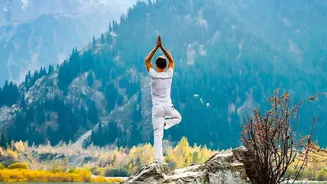
India is uniquely positioned to cater to this growing demand for restorative travel. With ancient traditions like Ayurveda, yoga, and meditation, the country has a rich heritage of holistic health. This is fueling a boom in wellness tourism, which is expected to grow into a multi-billion dollar market. Luxury retreats and hotels are increasingly designing experiences around wellness, moving beyond the spa to offer everything from mindful dining to digital detox programs. Properties like Ananda in the Himalayas and Six Senses Vana are shaping this trend, offering curated programs that focus on genuine recovery. This blend of ancient wisdom and modern hospitality makes India a global hub for travellers seeking authentic healing.
The Rise of Slow Travel and Digital Detox
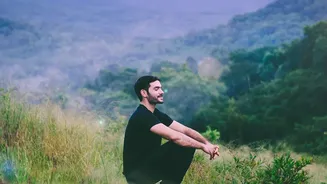
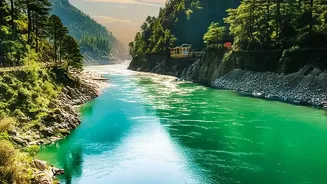
Restorative travel isn't just about organised wellness retreats. It's also about a change in pace. 'Slow travel' encourages travellers to immerse themselves in a single location rather than rushing through a checklist. This could mean spending a week on a quiet beach in Gokarna, exploring the backroads of Kerala on a cycle, or finding solitude in the mountains of Himachal Pradesh. A key component of this is the 'digital detox'. By intentionally disconnecting from screens, travellers create space for mental clarity and meaningful connection with their surroundings. In a world of constant notifications, being unreachable has become a sought-after experience.
The Science of Doing Nothing
The instinct to seek rest is backed by science. Allowing the mind and body unstructured time has proven health benefits, including reducing stress hormones like cortisol, improving sleep quality, and boosting the immune system. When the brain isn't occupied with a busy itinerary or constant digital stimuli, it has the space to process thoughts, leading to greater mental clarity and creativity. This state of rest helps regulate the nervous system, which is crucial for recovering from burnout. A 'do-nothing' vacation isn't an indulgence; it's a science-backed investment in your long-term health and productivity.