

The Sun’s 11-Year Rhyhm
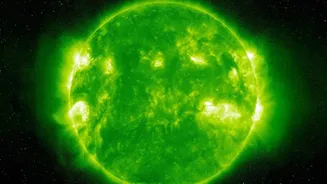
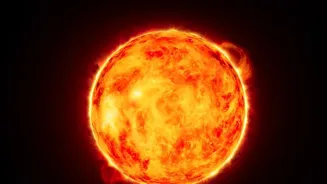
The Sun has a heartbeat, a natural rhythm that pulses roughly every 11 years. This is known as the solar cycle. It swings between two extremes: solar minimum and solar maximum. During a solar minimum, the Sun is relatively quiet, with very few sunspots
and a lower chance of major solar events. Conversely, the solar maximum is the peak of this cycle, a period of intense activity characterized by a high number of sunspots and more frequent, powerful solar eruptions. Every 11 years or so, the Sun's magnetic field essentially flips, with its north and south poles swapping places. It is during this tumultuous process that activity ramps up to the maximum. The current cycle, known as Solar Cycle 25, began in December 2019 and reached its peak activity in late 2024. While the peak has passed, periods of high activity can still persist.
Sunspots: More Than Just Dark Patches
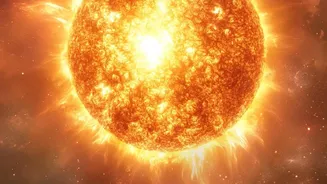
Sunspots are the most visible sign of the Sun's activity. These dark, cooler areas on the Sun's surface are not just blemishes; they are the epicenters of intense magnetic turmoil. Caused by powerful magnetic fields twisting up from the Sun's interior and breaking through the surface, these spots are where solar eruptions are born. The tangled magnetic field lines near sunspots can suddenly snap and reconnect, unleashing tremendous amounts of energy in what are known as solar flares. These flares are powerful bursts of radiation. Often accompanying flares are coronal mass ejections (CMEs), which are gigantic explosions of plasma and magnetic fields that are hurled out into space at incredible speeds. During a solar maximum, the abundance of sunspots means a much higher probability of these Earth-directed flares and CMEs.
A Direct Threat to Space Systems
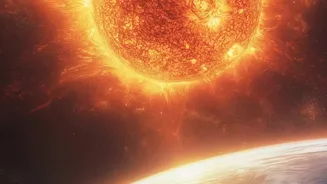
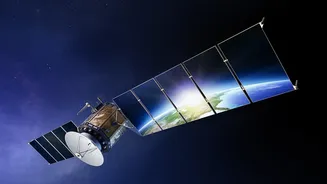
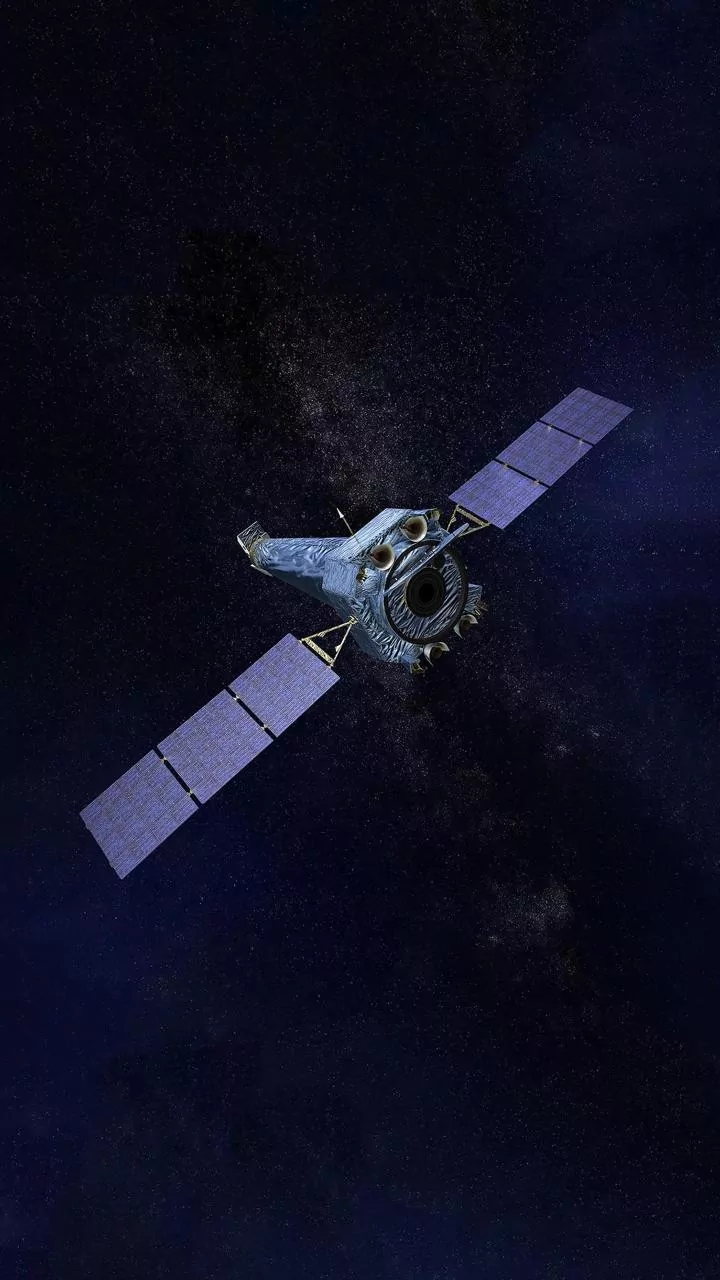
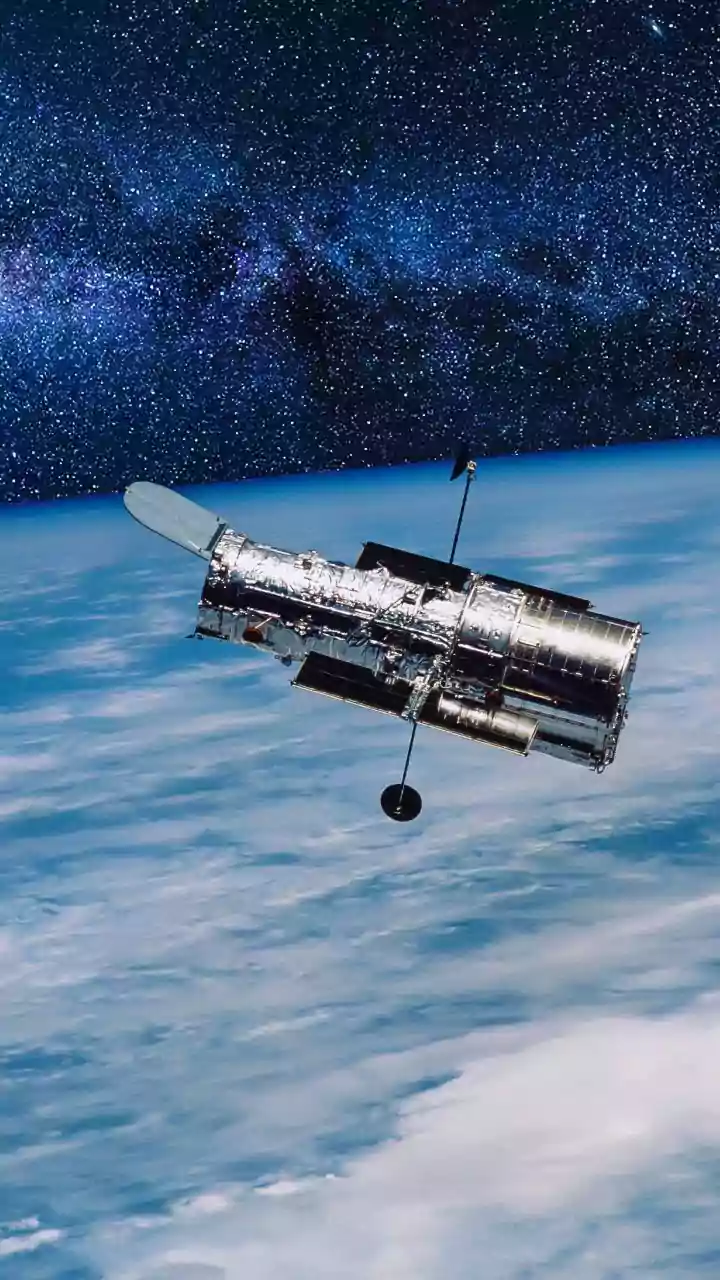
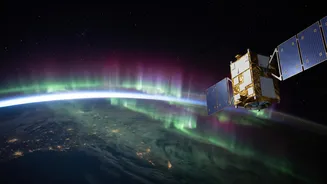
When a powerful solar storm, packed with charged particles and radiation from a CME, hits Earth, it can wreak havoc on our space-based infrastructure. Satellites are on the front line. The incoming energy can heat the Earth's upper atmosphere, causing it to expand. This increases the atmospheric drag on satellites in low-Earth orbit, slowing them down and potentially causing them to fall out of orbit sooner than planned. The high-energy particles themselves can damage sensitive satellite electronics, disrupt their operations, or cause complete failure. Furthermore, these solar storms can severely interfere with the radio signals that travel between satellites and the ground. This disrupts crucial services like the Global Positioning System (GPS), leading to inaccurate navigation for everything from aviation and shipping to ride-sharing apps and precision agriculture.
Ripple Effects on the Ground
The impact of a major solar storm is not confined to space. The powerful magnetic fluctuations can induce powerful electrical currents in long terrestrial conductors, such as power lines and pipelines. These geomagnetically induced currents can overload power grids, causing damage to transformers and leading to widespread blackouts. One of the most famous examples is the 1989 storm that knocked out power across Quebec. High-frequency radio communications, used by airlines and emergency services, can also be blacked out. In response to strong space weather events, airlines sometimes have to reroute flights away from polar regions, where the exposure to solar radiation is higher, which can lead to longer flight times and increased fuel costs. Even astronauts in space face increased radiation risks during these periods.
Monitoring, Mitigation, and Preparedness
Fortunately, we are not flying blind. Agencies like the National Oceanic and Atmospheric Administration's (NOAA) Space Weather Prediction Center (SWPC) constantly monitor the Sun. Using a fleet of ground-based and space-based observatories, they act as our solar storm forecasters, issuing warnings that give satellite operators, power grid managers, and airlines time to prepare. These preparations can include putting satellites into a protective 'safe mode' to shield their electronics or taking sensitive grid components offline to prevent damage. Modern satellites are also built with increased shielding and more resilient electronics, a process known as 'radiation hardening'. As our reliance on global space systems grows, the need for accurate space weather forecasting and robust infrastructure becomes ever more critical to navigating the Sun's powerful cycles.