




The Myth's Green Roots
The popular belief that houseplants are natural air purifiers originates from a well-known NASA study from 1989. This research aimed to find ways to clean the air in sealed environments, like space stations. Scientists placed common houseplants in small,
sealed chambers and introduced volatile organic compounds (VOCs)—pollutants like formaldehyde and benzene that are common in synthetic materials. The results were exciting: the plants did, in fact, absorb some of these VOCs from the air. This single study became the foundation for decades of articles and infographics promoting specific 'air-purifying' plants, launching a powerful and persistent wellness trend.
From a Sealed Lab to Your Living Room
The problem is that our homes are not sealed space stations. The NASA study's findings, while valid in a controlled lab chamber, don't directly translate to a typical home or office. The most significant factor is air exchange. In any normal building, air is constantly flowing in and out through windows, doors, and ventilation systems. This natural ventilation removes pollutants far more effectively and rapidly than a few potted plants can. A 2019 review of decades of research concluded that for plants to have a meaningful impact, the rate at which they clean the air is unfortunately much slower than the rate at which the air in a building is already replaced.
An Impractical Green Army
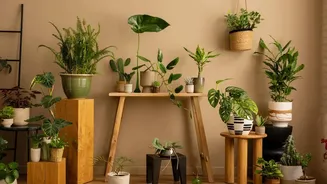
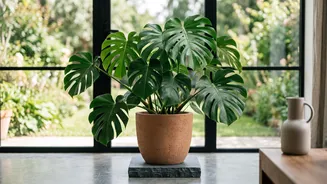
So, how many plants would it take to actually purify the air in a room? The numbers are staggering. Researchers have calculated that you would need anywhere from 10 to 1,000 plants per square meter to replicate the air-cleaning effects seen in lab studies. To put that in perspective, a small 150-square-foot room would require a dense jungle of at least 150 plants, and likely many more, to make a noticeable dent in air quality. While one recommendation suggests two large plants per 100 square feet might help, the scientific consensus is that for most people, this level of greenery is simply impractical. Your handful of houseplants are beautiful, but they are not a powerful air filtration system.
The Real Benefits of Indoor Plants
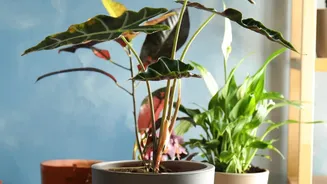
This doesn't mean you should give up on your green hobby. While the air purification claim is overblown, the proven benefits of having plants indoors are significant and well-documented. Studies have consistently shown that interacting with plants can reduce stress, lower blood pressure, and improve your mood. Having plants in your workspace can sharpen your focus and boost productivity. The act of caring for a living thing can be therapeutic in itself. Ultimately, plants connect us with nature, add beauty to our surroundings, and contribute to a sense of well-being—all excellent reasons to keep them around.
Actually Cleaning Your Air
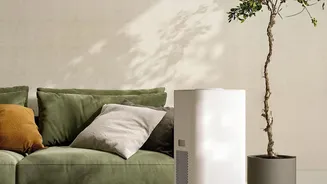
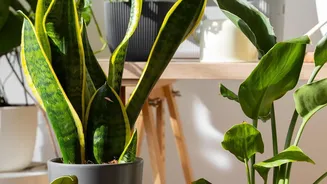
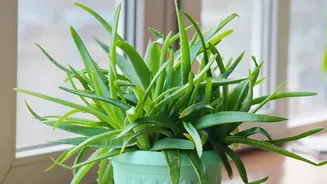
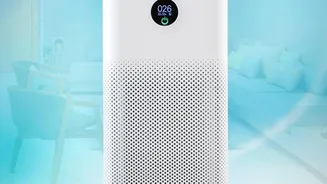
If you are genuinely concerned about indoor air quality, there are far more effective strategies than buying another snake plant. The U.S. Environmental Protection Agency (EPA) states that the best approach is to control pollution at its source and to ventilate. Open your windows regularly to allow fresh air to circulate. Use exhaust fans in kitchens and bathrooms to remove moisture and contaminants. For more powerful cleaning, consider investing in an air purifier with a HEPA filter, which is designed to capture tiny airborne particles like dust, pollen, and pet dander. These methods are proven to make a significant difference in the air you breathe every day.