





The Unbeatable Appeal of Clean and Green
Sikkim's reputation as one of India's environmental leaders is a major draw. Long before it became a trend, Sikkim pioneered green policies. It was the first Indian state to ban disposable plastic bags in 1998 and later restricted single-use plastic bottles
and Styrofoam products. This long-standing commitment to cleanliness is immediately visible in its towns and landscapes. For digital nomads accustomed to the pollution and waste of larger cities, the fresh air and pristine surroundings are a powerful incentive. More profoundly, the state is the world's first to be 100% organic. This means all its farmland is free from chemical pesticides and fertilisers, a policy that benefits over 66,000 farming families and ensures a supply of healthy, local food. For a remote worker, this translates to a lifestyle where clean living isn't a luxury, but the standard.
Connectivity and Comfort in the Clouds
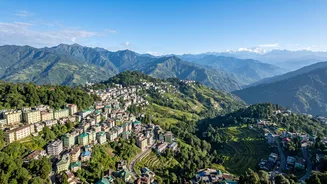
The romance of working from the mountains quickly fades without a stable internet connection. Gangtok, Sikkim's capital, successfully bridges this gap. The city is well-serviced by major providers like Jio, Airtel, and Tata Play, which offer high-speed fibre broadband with speeds up to 1 Gbps. This level of connectivity is more than sufficient for video calls, large file transfers, and any other demands of a remote job. Beyond just a strong signal, Gangtok provides the urban infrastructure that professionals need. The city has a growing number of work-friendly cafes, and dedicated coworking spaces like Sanctorum are emerging, offering amenities like meeting rooms, podcast studios, and crucial power backups. This means nomads aren't confined to their rooms but can find a community and a professional environment.
Crafting the Perfect Work-Life Balance
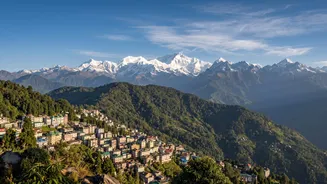
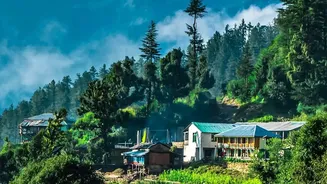
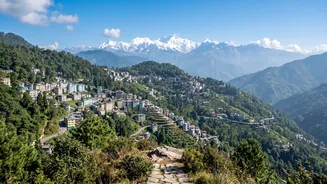
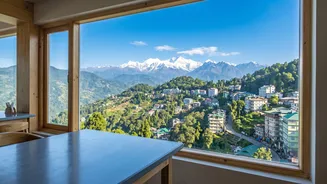
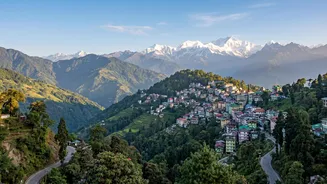
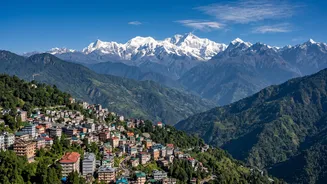
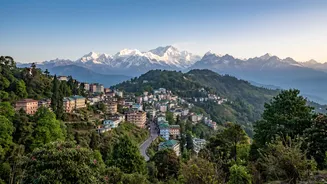
The true magic of Sikkim for a digital nomad lies in the unique blend of productivity and peace. In Gangtok, one can have a fully productive workday, supported by modern amenities, and then step out into the serenity of the Himalayas. The proximity to nature is unparalleled. A short drive can lead to tranquil monasteries, scenic hiking trails, or breathtaking viewpoints of the Kanchenjunga range. This easy access allows for genuine work-life separation, where the end of the workday means a complete mental reset in nature, a stark contrast to the endless urban grind. The state is also actively encouraging this lifestyle. Initiatives like 'Nomad Sikkim' are transforming villages such as Yakten into official digital nomad hubs, equipping community-run homestays with reliable Wi-Fi and workspaces. This model creates a sustainable income for local families while offering nomads an authentic, immersive cultural experience.
An Affordable and Welcoming Environment
While offering a superior quality of life, Sikkim remains surprisingly affordable. The cost of living in Gangtok is significantly lower than in major Indian metropolitan areas like Delhi. Expenses for housing, in particular, are substantially less, allowing remote workers with city-level salaries to live comfortably and save more. A one-bedroom apartment in the city center is a fraction of the cost of its equivalent in a major metro. This financial advantage is a critical factor for nomads planning long-term stays. Beyond the cost, Sikkim is known for its peaceful atmosphere and welcoming local culture. The state has a reputation for being safe, which is a major consideration for solo remote workers. The combination of low costs, safety, and a friendly community lowers the barrier to entry for professionals looking to make a lifestyle change, making the dream of working from the mountains an attainable reality.