






The Smart Way to Save Time
Making gravy from scratch for every meal can be a time-consuming hassle. Batch cooking is the solution. It allows you to invest a little time upfront to create a large quantity of high-quality gravy that can be stored and used for multiple meals. This
not only saves you precious minutes on busy weeknights but also ensures you have a consistently delicious sauce on hand for roasts, mashed potatoes, or poutine. Preparing gravy in advance is a popular strategy for big holiday meals, but its convenience is a game-changer for everyday cooking, too.
Building a Stable Foundation
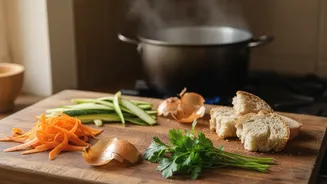
The key to a gravy that lasts is a stable base. This starts with a classic roux, a mixture of fat and flour cooked together. For the fat, you can use butter, reserved meat drippings, or oil. Cooking equal parts fat and flour over medium heat until it smells toasty and turns a lovely golden-blonde colour is a crucial step to avoid a raw flour taste. This roux is what will thicken your gravy and help keep it from separating. For the liquid, a high-quality stock is non-negotiable, as it forms the flavour backbone of your sauce. While homemade stock is ideal, a good quality store-bought version will also work well. Avoid gravies with a high dairy content, like milk or cream, if you plan to store them for more than a day or two, as they are more likely to separate or spoil faster.
Cooking for Longevity and Flavour
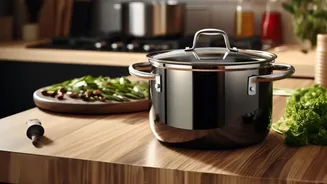
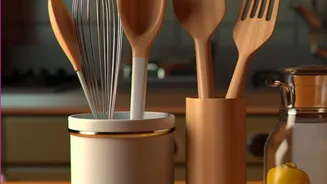
To begin, melt your fat in a large saucepan over medium heat. Whisk in the flour to form the roux and cook for a few minutes, stirring constantly. Gradually pour in your warm stock while whisking continuously to prevent lumps from forming. This is the most critical part for achieving a silky-smooth texture. Bring the mixture to a boil, then reduce the heat and let it simmer gently for at least 5 to 10 minutes to allow the flavours to meld and the gravy to thicken. Some chefs recommend simmering for up to 30 minutes for a deeper flavour. Don't be afraid to season it well, but remember the flavour can concentrate slightly as it cools and is reheated.
The Rules of Cooling and Storing
Proper cooling is a critical food safety step. Gravy should not be left at room temperature for more than two hours, as this is the 'danger zone' where bacteria can multiply rapidly. To cool a large batch quickly, never put a hot pot directly into the fridge; this can raise the internal temperature of your refrigerator and won't cool the gravy fast enough. Instead, pour the gravy into a shallow container to increase the surface area or place the pot in an ice bath in the sink. Once it has cooled down, transfer it to an airtight container and store it in the main part of your refrigerator, not the door. Stored correctly, your homemade gravy will last for three to four days.
Reheating for Perfect Results
When it's time to enjoy your pre-made gravy, the key to reviving it is to go low and slow. The best method is to reheat it in a saucepan over low heat, whisking frequently. Do not boil the gravy, as high heat can cause the emulsion to break and the gravy to split. Your gravy will have thickened considerably in the fridge; simply add a splash of broth, stock, or water to thin it to your desired consistency as it warms up. Keep stirring until it is simmering gently and heated through. If you're short on time, the microwave can also work. Use a microwave-safe dish and heat it in short 30-second intervals, stirring in between each one to ensure it heats evenly.