


Choose Your Beginner-Friendly Herbs
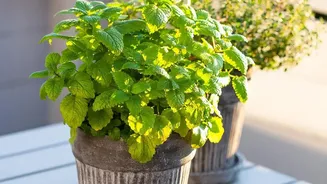
The key to a successful first-time herb garden is choosing plants that are forgiving and well-suited to the Indian climate. Start with a few essentials you'll actually use in your kitchen. Mint (Pudina) is incredibly easy to grow; it thrives in pots and grows
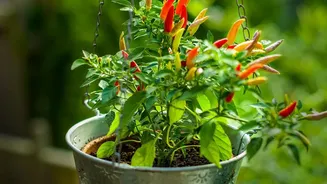
quickly. Just be sure to give it its own container, as it loves to spread. Holy Basil (Tulsi) is another resilient option that’s a staple in many Indian homes and requires minimal fuss. For your cooking needs, Coriander (Dhania), Curry Leaves (Kadi Patta), and even green chillies are excellent choices for a sunny balcony. Coriander grows best when planted in cycles, as it can bolt (flower prematurely) in intense heat. While curry leaf plants start slow, they provide a long-term reward.
Select the Right Pots and Location
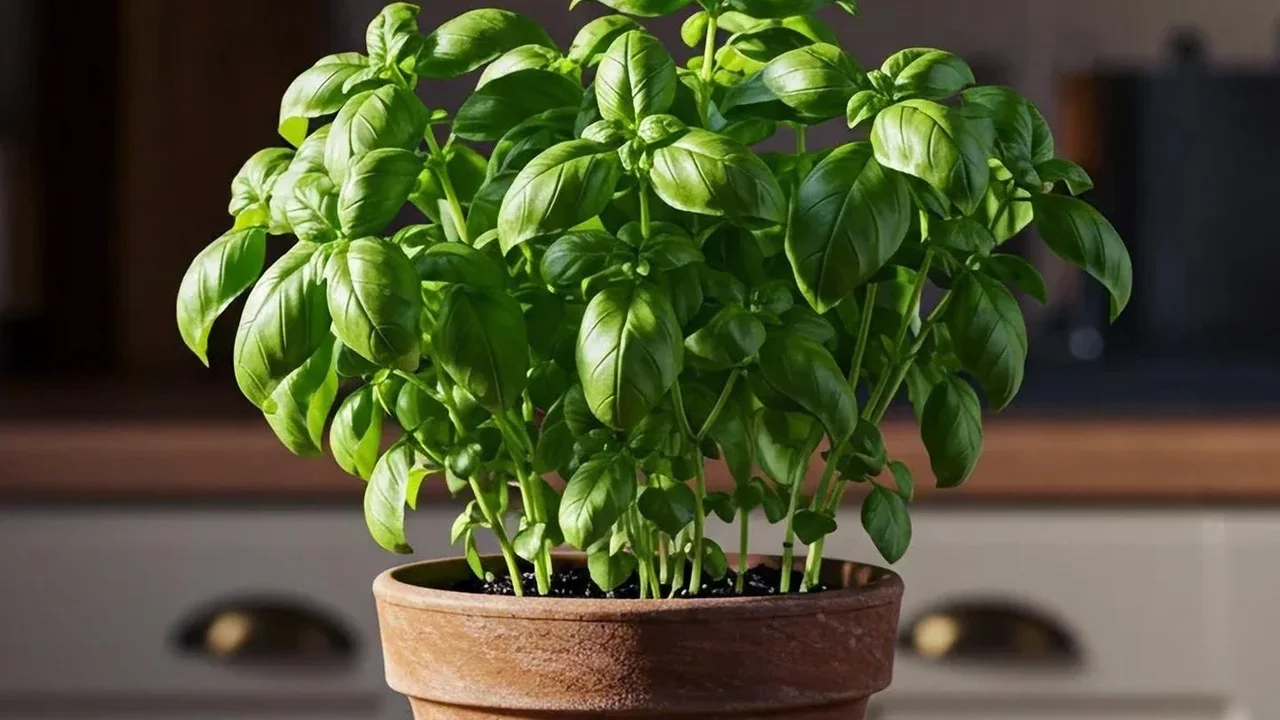
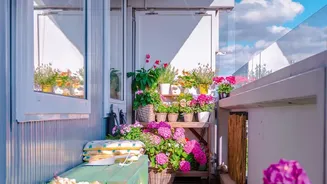
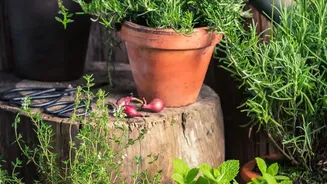
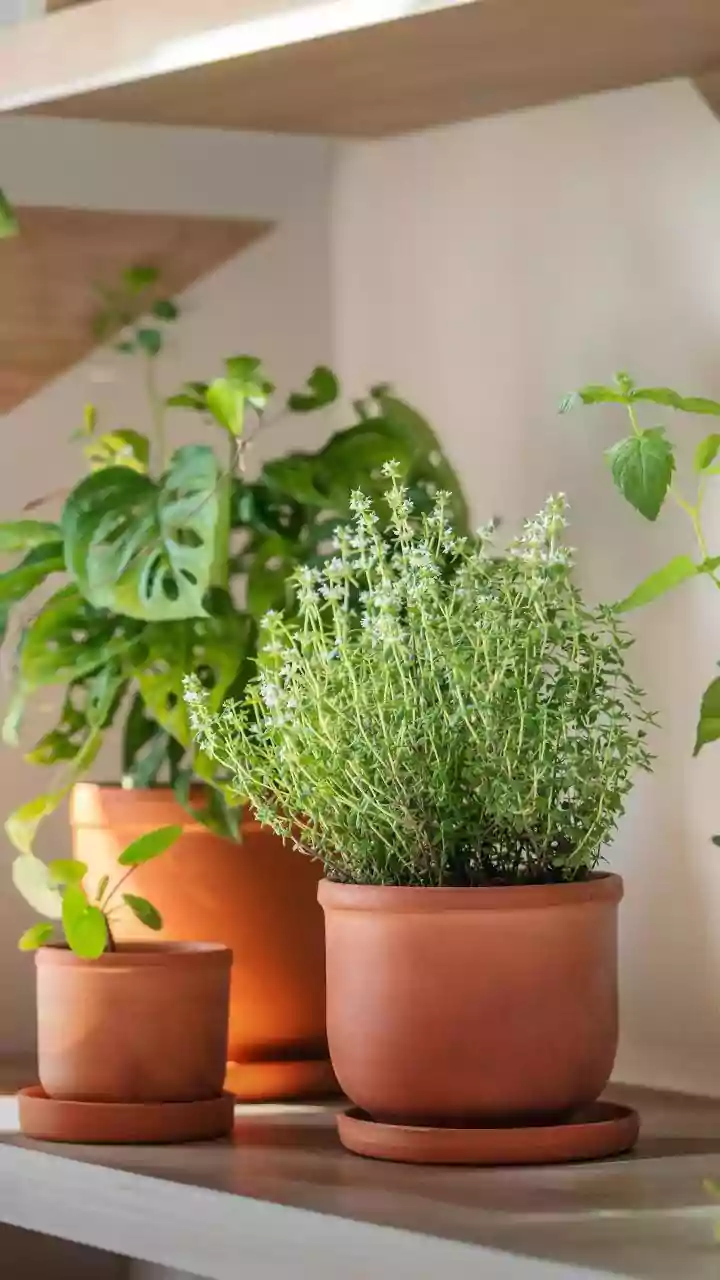
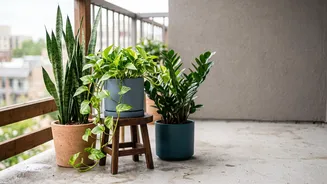
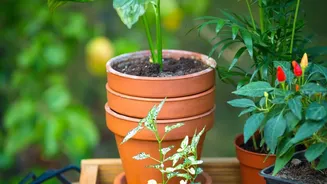
You don't need fancy containers, but you do need ones with proper drainage. Look for terracotta (clay) pots, as they are porous and allow the soil to breathe, preventing waterlogged roots—a common issue for beginner gardeners. A pot that is 8-10 inches deep is a great starting size for most herbs. This gives the roots enough room to grow without being overcrowded. Before you plant, identify the best spot on your balcony. Most herbs thrive with at least six hours of sunlight per day. Mediterranean herbs like basil and oregano love full sun, while mint can tolerate partial shade, making it more flexible. Watch how the sun moves across your balcony for a day to find the perfect home for your new plants.
Create the Perfect Soil Mix
While you can buy pre-made potting soil, creating your own simple mix gives your herbs the best start. Garden soil is often too heavy for containers and can become compacted, choking the roots. Instead, aim for a light, well-draining mixture. A reliable formula for beginners is one part garden soil, one part cocopeat (which helps retain moisture), and one part compost or vermicompost (which provides essential nutrients). This blend ensures good aeration and drainage while holding enough water to keep your herbs happy. Make sure to mix these components thoroughly before filling your pots.
Planting Your Herbs Correctly
Whether you’re starting with seeds or small saplings from a nursery, the process is straightforward. If using saplings, gently remove the plant from its nursery bag or pot, being careful not to damage the root ball. Dig a small hole in your prepared pot that’s about the size of the root ball. Place the plant in the hole, ensuring it sits at the same depth it was in its original container. Fill the surrounding space with your soil mix, gently patting it down to remove air pockets. If you’re planting seeds like coriander, sprinkle them over the soil surface and cover with a thin layer of the mix. After planting, water your herbs thoroughly to help them settle into their new home.
Watering, Care, and Harvesting
The most common mistake is overwatering. Always check the soil before you water again. A good rule of thumb is to stick your finger about an inch into the soil; if it feels dry, it’s time to water. Water the base of the plant, not the leaves, to help prevent fungal issues. Since you’ve started with a nutrient-rich soil mix, you won't need to fertilize much initially. A light top-dressing of compost every month or so is plenty. Once your plants are established, start harvesting! Regular trimming actually encourages the plant to grow bushier and produce more leaves. For herbs like basil and mint, pinch off the top sets of leaves. For coriander, snip the outer leaves first. Never harvest more than one-third of the plant at a time to ensure it stays healthy and productive.