



From Kitchen Staple to Cultural Object
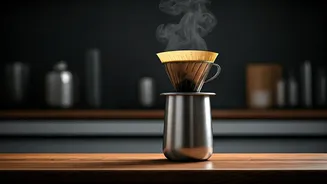
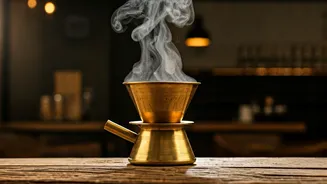
For generations, filter 'kaapi' was a quiet morning ritual, especially in South India. The process was unhurried: a slow-drip metal filter producing a dark decoction, mixed with hot milk and frothed by pouring it between a davara and tumbler. It was a comforting,
everyday beverage, often made with robust coffee blends that included chicory for a fuller, richer body designed to complement milk. This drink was less about connoisseurship and more about a predictable, daily comfort woven into the fabric of home life. Its history is tied to the arrival of coffee in India, with Baba Budan famously bringing beans to Chikmagalur, and the subsequent adaptation in South Indian kitchens. Now, this kitchen-counter staple is stepping into the spotlight, appearing on boutique cafe menus and in design-forward packaging.
The New Wave of 'Kaapi' Cool
Across India's cities, filter coffee is being rebranded as a premium experience. This isn't just about the coffee itself but the context in which it's served. Cafes with modern aesthetics, from Bengaluru to Mumbai, are making filter coffee their star attraction. Chains like Third Wave Coffee and The Rameshwaram Cafe, and standalone spots like The Filter Coffee in Bengaluru, are central to this shift. They present the traditional drink with a contemporary flair, attracting a younger generation that grew up in the era of Western-style cafes. This movement is part of a broader cultural reclamation, where urban Indians are reassessing what they consider premium and finding value in their own heritage. The language has also changed, with terms like 'origin,' 'roast profile,' and 'terroir' now applied to filter coffee, placing it firmly in the world of specialty beverages.
Deconstructing the 'Upgrade'
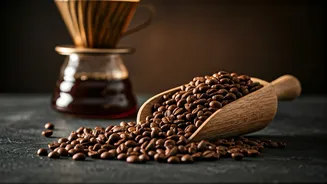
So, what exactly is new about this old favourite? The 'upgrade' is happening on multiple fronts. For some, it's about the bean. Speciality brands and cafes are offering 100% Arabica blends and highlighting single-origin beans from Indian estates like those in Chikmagalur and the Nilgiris. Others are embracing and refining the traditional chicory blend, arguing that it adds a unique, velvety body that is essential to the authentic taste, especially when mixed with milk. The experience is also being elevated. HOSA in Gurugram pairs filter coffee with a curated menu of regional snacks, turning it into an immersive cultural event. Meanwhile, creative chefs and mixologists are using the strong, earthy decoction as a base for avant-garde creations like Filter Coffee Martinis and ice creams.
A Search for Authenticity and Nostalgia
The trend isn't just about a beverage; it reflects a deeper cultural shift. In a market saturated with global coffee chains, the return to filter coffee is a search for authenticity. For many, it's a taste of nostalgia—a connection to childhood and the comforting aromas of a grandparent's kitchen. As one expert noted, a generation that grew up with international coffee brands is now looking for something that is uniquely theirs, and the answer was on their grandmother's counter all along. This revival is also a quiet rebellion against the fast-paced, high-pressure world of espresso shots. Filter coffee, with its slow-brewing process, demands a pause. It encourages a moment of mindfulness, transforming a simple coffee break into a more meaningful ritual.
Beyond the Cafe Walls
The filter coffee renaissance extends far beyond trendy cafes. A burgeoning Direct-to-Consumer (D2C) market has emerged, with brands like Blue Tokai, Rage Coffee, and VS Mani & Co offering everything from artisanal blends to instant filter coffee decoctions. These brands are catering to consumers who want to recreate the authentic cafe experience at home, focusing on high-quality beans, small-batch roasting, and convenient formats. This D2C boom has made premium and specialty filter coffee accessible to a much wider audience across the country, not just in the traditional coffee-growing south. By bridging the gap between time-honoured craftsmanship and modern convenience, these brands are ensuring the filter coffee tradition not only survives but thrives in the 21st century.