
Why Enrichment Is Not a Luxury
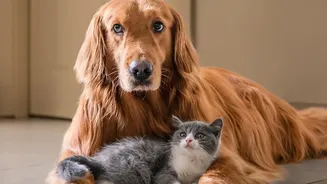
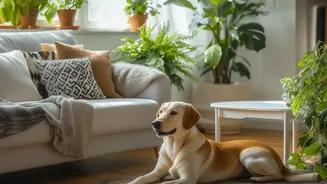
Environmental enrichment is the process of creating a stimulating environment that satisfies your pet's mental and physical needs. For animals in confined spaces, this isn't just a 'nice-to-have'; it's essential for their well-being. Without adequate
outlets for their natural instincts—like hunting, sniffing, climbing, and chewing—dogs and cats can become bored, stressed, and anxious. This often manifests in undesirable behaviours like destructive chewing, excessive barking or meowing, scratching furniture, or restlessness. By providing enriching activities, you help prevent these issues, reduce stress, and promote a healthier, happier companion.
Brain Games for a Sharper Pet
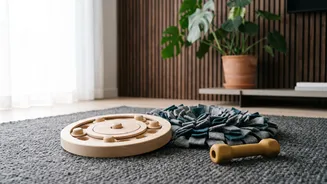
Mental exercise can be just as tiring as physical activity. Puzzle feeders and treat-dispensing toys are fantastic tools for apartment pets. They turn mealtime into a problem-solving challenge, forcing your pet to 'work' for their food, which mimics natural foraging behaviours. You can also engage your dog's powerful sense of smell with 'nose work' games by hiding treats around a room and encouraging them to 'find it'. Simple, short training sessions to teach new tricks also provide great mental stimulation and strengthen your bond. The goal is to make them think, which is a powerful way to burn energy indoors.
Go Vertical: A Cat's Best Friend
For cats, vertical space is often more important than floor space. In the wild, they are natural climbers, seeking high perches for safety and observation. You can replicate this in an apartment by installing cat trees, wall-mounted shelves, or window perches. A simple shelf near a secure window can provide hours of entertainment as they watch birds and the world go by. This 'cat TV' engages their minds and satisfies their instinct to survey their territory from a high vantage point, making them feel more confident and secure in their indoor environment.
Engage All the Senses
Enrichment isn't just about what pets see, but also what they smell, hear, and touch. For dogs, allowing ample time for sniffing on walks is crucial. For indoor cats, you can bring the outdoors in by growing pet-safe greens like catnip or wheatgrass. Providing a variety of textures is also important. A simple cardboard box can be a cat's favourite hiding spot and toy. Rotating toys every week can make old toys feel new again, preventing boredom. Even playing calming music or nature sounds can create a more soothing and interesting sensory environment for an indoor pet.
DIY and Low-Cost Solutions
Enrichment doesn't need to be expensive. You can create your own puzzles with items you already have. A muffin tin can become a slow feeder when you place kibble in the cups and cover them with tennis balls. Rolling up treats in a towel creates a 'snuffle mat' that encourages sniffing and foraging. Empty cardboard boxes from deliveries can be turned into a fun maze or searching game for your dog or a new fort for your cat. The most valuable form of enrichment is often your own time and attention through structured playtime and training.