
The Great Kitchen Reset
For decades, the Indian diet has been dominated by a few key players, primarily polished white rice and refined wheat. Their rise was accelerated by the Green Revolution, which successfully ensured food security by promoting high-yielding varieties. However,
this focus on quantity unintentionally pushed a wide array of traditional foods to the sidelines. Today, a significant shift is taking place. Spurred by a surge in lifestyle diseases like diabetes and heart conditions, many are questioning the nutritional value of these highly processed staples. This isn't about rejecting the food we grew up with, but rather about rediscovering a more balanced and nutrient-dense way of eating that aligns with both ancestral wisdom and modern science.
Beyond White Rice and Wheat
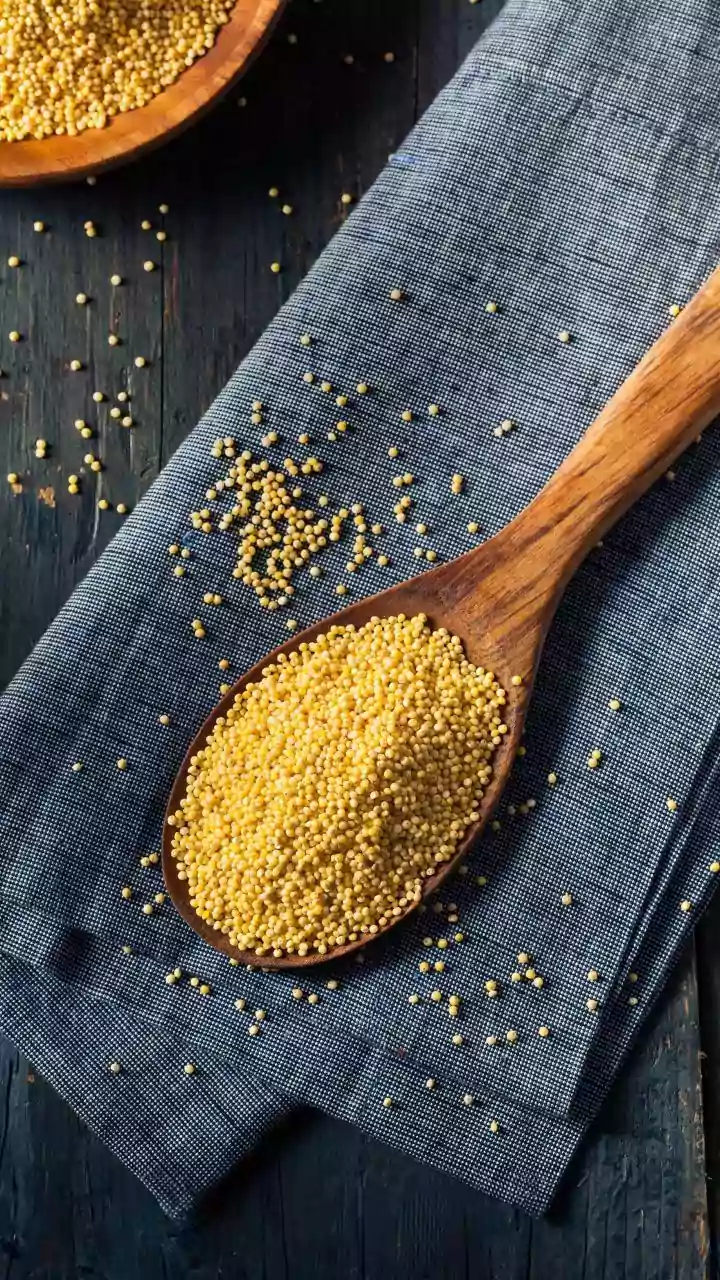
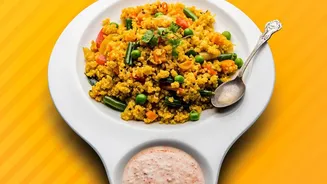
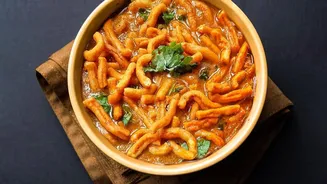
The most visible change is the comeback of millets. Grains like ragi (finger millet), jowar (sorghum), and bajra (pearl millet) were once dietary cornerstones across the country. Now, they are being celebrated for what they offer nutritionally. Compared to polished rice and refined wheat, millets generally have a lower glycaemic index, making them beneficial for blood sugar management. They are also rich in dietary fibre, protein, and essential minerals like iron and calcium. Recent studies have also raised concerns that modern, high-yield varieties of wheat and rice may have lower concentrations of micronutrients like zinc and iron than older varieties, a condition sometimes called “hidden hunger”. By reintroducing millets, even in a few meals a week, households are diversifying their nutrient intake and reducing over-reliance on a small number of grains.
The Oil Story: From Refined to Real
Another area of intense focus is cooking oil. For generations, regional cuisines were defined by locally produced, minimally processed oils like mustard oil in the north, coconut oil along the coast, and groundnut or sesame oil in the west and south. The rise of industrialisation brought cheaper, mass-produced refined oils that became standard in many urban kitchens. Today, the pendulum is swinging back. Consumers are growing more curious about processing methods and are increasingly opting for traditional cold-pressed oils. This shift is driven by an understanding that refined oils undergo high-heat processing and chemical treatments that can strip them of natural nutrients. Unrefined, traditional oils, on the other hand, retain more of their natural flavour and health-promoting compounds. While overall oil consumption remains a concern, the conversation is now more nuanced, focusing on the quality of fats rather than just the quantity.
Why This Change Is Happening Now
Several factors are fuelling this dietary rethinking. The rising prevalence of non-communicable diseases has made people acutely aware of the link between diet and health. Increased access to information allows consumers to research food sources and nutritional science independently. Furthermore, government initiatives and global recognition, such as the UN's declaration of 2023 as the International Year of Millets, have significantly boosted awareness and availability. This trend is also a cultural one—a reconnection with ancestral food practices that were inherently seasonal, diverse, and sustainable. It represents a move away from anonymous, industrial food systems towards choices that feel more grounded in tradition and personal well-being.