

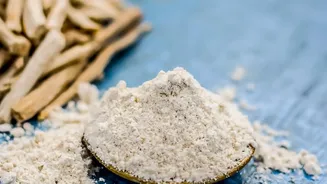
1. Swap White Rice for Millets
Instead of polished white rice, consider millets like ragi, jowar, or foxtail millet. Millets are ancient grains making a strong comeback. They are not only higher in protein and dietary fibre but also have a lower glycemic index, which helps in managing
blood sugar levels. This swap provides sustained energy, supports digestion, and is packed with essential minerals like iron and magnesium, making your daily dal-rice or khichdi significantly more nutritious.
2. Choose Multigrain Atta over Regular Wheat Atta
While whole wheat atta is a healthy staple, multigrain atta takes it a step further. By blending wheat with other grains like soy, oats, ragi, or chana dal, you get a richer nutrient profile. These blends can offer up to 50% more protein per roti, which increases satiety and helps with weight management. The added grains also provide a wider range of vitamins, minerals, and antioxidants.
3. Opt for Greek Yogurt Instead of Regular Curd
Both homemade dahi and Greek yogurt are excellent probiotics, but their nutritional profiles differ. Greek yogurt is strained to remove most of the whey, resulting in a thicker product with nearly double the protein content—around 10 grams per 100g compared to dahi's 3 grams. This protein boost makes it more effective for muscle repair and keeping you fuller for longer. It's also lower in carbohydrates and sugar.
4. Replace Potato-Based Snacks with Sprouted Legumes
Move over, aloo chaat and samosas. A bowl of sprouted moong or chana salad is a powerhouse of functional nutrition. Sprouting increases the bioavailability of vitamins and minerals, making them easier to digest. It's a fantastic source of plant-based protein and fibre that keeps you full without the empty calories and unhealthy fats of deep-fried potato snacks. Toss with chopped onions, tomatoes, and a squeeze of lemon for a refreshing and nutrient-dense snack.
5. Switch to Paneer or Tofu from Creamy Gravies
Many traditional curries rely on heavy cream or a large quantity of potato for their richness. A functional swap is to base your curries around protein-rich ingredients like paneer or tofu. Paneer offers about 18 grams of protein per 100g, while tofu provides a solid plant-based alternative. This shift transforms a carb-heavy dish into a balanced, high-protein meal that supports muscle health and satiety without sacrificing the creamy texture.
6. Bake or Air-Fry Instead of Deep-Frying Pakoras
The monsoon craving for pakoras doesn't have to be an unhealthy indulgence. Modern cooking methods allow you to get that satisfying crunch with a fraction of the oil. Baking or air-frying snacks like pakoras, samosas, or cutlets can reduce the calorie and fat content significantly. Using besan (gram flour) as a base still provides a good dose of plant-based protein, making your favourite snacks lighter and healthier.
7. Prefer Lentil-Based Dishes (Dal) over Meat Curries
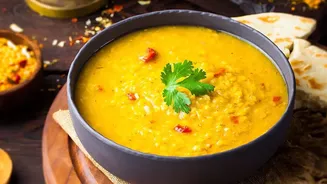
While lean meat is a good protein source, lentils and pulses are the unsung heroes of the Indian diet. A bowl of dal, such as toor, moong, or rajma, is packed with plant-based protein, fibre, iron, and folate. Swapping a heavy meat curry for a well-prepared dal tadka reduces saturated fat intake and provides gut-friendly fibre. Combining dal with rice or roti creates a complete protein profile with all essential amino acids.
8. Drink Buttermilk (Chaas) instead of Sugary Juices
Packaged fruit juices are often loaded with sugar and lack the fibre of whole fruits. A far superior choice is traditional buttermilk, or chaas. Despite its name, buttermilk is low in fat and calories. It's a natural probiotic that aids digestion and cools the body. Spicing it with roasted cumin and mint adds flavour and further digestive benefits, making it a functional beverage that hydrates and nourishes.
9. Use Nuts and Seeds for Thickening Curries
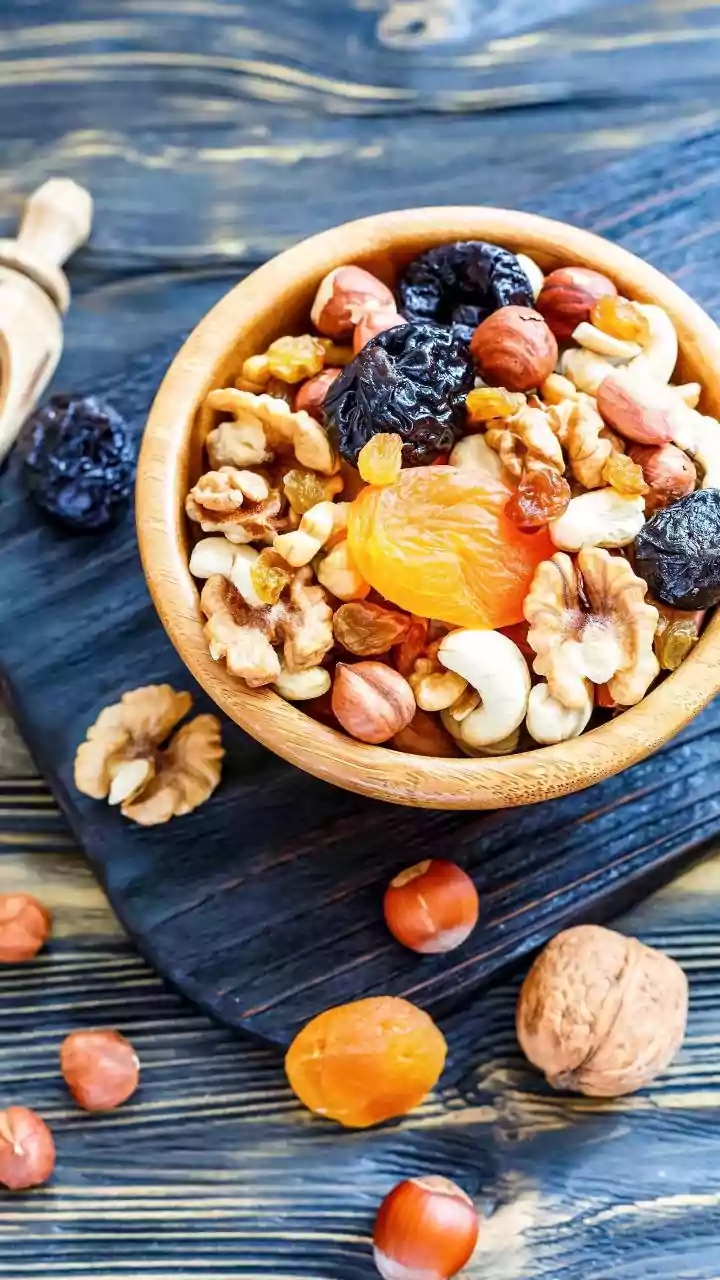
Instead of using refined flour or cornstarch to thicken gravies, turn to the functional power of nuts and seeds. A paste of cashews, almonds, or melon seeds (magaz) not only provides a luxuriously creamy texture but also adds healthy fats, protein, and micronutrients. This swap enriches the dish with functional benefits, turning a simple curry into a more complex and nourishing meal.
10. Sweeten Chai with Jaggery, Not White Sugar
The daily cup of chai can be a source of empty calories when loaded with white sugar. Swapping it for a natural sweetener like jaggery (gur) is a smart functional choice. Jaggery has a lower glycemic index than sugar and retains minerals like iron and magnesium from the sugarcane juice. It also offers digestive benefits. Alternatively, spices like cinnamon can add natural sweetness and help regulate blood sugar.