




A Monumental Feat of Engineering
The journey to connect Srinagar to the rest of India by rail has been a long and arduous one, culminating in the Udhampur-Srinagar-Baramulla Rail Link (USBRL). This 272-kilometre line is not just another railway track; it's a testament to modern engineering,
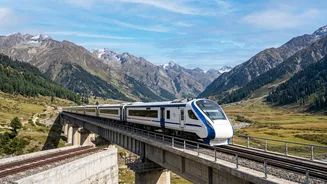
slicing through the geologically complex and seismically active Himalayas. The project was declared a National Project in 2002 and involved overcoming immense geographical challenges. The most difficult and final piece of this puzzle was the 111-km Katra-Banihal stretch, 97 km of which runs through a series of tunnels and bridges. This section alone demonstrates the scale of the undertaking, turning a decades-long ambition into a tangible reality. The entire USBRL project was finally completed and became fully operational in June 2025, paving the way for direct train services.
Bridges That Defy Gravity
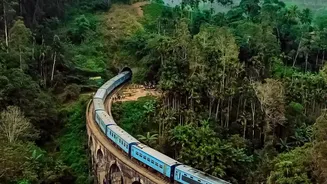
At the heart of this project are two breathtaking structures: the Chenab Rail Bridge and the Anji Khad Bridge. The Chenab Bridge is the world's highest railway arch bridge, soaring 359 metres above the riverbed—making it taller than the Eiffel Tower. This marvel of steel and concrete is designed to withstand magnitude 8 earthquakes, high-velocity winds, and even major blasts, ensuring its durability in the challenging environment. Complementing it is the Anji Khad Bridge, India’s first cable-stayed railway bridge. It spans a deep gorge over the Anji River, a tributary of the Chenab. Together, these bridges represent the pinnacle of Indian engineering and were the critical missing links required to establish an uninterrupted rail line into the valley.
The Vande Bharat Advantage
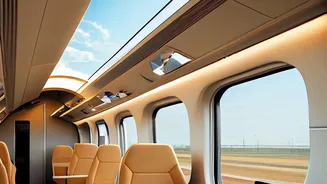
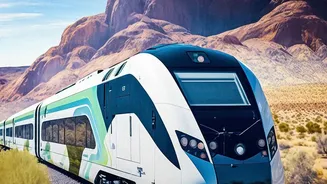
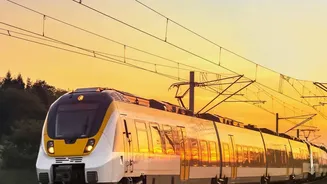
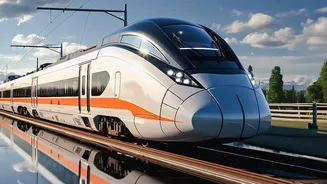
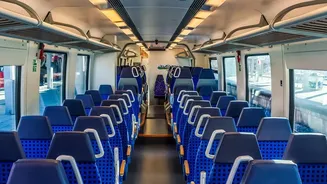
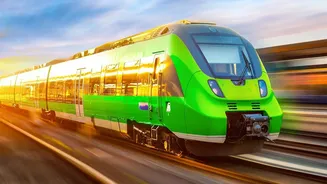
While the rail link itself is an achievement, the introduction of the Vande Bharat Express elevates the travel experience. Following the successful launch of a Katra-Srinagar service in June 2025, the direct service from Jammu Tawi to Srinagar began its inaugural run on April 30, 2026. This service slashes the travel time between Jammu and Srinagar to around five hours, a significant improvement over the often unpredictable road journey that can take much longer. The trains are specially designed for the region, featuring anti-freezing technology for water systems and bio-toilets to cope with extreme cold. To meet high demand, the service now runs with an expanded 20-coach configuration, enhancing capacity for tourists, pilgrims, and locals alike.
An Economic Lifeline for the Valley
This new rail link is much more than a convenience for passengers; it's a powerful economic catalyst for Jammu and Kashmir. For decades, the region's economy was hampered by its reliance on the Jammu-Srinagar National Highway, which is frequently closed due to landslides and heavy snowfall. The railway provides a reliable, all-weather alternative for transporting goods. This means Kashmir's famous apples, saffron, dry fruits, and handicrafts can reach national markets faster and more cheaply, preserving freshness and boosting profits for farmers and artisans. Simultaneously, the consistent inflow of essential goods like food grains, fuel, and medicine helps stabilize prices in the valley, benefiting every household.
Transforming Tourism and Strategic Mobility
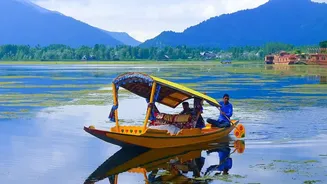
The Vande Bharat service is a game-changer for tourism, one of the cornerstones of Kashmir's economy. The ease, speed, and safety of rail travel make the 'Paradise on Earth' more accessible than ever before, promising a significant rise in visitor numbers. It particularly opens up possibilities for winter tourism, which was previously hindered by road closures. Beyond tourism, the USBRL project holds immense strategic importance. It provides a reliable and fast mode of transport for the movement of security forces and supplies to the frontier regions, strengthening India's logistical capabilities in a sensitive area. This dual benefit of economic integration and strategic advantage makes the new Srinagar service a project of true national importance.