








Why Monsoon Challenges Our Immunity
During the monsoon, the humid environment allows viruses and bacteria to thrive. This increases the risk of common ailments like the flu, colds, and stomach infections. Furthermore, our digestive system can become sluggish during this season, a concept
well-understood in traditional practices like Ayurveda. A weaker digestive fire, or 'agni', can lead to improper digestion and a build-up of toxins, which in turn can compromise our immune response. Therefore, focusing on foods that are easy to digest and possess immunity-boosting properties becomes crucial.
Embrace Warming Spices
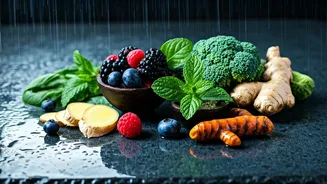
Indian kitchens are treasure troves of spices that are perfect for the monsoon. Turmeric (haldi) is a powerhouse, thanks to its active compound curcumin, which has potent anti-inflammatory and antioxidant properties. A pinch in your milk or daily cooking can do wonders. Ginger (adrak) and garlic (lehsun) are equally important. Ginger aids digestion and soothes sore throats, while garlic is renowned for its antibacterial and antiviral effects. Add freshly grated ginger to your tea and incorporate crushed garlic into your dals and sabzis to build a strong internal defence system against seasonal bugs.
Go for Gut-Friendly Probiotics
A healthy gut is the cornerstone of a strong immune system. Probiotic-rich foods like homemade curd (dahi) and buttermilk (chaas) are excellent choices. They populate your gut with beneficial bacteria that help fight off pathogens and improve digestion. A glass of buttermilk seasoned with roasted cumin (jeera) and black salt after lunch can prevent bloating and aid nutrient absorption. Avoid flavoured yoghurts that are high in sugar, which can counteract the benefits. Stick to plain, homemade versions for the best results.
Choose Seasonal Fruits Wisely
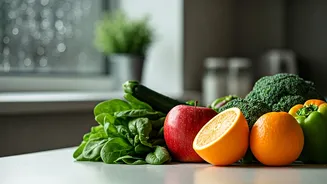
While it's tempting to eat all kinds of fruit, focusing on seasonal varieties is smartest. Pomegranates, apples, pears, and plums are great options. Pomegranates are packed with antioxidants that support your body's ability to fight infection. Apples provide fibre and vitamins that aid overall health. It's also a good idea to limit fruits with very high water content, like watermelon, and to always wash all fruits thoroughly before consumption to remove any surface contaminants. Avoid pre-cut fruits from street vendors, as they are highly susceptible to contamination.
Be Selective with Vegetables
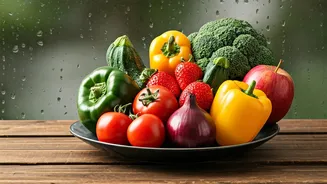
Leafy green vegetables are nutrient-dense, but during the monsoon, they can harbour dirt and germs. It’s essential to wash them meticulously, perhaps in lukewarm water with a bit of salt or vinegar. Better yet, opt for vegetables like bottle gourd (lauki), bitter gourd (karela), and ridge gourd (turai). These are easy to digest and full of essential nutrients. Steaming or cooking your vegetables thoroughly is always a safer bet than eating them raw in salads, as the cooking process kills most harmful microorganisms.
Hydrate with Warmth
Staying hydrated is key, but the kind of fluids you consume matters. Instead of ice-cold water, which can slow down digestion, opt for warm or room-temperature water. Sipping on warm herbal teas is even better. A simple concoction of tulsi (holy basil), ginger, and a dash of honey can soothe your throat and bolster your immunity. Soups are another fantastic way to stay hydrated and nourished. A light vegetable or lentil soup is not only comforting on a rainy day but also provides a wealth of easily absorbable nutrients.
Foods to Limit or Avoid
The monsoon is not the time to indulge in street food, especially items like chaat and fried snacks that may be prepared with contaminated water or left exposed. Deep-fried foods are heavy on the digestive system, which is already compromised. Similarly, it's best to avoid raw or undercooked foods, including salads and seafood, as the risk of bacterial contamination is high. Prioritise fresh, home-cooked meals that are light and easy on the stomach. Making these small adjustments can make a big difference in how you feel throughout the season.