




The Protein Shake-Up
Walk into any urban gym in India today, and you'll see the evidence. The giant tubs of imported whey protein are still there, but they now share shelf space with sleek, minimalist packages from Indian startups. On Instagram, fitness influencers who once
championed whey are now posting recipes for pea protein smoothies. This isn't just a niche trend for vegans; it's a mainstream shift. Young, health-conscious consumers are actively seeking alternatives, driven by a mix of personal wellness goals, environmental concerns, and a burgeoning sense of national pride in local products.
Why The Move From Whey?
For all its muscle-building prowess, whey protein isn't perfect for everyone. As a dairy byproduct, it contains lactose, a sugar that a significant portion of the Indian population has difficulty digesting. This can lead to bloating, gas, and general digestive discomfort — the last thing you want after a tough workout. Beyond lactose, some users are wary of the potential for hormones and antibiotics from conventional dairy farming. Others simply find plant-based diets to be 'cleaner' and lighter on the system. For them, moving away from whey is a conscious step towards a diet that aligns better with their body's needs and personal philosophy.
Enter The Humble Pea
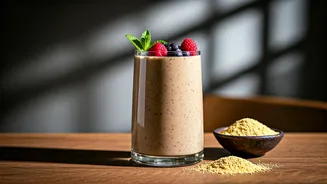
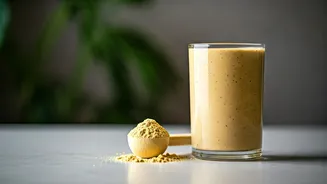
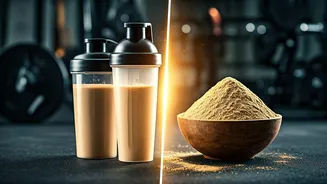
The new star of the protein world is surprisingly simple: the yellow split pea. Processed into a fine powder, it offers a powerful, plant-based protein punch. Its primary advantage is that it is hypoallergenic, meaning it's free from common allergens like dairy, soy, and gluten. This makes it a safe bet for almost anyone. Indian brands have been quick to innovate, sourcing high-quality peas from local farmers and developing formulations that challenge the dominance of international giants. They are marketing it not just as a protein source, but as a holistic wellness product that is kinder to the gut and the planet.
Nutritional Face-Off: Pea vs. Whey
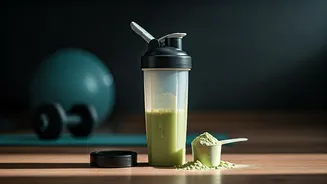
So, how does pea protein stack up against the long-reigning king? In terms of pure protein content, they are surprisingly close, with most brands offering 20-25 grams of protein per scoop. Whey, particularly whey isolate, has traditionally been celebrated for its complete amino acid profile and high concentration of Branched-Chain Amino Acids (BCAAs), especially leucine, which is crucial for triggering muscle protein synthesis. High-quality pea protein is also rich in BCAAs, though typically has slightly less leucine than whey. However, it's notably high in arginine, an amino acid beneficial for blood flow and heart health. While whey absorbs slightly faster, studies have shown that for overall muscle growth and strength gains over time, pea protein is just as effective when consumed in sufficient quantities. The choice often comes down to digestive tolerance and dietary preference rather than a clear performance deficit.
More Than Muscle: The 'Vocal for Local' Flex
This trend is about more than just nutrition; it's a cultural statement. The rise of pea protein coincides with a powerful 'Vocal for Local' sentiment across India. Consumers are increasingly proud to support homegrown brands that understand the Indian context, from flavour profiles (think mango and thandai instead of just chocolate and vanilla) to dietary needs. Buying a tub of Indian-made pea protein feels like an investment in the local economy and sustainable agriculture. It’s a fitness choice that doubles as a vote of confidence in Indian innovation, transforming a simple protein shake into a symbol of self-reliance.