







The Rise of the Weekend Spender
The rhythm of the Indian economy is changing. For decades, consumption was anchored to festivals and major life events. Now, a new, more frequent pulse is emerging: the weekend. Recent studies highlight a significant concentration of consumer spending
on Saturdays and Sundays. One report found that urban households spend a staggering 61.5% of their weekly expenditure over these two days. This isn't just about spending more; it's about spending differently. While weekdays are for routine purchases, weekends have become prime time for discretionary spending on everything from fashion and dining to entertainment and electronics. This phenomenon, dubbed the 'weekend economy', reflects a fundamental change in lifestyle, driven by dual-income households, demanding work schedules, and a collective desire to maximise leisure time.
Convenience is the New Currency
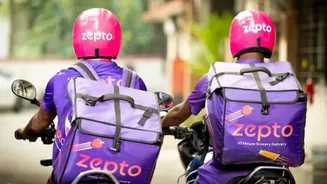
At the heart of the weekend economy is a powerful driver: convenience. Time-starved urban consumers are increasingly willing to pay a premium for services that save them time and effort. This has fueled the explosive growth of the on-demand sector. Quick commerce, which promises delivery of groceries and other essentials in under 30 minutes, has become a multi-billion dollar market in India. Platforms like Blinkit, Zepto, and Swiggy Instamart are no longer just for emergencies; they are integrated into daily life, fulfilling impulse demands for everything from morning coffee to a last-minute shirt for the office. This behavioural shift is so profound that convenience is no longer seen as a luxury but as a basic expectation. This trend is amplified by the widespread adoption of Unified Payments Interface (UPI), which has reduced the 'pain of paying' and encouraged more frequent, small-value digital transactions.
The Digital Engine Powering the Shift
The entire convenience ecosystem runs on India's world-class digital infrastructure. With hundreds of millions of smartphone users and affordable data, the barrier to entry for digital consumption is lower than ever. UPI, in particular, has been a game-changer. By making digital payments seamless, instant, and virtually free, it has turbocharged the growth of e-commerce, food delivery, and other app-based services. Studies show that the ease of UPI payments often leads to increased overall spending and more impulse purchases, directly feeding the convenience economy. This digital fluency isn't just a metro phenomenon; it's a nationwide movement, enabling new consumption patterns across the country.
Beyond the Metros: Bharat's Consumption Boom
While megacities may have pioneered these trends, the next wave of growth is decisively coming from Tier-2 and Tier-3 cities. A recent report from Kantar and DB Corp highlights that nearly one in three urban Indians now lives in these emerging hubs. Rising disposable incomes and aspirations, coupled with increased digital penetration, are fuelling a surge in branded and premium consumption in cities like Jaipur, Lucknow, and Surat. E-commerce transactions from these smaller cities now account for over 60% of the national total, with quick commerce players aggressively expanding their networks to serve this burgeoning market. This shift indicates that the convenience economy is not a niche urban trend but a structural change rewriting India's entire consumption landscape.
What This Means for Business and the Economy
This great consumption shift has profound implications. For businesses, it means rethinking everything from product design to marketing and logistics. The focus is shifting towards direct-to-consumer (D2C) models, hyper-local delivery, and creating seamless online-to-offline experiences. The success of quick commerce is forcing even traditional retailers to adapt. Economically, this trend fuels the gig economy, creating jobs in logistics and delivery services. However, it also raises questions about consumer debt and financial wellness, as the ease of spending can lead to challenges in budgeting and impulse control. As India's economy continues to grow, this focus on convenience and experience-led spending is set to become even more pronounced, shaping the future of Indian retail for years to come.