






The Spiritual Magnetism of The Yatra
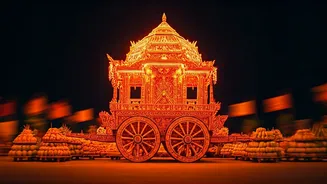
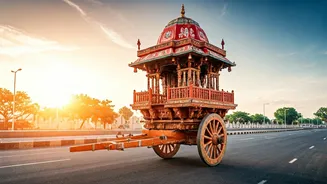
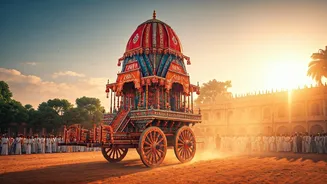
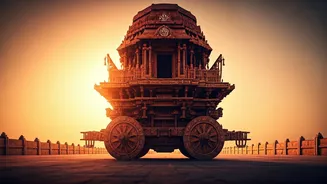
The Rath Yatra, or Chariot Festival, is one of the most significant Hindu festivals, drawing millions of pilgrims to the sacred city of Puri in Odisha. It celebrates the annual journey of Lord Jagannath, his brother Lord Balabhadra, and sister Devi Subhadra
from their home in the Jagannath Temple to the Gundicha Temple. The sight of the three colossal, ornately decorated chariots being pulled by thousands of devotees through the streets is a profound expression of faith and community. This is not just a religious procession; it is a cultural cornerstone, an experience many plan their entire year around. The desire to be present, to touch the ropes of the chariot, and to witness the deities is a powerful pull that transcends mere tourism, creating a demand for accommodation that is simply staggering.
The Great Accommodation Rush
The headline isn't an exaggeration; it's the reality on the ground. For the week of the festival, Puri’s hospitality sector operates in a different dimension. Hoteliers report that bookings for Rath Yatra often begin as early as January for the festival in June or July. By March, nearly every reputable hotel, guesthouse, and lodge within a reasonable distance of the Grand Road (Bada Danda) is fully booked. Occupancy rates hit 100%, and prices surge dramatically, often increasing by 300% to 500%. This isn't just about luxury hotels; even budget-friendly dharamshalas and community guesthouses are reserved months ahead. For late planners, the search for a room becomes a desperate hunt, often ending in accommodations miles away from the main event or in costly, unverified lodgings.
A City Transformed by Faith and Commerce
The economic impact of the Rath Yatra on Puri is immense. The festival is the city's primary economic engine. The tourist influx supports not just the hotel industry but a vast ecosystem of services. Taxi drivers, auto-rickshaw operators, restaurant owners, street food vendors, and local artisans selling Pattachitra paintings and other handicrafts all see their busiest period. The city's administration and infrastructure are pushed to their limits to manage the logistics of water, sanitation, security, and crowd control for a population that temporarily swells by millions. This symbiotic relationship between devotion and commerce is what defines Puri during the Yatra – a city completely given over to the service of the festival and its attendees.
The Parikrama Effect on Future Yatras
The demand for rooms is set to intensify further. The recent inauguration of the Srimandir Parikrama Prakalpa, a massive heritage corridor project aimed at beautifying the surroundings of the Jagannath Temple and enhancing pilgrim facilities, is expected to draw even larger crowds in the coming years. With improved infrastructure and a more accessible temple complex, the appeal of visiting Puri, especially during its signature festival, has grown. While this development is a boon for pilgrims in the long run, it adds another layer of urgency for anyone planning a visit. The 'Parikrama Effect' means that the booking window will likely shrink even further, making advance planning not just advisable but absolutely essential.
Your Rath Yatra Planning Playbook
If you dream of witnessing the Rath Yatra in person, treating it like a casual holiday booking is a mistake. Here's a more realistic approach: 1. **Plan for Next Year, Now:** The best time to book for next year’s Yatra is right after the current one ends. Set a calendar reminder for December or January to start your search. 2. **Look Beyond the Grand Road:** While staying near the main procession route is ideal, it's also the most expensive and competitive. Consider hotels in areas like Chakra Tirtha (CT) Road or even slightly further out. You can use local transport to get closer to the action. 3. **Explore Homestays and Group Bookings:** Many local families open their homes to pilgrims. While harder to book online, connecting with local contacts or using state-approved homestay portals can yield options. If travelling in a group, booking a larger service apartment can sometimes be more feasible. 4. **Manage Expectations:** If you are a last-minute planner, your best bet might be staying in nearby towns like Konark or Bhubaneswar and travelling to Puri for the day. Be prepared for massive traffic and long travel times, but it is a viable alternative to having no accommodation at all.