



Meet Pushpak, India's Space Shuttle
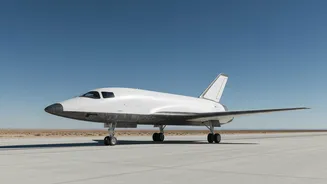
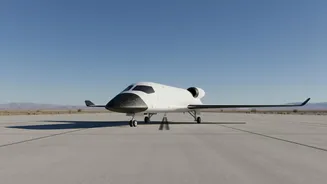
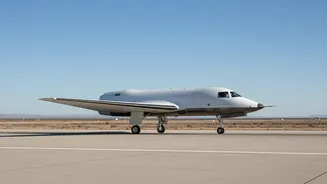
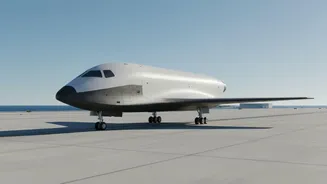
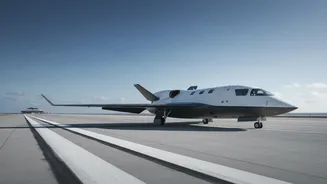
The star of ISRO's recent achievements is the Reusable Launch Vehicle (RLV), affectionately named 'Pushpak'. Think of it as a technology demonstrator, a stepping stone towards a full-fledged reusable rocket. Unlike traditional rockets that are discarded
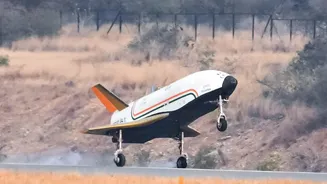
after a single use, Pushpak is designed to be a space workhorse that can be used for multiple missions. In a recent series of crucial tests, known as the Landing Experiment (LEX), ISRO has proven that this winged vehicle can land on a runway all by itself. The final test in this series, LEX-03, took place in June 2024, marking a significant milestone for India's space ambitions.
The Challenge of a Perfect Landing
Landing a vehicle from the sky is hard, but landing one autonomously from high altitude at over 320 km/h is an immense engineering feat. In the latest test, an Indian Air Force Chinook helicopter carried Pushpak to an altitude of 4.5 km and released it. From there, the vehicle was on its own. Using a sophisticated suite of sensors and a pre-loaded guidance algorithm, Pushpak navigated its way towards the runway, corrected its course for wind and other variables, and performed a precise horizontal landing. To slow its high speed, it deployed a brake parachute before using its landing gear brakes to come to a complete stop, simulating the conditions of a vehicle returning from space.
Connecting Reusability to Cost Savings
So, how does a successful landing test translate into cheaper satellite launches? The answer lies in reusability. In a conventional rocket launch, the most technologically complex and expensive components, like the engines and avionics of the upper stages, are lost forever. This makes space access incredibly expensive. ISRO aims to slash the cost of launching a payload into low Earth orbit by as much as 80 percent. A reusable vehicle like Pushpak, which forms the upper stage of a future Two-Stage-to-Orbit (TSTO) launch system, can be recovered, refurbished, and flown again. This approach transforms a rocket from a disposable tool into a reusable asset, much like a commercial airliner, dramatically lowering the cost per launch over the vehicle's lifetime.
Strengthening India's Role in the Global Space Market
This focus on cost reduction is not just an engineering goal; it's a strategic business decision. The global space industry is projected to grow significantly, with some estimates suggesting it could reach nearly $45 billion for India alone in the coming years. By developing cost-effective launch solutions, ISRO is positioning India to capture a larger share of this lucrative market. Cheaper launches will make Indian rockets more attractive to international companies looking to send their satellites into orbit. This technology is crucial for competing with private players who have already demonstrated the economic benefits of reusability, solidifying India's reputation for reliable and affordable space missions.
What's Next on the Path to Reusability?
The successful LEX missions are just the beginning. Having mastered autonomous landing in Earth's atmosphere, ISRO's next major challenge is the Orbital Re-entry Experiment (ORE). This will involve launching a vehicle into orbit around Earth and having it survive the intense heat and pressures of re-entering the atmosphere before attempting a similar autonomous landing. This next phase will test the vehicle's thermal protection systems and its ability to handle much higher velocities. While a fully operational system is still some years away, each successful test brings ISRO closer to its goal of making access to space sustainable and economical.