




Victory Snatched by a Draw
On paper, India returns from Sri Lanka with a 1-0 series victory. Yet, the mood is far from celebratory. After dominating the second Test for large periods, enforcing the follow-on, and being in a position to seal a 2-0 whitewash, the Indian team was thwarted
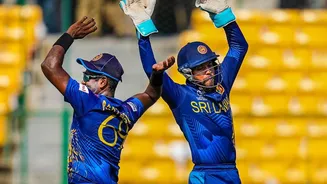
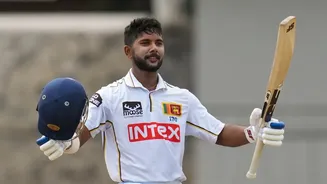
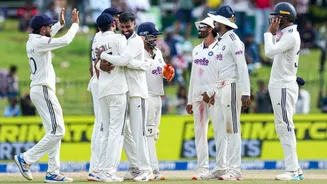
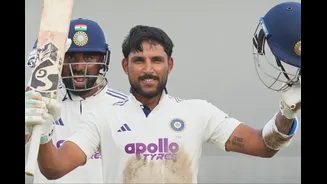
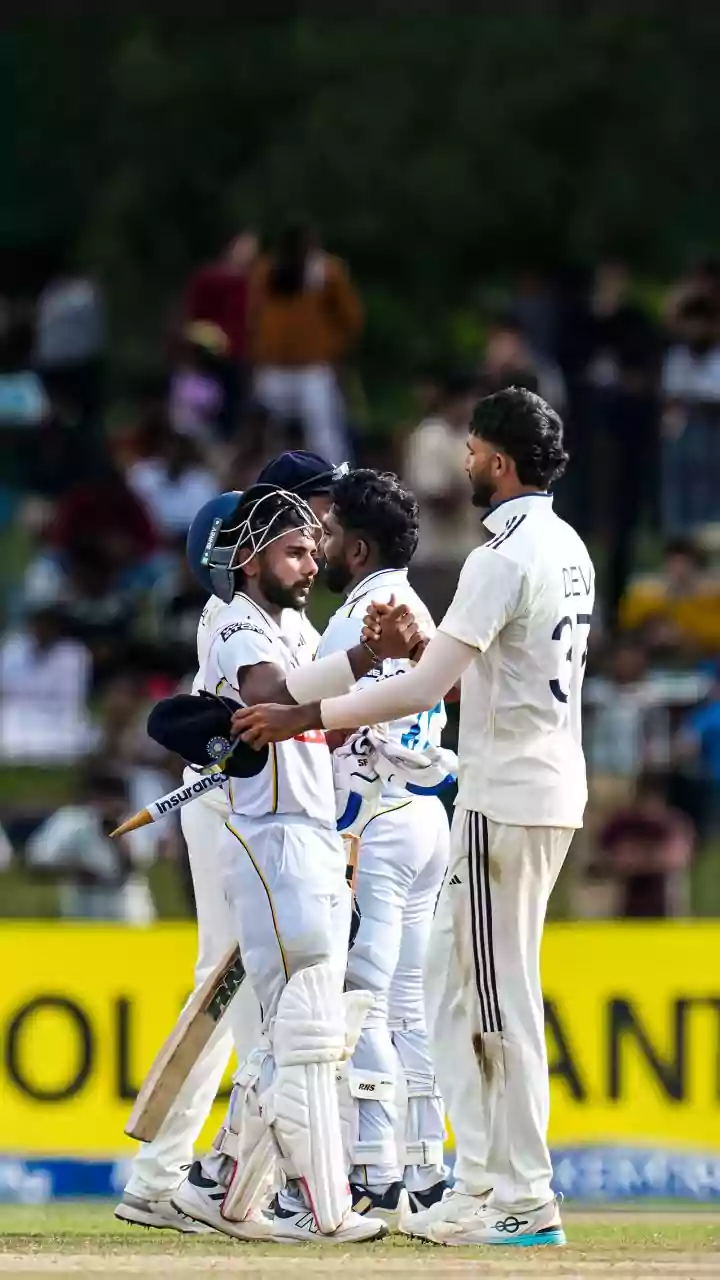
by a stunning rearguard action from the hosts. Sri Lanka, led by the heroic Sonal Dinusha who scored centuries in both innings, batted for 154 overs in their second innings to salvage an improbable draw. For India, who had posted a mammoth 503, it felt like a loss. The sight of part-time bowlers like Shubman Gill and Yashasvi Jaiswal turning their arms over as the clock ran out was a picture of desperation, not dominance.
The High Cost of Four Points
This wasn't just about one missed win; it was about the bigger picture. A victory would have netted India 12 World Test Championship (WTC) points. Instead, they walked away with just four. This eight-point dent has significant consequences. India remains stuck in fifth place in the WTC standings, with their points percentage dropping from 53.33 to 51.52. With a tough away series in New Zealand and a five-match battle against Australia looming, every point is precious. Squandering a near-certain victory against a lower-ranked team is a mistake that could haunt them as the race for the WTC final tightens. This draw wasn't just a statistical blip; it was a strategic failure.
The Case Against Gambhir
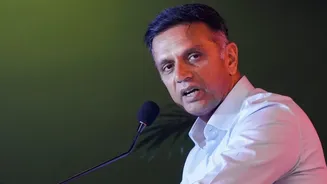
This result inevitably puts head coach Gautam Gambhir under the microscope. While he has delivered white-ball trophies like the Champions Trophy and T20 World Cup, his red-ball record has been alarmingly poor. India has suffered two home series whitewashes under his tenure—a previously unthinkable scenario. Critics point to a lack of tactical flexibility and an inability to land the killer blow. In Colombo, after reducing Sri Lanka to 229/6 on day four with a lead of only 16, the win seemed a formality. Yet, on the final day, Indian bowlers looked bereft of ideas against a determined lower order. Was there a Plan B? The on-field decisions and the bowlers' apparent fatigue suggested there wasn't one. The failure to take the final four wickets is not just on the players; it's a reflection of the preparation and strategy laid out by the coaching staff.
A Coach in Transition?
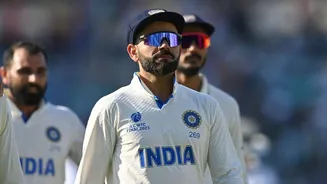
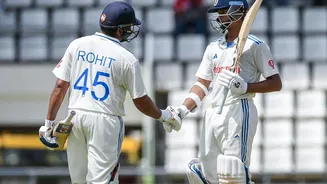
In his defence, Gambhir argues that the team is in a period of transition, having recently lost stalwarts like Virat Kohli and Rohit Sharma from the Test setup. He has repeatedly stated that his focus is on winning trophies, not on rankings or outside noise. Some may argue that sacking a coach who has delivered two major ICC trophies would be a knee-jerk reaction. The team did, after all, win the series. Furthermore, the pitch in Colombo offered little for the bowlers on the final day, and credit must be given to Sri Lanka's batsmen for their incredible resolve. Perhaps the blame lies not with the coach's strategy but with the players' execution under pressure. However, the pattern of poor red-ball results, especially at home, is too significant to ignore.
A Fork in the Road
The chorus for split coaching is likely to grow louder now. Gambhir’s Midas touch in limited-overs cricket is undeniable, but his methods in the Test arena are yielding diminishing returns. The Colombo draw feels like a critical juncture. Is this an anomaly, a one-off display of grit from an opponent that India underestimated? Or is it a symptom of a deeper malaise in India's red-ball approach under its current leadership? The team's inability to close out the game from a commanding position suggests a potential issue with the killer instinct, a hallmark that winning Test teams possess.