




The Allure of a Monsoon Makeover
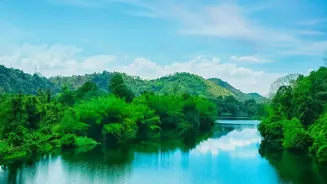
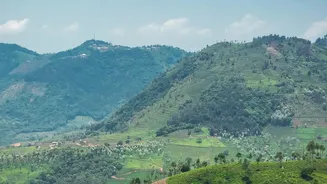
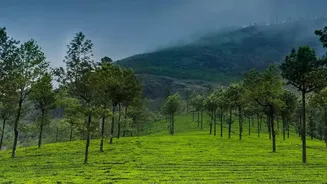
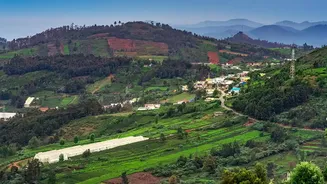
From June to September, the southwest monsoon works its magic on Coorg, also known as Kodagu. The landscape sheds its dry-season dust and cloaks itself in countless shades of green. Hillsides become vibrant, rain-fed waterfalls like Abbey and Iruppu Falls
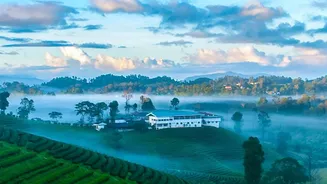
roar back to life, and a romantic mist settles over the valleys. Often called the 'Scotland of India', Coorg's beauty is arguably at its peak during the rains. This sensory transformation is a major draw for travellers seeking a visual and atmospheric escape from city life, offering a spectacle of nature at its most dramatic and rejuvenating. The air smells of wet earth and fresh foliage, a stark and welcome contrast to the usual peak season hustle.
What 'Authentic' Really Means
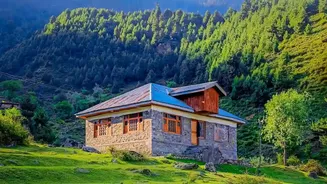
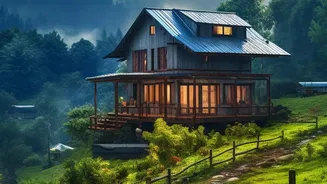
The trend isn’t just about visiting Coorg; it’s about how travellers are experiencing it. The word 'authentic' is key, signifying a shift away from large, impersonal resorts towards smaller, family-run homestays and heritage bungalows nestled within working coffee plantations. These stays offer a genuine connection to the place. Guests interact with planters, learn about the coffee-growing process firsthand, and savour home-cooked Kodava cuisine, often prepared with ingredients grown on the estate. This move towards authentic stays is a rejection of cookie-cutter tourism. It taps into a desire for a more intimate, culturally rich experience where the accommodation itself is a core part of the destination's story, not just a place to sleep.
An Immersive Sensory Experience
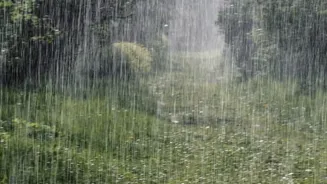
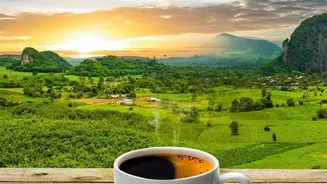
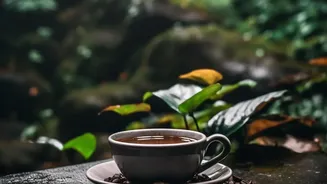
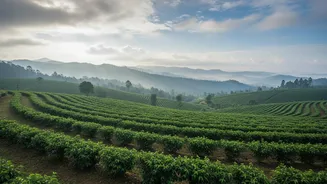
A monsoon estate stay is an experience for all senses. Imagine waking up not to an alarm, but to the sound of rain tapping on the roof and the calls of exotic birds. The main activity isn't sightseeing, but 'being'. It’s about sipping freshly brewed, single-origin coffee on a verandah while watching mist roll through the plantation rows. While the coffee harvest happens in winter, the monsoon is the growing season, a time to walk the lush, green estates (leeches and all), smell the fragrant pepper vines, and understand the ecosystem that produces India's best coffee. Many estates offer guided walks where you can learn about the shade-grown Robusta and Arabica varieties, and the symbiotic relationship with other crops like cardamom and pepper.
The Practical Perks of the Off-Season
Beyond the romance of the rain, there are practical reasons driving this trend. The monsoon is traditionally Coorg's off-season, which means fewer crowds, more peace, and better deals. Popular viewpoints like Raja's Seat are less crowded, allowing for a more serene experience. For many, the ability to enjoy the region’s beauty without the peak-season rush is a significant luxury. This slower pace allows travellers to immerse themselves more deeply, exploring trails or simply relaxing with a book without feeling the pressure to move on to the next attraction. It's a chance to have this verdant paradise almost to yourself.
A Shift in the Modern Travel Mindset
Ultimately, the rise of the Coorg monsoon trip reflects a broader evolution in what Indian travellers want. There is a growing movement away from checklist tourism and towards slow, sustainable, and experiential travel. People are seeking connections—with nature, with local culture, and with themselves. This trend is less about escaping the rain and more about embracing it as part of an authentic, grounding experience. It highlights a newfound appreciation for a destination's quieter seasons and the unique beauty they hold. Travellers are discovering that the best moments aren't always found under a clear blue sky, but sometimes, under a rain-filled one.