





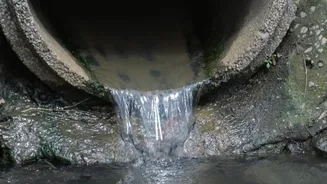


In India's bustling cities, the struggle for water is a daily reality. As groundwater levels plummet, a simple, ancient solution is gaining new urgency: catching rain right where it falls, on our own rooftops.
The Silent Crisis Beneath Our Feet
For millions of urban Indians, the water crisis
is no longer a distant threat but a present-day challenge marked by intermittent municipal supply and a heavy reliance on groundwater. Cities like Delhi, Chennai, and Bengaluru have witnessed alarming drops in their groundwater tables. This depletion is driven by a perfect storm of rapid urbanisation, which paves over open soil and prevents natural rainwater absorption, and the relentless extraction of water to meet the needs of a growing population. The result is that we are pumping water out of our underground aquifers much faster than nature can replenish them. This over-extraction not only leads to shortages but can also degrade water quality over time.
A Solution Right Above Our Heads
The solution, in part, is elegantly simple and sits atop nearly every building: rooftop rainwater harvesting (RWH). The concept involves capturing the vast amount of rainwater that falls on a building's roof, which would otherwise flow into storm drains and be lost as runoff. Instead of being wasted, this water is channelled into a system that can either store it for immediate use or, more critically for the urban water crisis, use it to artificially recharge the groundwater. This ancient practice, once seen in traditional stepwells and temple tanks, is now being adapted with modern technology, turning individual homes, apartment complexes, and offices into powerful, decentralised water conservation units.
From Rooftop to Aquifer: How It Works
The mechanism is straightforward. Rainwater from the roof is collected by gutters and directed through pipes. Before it goes any further, it passes through a filtration system to remove debris like leaves, dust, and other contaminants. A 'first flush' diverter is often used to discard the initial, most polluted flow of water from the roof. The clean water is then directed into specifically designed recharge structures. These can be simple recharge pits filled with gravel and sand or more complex recharge wells that channel water deeper into the ground, allowing it to percolate through soil layers and replenish the underground aquifers. This process mimics and accelerates natural recharge, directly countering the effects of over-extraction.
More Than Just Water in the Bank
The benefits of actively recharging groundwater through RWH are manifold. The most direct impact is the stabilisation and even rise of local water tables, which can improve the yield and lifespan of borewells in the area. This reduces dependency on expensive and unreliable water tankers, a common sight in many urban areas during dry months. Furthermore, by directing large volumes of rainwater into the ground, RWH systems help reduce stormwater runoff, which alleviates pressure on inadequate urban drainage systems and mitigates localised flooding. On a national scale, government initiatives like the Jal Shakti Abhiyan and AMRUT 2.0 are actively promoting RWH as a key component of water security, with many states like Tamil Nadu and Karnataka mandating its implementation in new buildings.
Challenges and the Path Forward
Despite its proven effectiveness, the widespread adoption of rooftop rainwater harvesting faces several hurdles. A primary challenge is a lack of public awareness about its benefits and functionality. Even where systems are installed, they often become ineffective due to poor maintenance, with filters and recharge pits clogging over time. While many states have made RWH mandatory, enforcement is often inconsistent, limiting its impact. Overcoming these barriers requires a concerted effort involving strong policy enforcement, public awareness campaigns to foster water literacy, and financial incentives like tax rebates to encourage adoption. Proper design and regular upkeep are crucial to ensure the long-term success of any harvesting system.