







The Allure of the Easy Meal
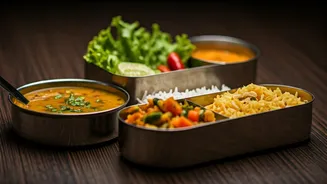
Let’s be honest: ordering takeout is easy. A few taps on your phone and a hot (or, let’s be real, often lukewarm) meal arrives at your doorstep. It promises to save you from the effort of chopping, sautéing, and cleaning. But there’s a hidden cost to this
convenience. The meal that arrives is a gamble—will it be fresh? Will it be greasy? Is that really paneer or a convincing substitute? You pay a premium for delivery fees and restaurant markups, and you give up all control over the ingredients, the oil used, and the sodium levels. More often than not, the reality of the takeout box is a pale, slightly disappointing imitation of the delicious meal you imagined.
The Biryani Dream: A Symphony of Senses
Now, imagine a different scenario. Your kitchen is filled with the fragrant aroma of whole spices—cardamom, cloves, and cinnamon—blooming in hot ghee. You hear the sizzle of onions slowly caramelising to a perfect golden brown. You see vibrant vegetables mingling in a rich, yogurt-based marinade. This isn't just about food; it's an experience. Cooking a vegetable biryani from scratch is an act of creation. It's a sensory journey that culminates in a dish that is deeply personal and infinitely more satisfying than anything that could ever come out of a plastic container. The final product isn't just a meal; it's a triumph.
Demystifying the Masterpiece
The word 'biryani' can be intimidating. It sounds complex, like something reserved for restaurant chefs or that one aunt who is a legendary cook. But here's the secret: biryani is more about process than perfection. It's a simple assembly of three core components: perfectly cooked basmati rice, a flavourful vegetable gravy, and the final layering and steaming ('dum') process that brings it all together. Don't worry about getting every single step 'authentic' on your first try. The goal is to understand the rhythm of the dish. Once you grasp the basic structure, you’ll realise it’s a forgiving and incredibly rewarding process.
The Three Pillars of Biryani
Let's break it down. First, the rice. The key is to par-cook long-grain basmati rice until it’s about 70% done. It should still have a bite, as it will finish cooking in the steam. Second, the vegetable masala. This is where your creativity shines. Sauté your favourite vegetables—carrots, peas, beans, potatoes, cauliflower—with onions, ginger-garlic paste, and a blend of spices. A mix of yogurt and powdered spices like turmeric, red chilli, and coriander creates a thick, flavourful gravy that will coat the vegetables beautifully. Third, the assembly. This is the fun part. In a heavy-bottomed pot, alternate layers of rice and the vegetable masala. Garnish with fried onions (birista), fresh mint, coriander, and perhaps a drizzle of saffron-infused milk for that classic look and aroma. Seal the pot tightly and cook on low heat for 15-20 minutes. This is the 'dum'—where the magic happens and all the flavours meld together.
Your Kitchen, Your Rules
The true beauty of cooking your own biryani is control. You are the chef. Do you love potatoes? Add more. Not a fan of cauliflower? Leave it out. Want to make it richer? A few cubes of paneer or some fried cashews will do the trick. You control the spice level, from a gentle warmth to a fiery kick. You choose the quality of your ingredients, ensuring every bite is fresh and wholesome. This isn't just about avoiding the downsides of takeout; it's about embracing the upside of home cooking. Your biryani will be a unique reflection of your own taste, a dish that no restaurant could ever replicate because it was made by you, for you.