





The Science Behind Sticky Skin
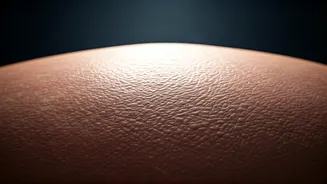
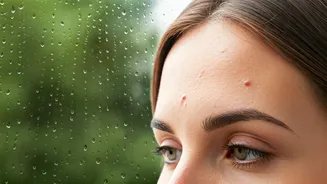
The connection between humidity and acne begins with how our skin reacts to moisture in the air. High humidity triggers the skin's sebaceous glands to produce more oil, or sebum. Normally, sweat helps cool the skin by evaporating. But in humid conditions,
the air is already saturated with moisture, so sweat evaporates much more slowly. This leaves a film on your skin where sweat, excess oil, dead skin cells, and environmental dirt can mix together. This sticky combination is the perfect recipe for clogging pores, leading to blackheads and whiteheads.
A Breeding Ground for Bacteria
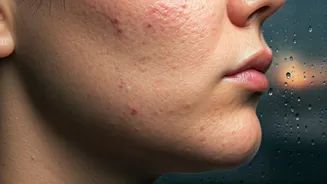
Clogged pores are only half the story. The warm, moist, and oily environment created by humidity is an ideal breeding ground for acne-causing bacteria, specifically *Cutibacterium acnes*. When these bacteria multiply within a clogged pore, it triggers an inflammatory response from your body, resulting in red, tender pimples. Furthermore, high humidity is also a risk factor for fungal acne (*Malassezia folliculitis*), an overgrowth of yeast on the skin that causes small, often itchy bumps. This condition looks like traditional acne but won't respond to the same treatments, complicating the issue further.
Adjusting Your Skincare Routine
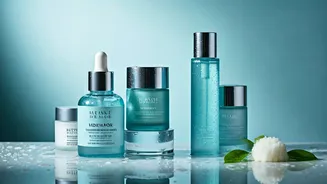
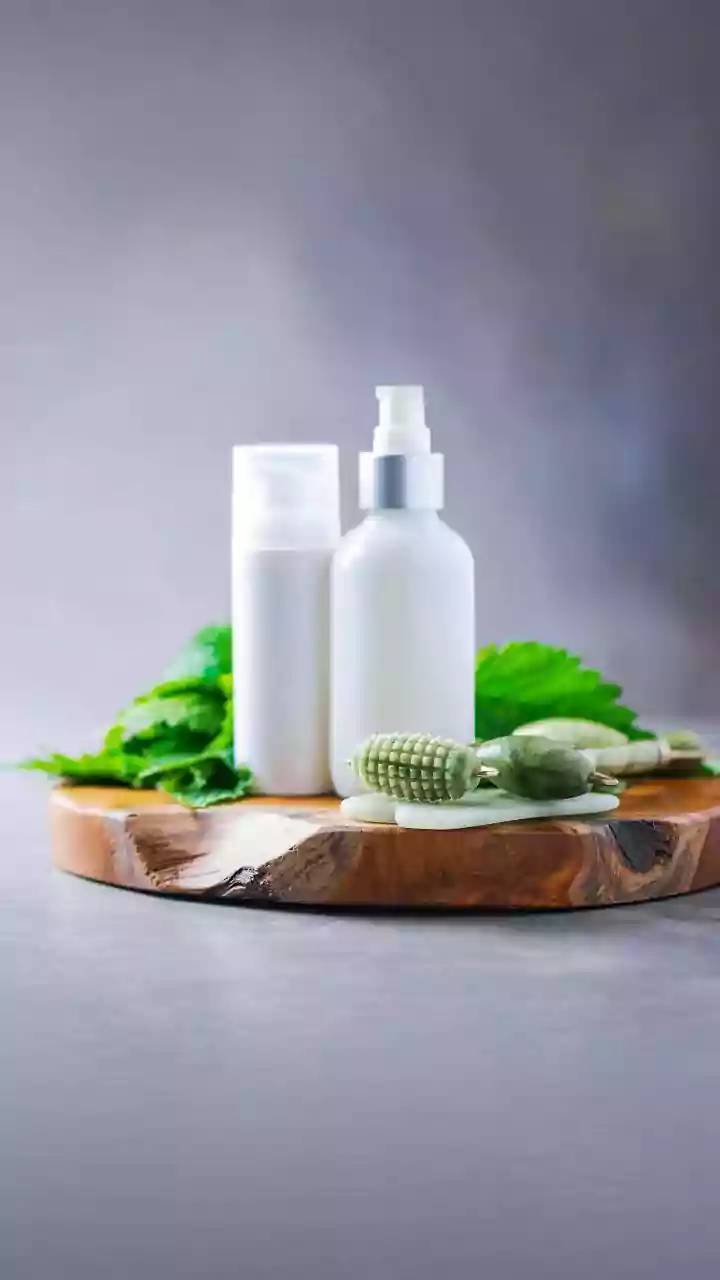
Managing your skin in high humidity is about finding balance. While you might be tempted to wash your face constantly, over-washing can strip the skin of its natural oils, causing it to produce even more sebum to compensate. Instead, stick to cleansing gently twice a day. Look for a lightweight, oil-free, and "non-comedogenic" (meaning it won't clog pores) moisturiser. Skipping moisturiser altogether can dehydrate your skin and trigger more oil production, so this step is crucial. Ingredients like hyaluronic acid can provide hydration without adding grease.
Key Ingredients and Smart Habits
Incorporate a gentle exfoliant into your routine once or twice a week to help slough off the dead skin cells that contribute to clogged pores. Products containing salicylic acid can be particularly effective, as it helps to clear pores and reduce inflammation. Sunscreen is also non-negotiable. Choose a lightweight, oil-free, or mineral-based formula (with zinc oxide or titanium dioxide) to protect your skin without contributing to breakouts. Simple lifestyle habits can also make a big difference. Change out of sweaty clothes immediately after a workout, try to use lightweight cotton fabrics that wick away moisture, and wash your pillowcases frequently to avoid transferring bacteria to your face.
What to Avoid in Humid Weather
Just as important as what you do is what you don't do. Avoid heavy, thick, or oil-based creams and makeup, as these can trap moisture and clog pores. Gel-based or water-based products are much better suited for humid climates. Resist the urge to touch your face or pick at blemishes, which can introduce more bacteria and lead to scarring. And while blotting papers can be useful for managing shine during the day, use them by gently patting the skin, not rubbing, which can cause irritation.