





A New Chapter for Ancient Weaves
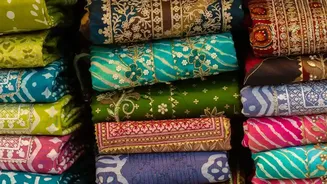
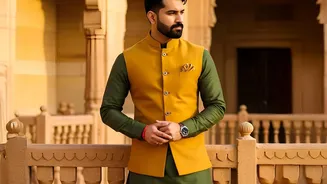
The script of Indian fashion is being rewritten on the streets. Fabrics like Khadi, Jamdani, and Ikat, once associated primarily with sarees and kurtas for festive occasions, are now being cut into oversized shirts, relaxed-fit jackets, and contemporary
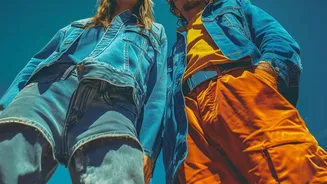
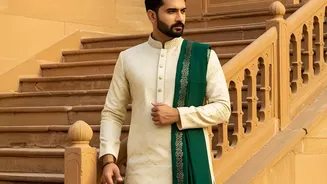
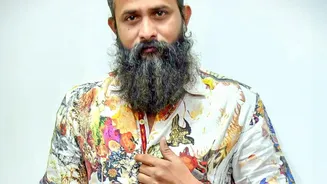
co-ord sets. This shift represents more than just a passing trend; it's a cultural reawakening. A younger generation, particularly Gen Z, is moving away from mass-produced fast fashion, seeking instead pieces that tell a story and reflect a personal identity. Brands like NorBlack NorWhite and Paiwand Studio are at the forefront, reinterpreting traditional textiles by blending them with global street culture and modern silhouettes. They are proving that handloom is not a relic to be preserved in a museum, but a dynamic and relevant material for today's wardrobes.
The Powerful Pull of Sustainability
At the heart of handloom's comeback is a powerful narrative of sustainability. In an era of climate consciousness, the eco-friendly nature of these fabrics resonates deeply with consumers. The handloom process, powered by human hands rather than electricity, has a minimal carbon footprint. Many artisans use natural dyes from plants and minerals, avoiding the chemical pollution associated with industrial manufacturing. Fabrics like Khadi are particularly celebrated for their low environmental impact, requiring significantly less water than conventional textiles. This alignment with slow fashion principles offers a guilt-free way for style-conscious individuals to make a positive impact, transforming a fashion choice into a statement of values.
A Canvas for Creativity and Comfort
For designers, handloom fabrics are a dream canvas. Their unique textures, subtle imperfections, and incredible versatility offer endless possibilities. Unlike the uniformity of machine-made textiles, each handwoven piece carries the signature of its weaver, making every garment one-of-a-kind. This authenticity is a form of luxury in itself. Furthermore, the fabrics are incredibly adaptable to different climates and styles. Khadi, for instance, is known for its breathability, keeping the wearer cool in summer and warm in winter. Designers are using these properties to create everything from structured coats to fluid, draped silhouettes that fuse traditional craftsmanship with contemporary, relaxed fits.
Identity, Authenticity, and the Global Indian
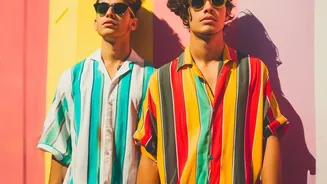
The rise of handloom in streetwear is also a story about identity. For many young Indians, wearing a piece of their heritage is a way to connect with their roots while asserting a confident, modern identity on a global stage. In a world saturated with homogenous Western trends, textiles like Ikat, Bandhani, and Ajrakh offer a distinct visual language. This is not about a nostalgic retreat to the past, but a forward-looking fusion. By pairing a Jamdani sari with combat boots or layering an Ajrakh stole over a shirt, Gen Z is deconstructing old rules and creating a new aesthetic that is personal, culturally proud, and undeniably cool. Social media has become a major catalyst, allowing these unique styles to travel from regional artisan clusters to a global fashion conversation.
Empowering Artisans, Weaving a New Future
Beyond the aesthetics and trends, this movement has a profound socio-economic impact. The handloom sector is one of India's largest employers after agriculture, supporting millions of skilled artisans, a significant number of whom are women. However, the industry has faced immense challenges from mechanised production. The renewed interest from the fashion world provides a vital lifeline, creating sustainable livelihoods and ensuring that ancient weaving techniques are passed down to the next generation. By collaborating directly with weaver communities, designers are bridging the gap between rural craftspeople and urban consumers, creating a transparent and ethical supply chain where the story behind the garment is as important as the garment itself.