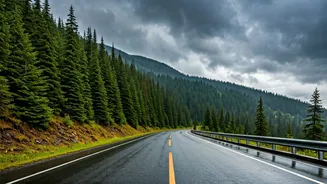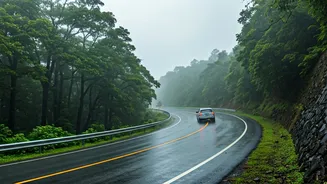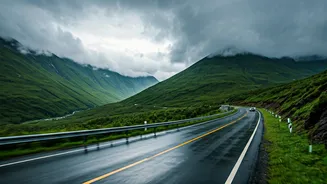






Your Pre-Drive Vehicle Checklist
A safe monsoon journey begins before you even turn the key. Heavy rain, reduced visibility, and wet roads are tough on your vehicle. First, inspect your tyres. For wet roads, a tread depth of at least 3mm is recommended for optimal grip and to reduce the risk
of hydroplaning. Also, check the tyre pressure, including the spare. Next, test your wipers. If they leave streaks or make noise, replace them. Fill your washer fluid reservoir with a proper cleaning solution, not just water, to effectively clear oily road spray. Finally, ensure all your lights are working—headlights, tail lights, brake lights, and indicators. Clear visibility is crucial for seeing and being seen in a downpour.
Route Choice: Expressway vs. Old Highway
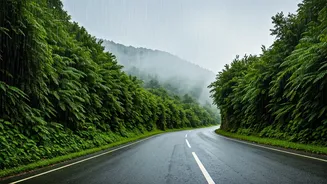
You have two main paths from Mumbai or Pune: the Mumbai-Pune Expressway and the Old Mumbai-Pune Highway (NH48). The Expressway is generally the fastest and smoothest option, well-maintained with better drainage systems. However, it comes with a speed limit of 100 km/h, which should be treated as an absolute maximum in the rain. The Old Highway offers a more local flavour, passing through small towns. While scenic, it can be slower and narrower in parts, especially in the ghat section before Lonavala. Whichever route you choose, start early in the morning to avoid heavy weekend traffic, which can significantly lengthen your travel time.
Navigating the Lonavala Ghat Section
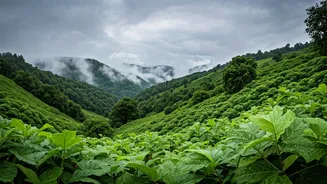
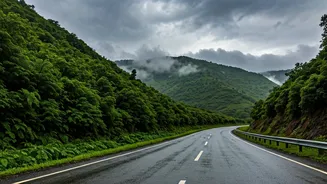
The most challenging part of the drive is the ghat section, a winding, elevated stretch known for heavy rainfall and thick fog. Patience is your best friend here. Reduce your speed significantly, and maintain a generous distance from the vehicle ahead—braking distances can double on wet roads. Use your low-beam headlights day or night to improve visibility for yourself and others. Avoid sudden braking or sharp turns, which can lead to skids. Be extra cautious of two-wheelers and pedestrians, who are harder to spot and more vulnerable in the rain. Also, be aware that landslides or falling rocks, though not frequent, are a possibility after sustained heavy showers.
Common Monsoon Road Hazards
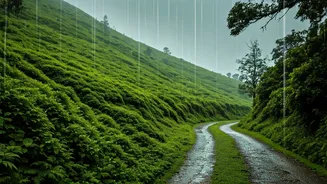
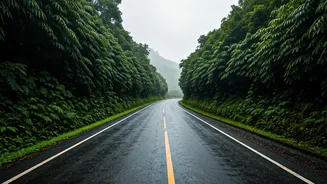
Waterlogging is a primary concern. Never attempt to drive through a flooded patch if you cannot gauge its depth. Water entering your car's air intake can kill the engine, leading to a costly repair known as hydrolock. If you must cross a shallow waterlogged area, do so in a low gear, keeping the revs steady to prevent water from entering the exhaust. Another phenomenon to be wary of is hydroplaning, where your tyres lose contact with the road surface. If you feel the car gliding, ease off the accelerator and steer gently until you regain control; do not slam the brakes. Dense fog is also common, which can reduce visibility to just a few feet. In such conditions, slow down, use fog lamps if you have them, and if it gets too severe, find a safe place to pull over and wait for it to clear.
Official Advisories and On-Site Safety
The allure of Lonavala's monsoon waterfalls and dams comes with serious risks. Unpredictable water flow and slippery rocks lead to accidents annually. In response to past incidents, local authorities often enforce strict rules. For the 2026 season, expect restrictions around popular spots like Bhushi Dam and Pavana Dam, where entering the water is strictly prohibited. These areas will be monitored, and violations can lead to penalties. Always check for the latest advisories from the Pune district administration before your trip and respect all warning signs and restricted zones. A photograph is never worth risking your safety.
What to Pack for a Rainy Drive
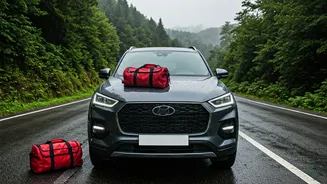
A little preparation goes a long way. Pack an emergency kit containing a first-aid box, a powerful torch, and jumper cables. Keep drinking water and some non-perishable snacks handy. A power bank is essential, as mobile networks can be unreliable in the ghats, draining your battery faster. It's also wise to have a change of clothes and proper footwear with good grip for when you reach your destination. Driving with wet clothes and shoes is uncomfortable and can be a distraction. Finally, keep some cash with you, as digital payments may not work at smaller roadside stalls.