




The Danger Zone Explained
The core principle of food safety is keeping perishable food out of the “Temperature Danger Zone.” According to the U.S. Department of Agriculture, this is the temperature range between 40°F and 140°F (5°C and 60°C), where harmful bacteria can multiply
rapidly. In fact, bacteria can double in number in as little as 20 minutes within this zone. The goal is to move your food through this zone as quickly as possible. Perishable foods should not be left at room temperature for more than two hours total. Improperly cooled food is a leading cause of foodborne illness, making your storage strategy a critical line of defense.
Why a Single Large Pot Is a Problem
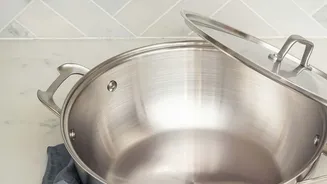
Leaving a large volume of hot food in a deep pot to cool, whether on the counter or even directly in the fridge, is a mistake. The food in the center of the pot will remain in the Temperature Danger Zone for a dangerously long time. A large, dense mass of food acts as its own insulator, preventing the cold air of the refrigerator from penetrating and cooling the core efficiently. This can even raise the ambient temperature inside your refrigerator, potentially putting other foods at risk. The longer the food stays warm, the more time bacteria have to thrive, turning your delicious meal into a potential health hazard.
The Solution: Divide and Conquer
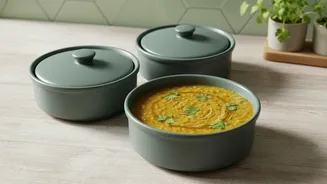
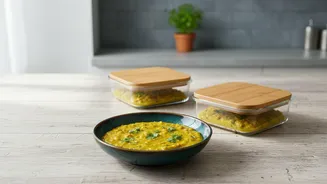
The most effective way to cool food rapidly is to increase its surface area. The best practice, recommended by food safety experts, is to divide the contents of your large pot into several smaller, shallow containers. The ideal depth for food in these containers is two inches or less. This simple step allows heat to dissipate much more quickly and evenly. Instead of a single hot core, you have multiple smaller portions that the refrigerator's cold air can tackle effectively, moving the food through the danger zone in a fraction of the time.
Choosing Containers and When to Cover
While plastic containers are common, metal or glass pans are better choices for cooling as they conduct heat away from the food more effectively. The question of whether to cover the containers immediately is a common point of confusion. A tight-fitting lid will trap steam and heat, slowing down the cooling process. The best approach is to cover the food loosely at first, or leave a corner of the lid open. This allows heat and steam to escape while still protecting the food from cross-contamination from other items in the fridge. Once the food has cooled down to 41°F (5°C), you can seal the containers tightly.
Pro-Tips for an Even Faster Chill
If you need to cool a large batch of liquid like soup or stock very quickly, you can use an ice bath. Place your smaller containers of food into a clean sink or a larger pot filled with ice and water. Stirring the food during this process will help release heat even faster. Some commercial kitchens use ice paddles—frozen, sealed wands that are stirred directly into the food—to achieve a rapid chill. For large cuts of meat like roasts or whole poultry, it's best to carve them into smaller pieces before refrigerating to ensure they cool down quickly and safely.