


Saturn at Its Brightest: Early October
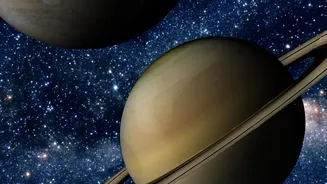
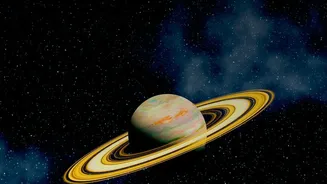
The month kicks off with a spectacular planetary show. On October 4, Saturn reaches opposition, an event where Earth passes directly between the Sun and the ringed planet. This alignment places Saturn opposite the Sun in our sky, meaning it will rise
in the east around sunset and remain visible throughout the night, setting in the west around sunrise. Because it's at its closest approach to Earth for the year, Saturn will appear brighter than at any other time in 2026. While the planet itself will be visible to the naked eye as a steady, bright point of light, a small telescope will reveal its famous rings, which may appear exceptionally brilliant due to an effect known as the Seeliger effect. The nights immediately before and after October 4 are also excellent for viewing.
The Draconid Meteor Shower: October 8–9
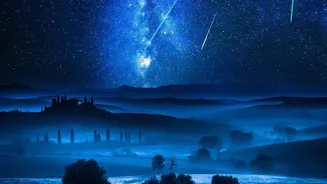
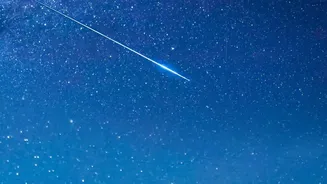
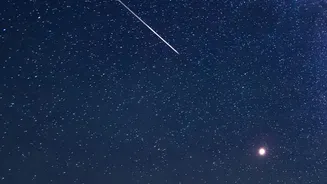
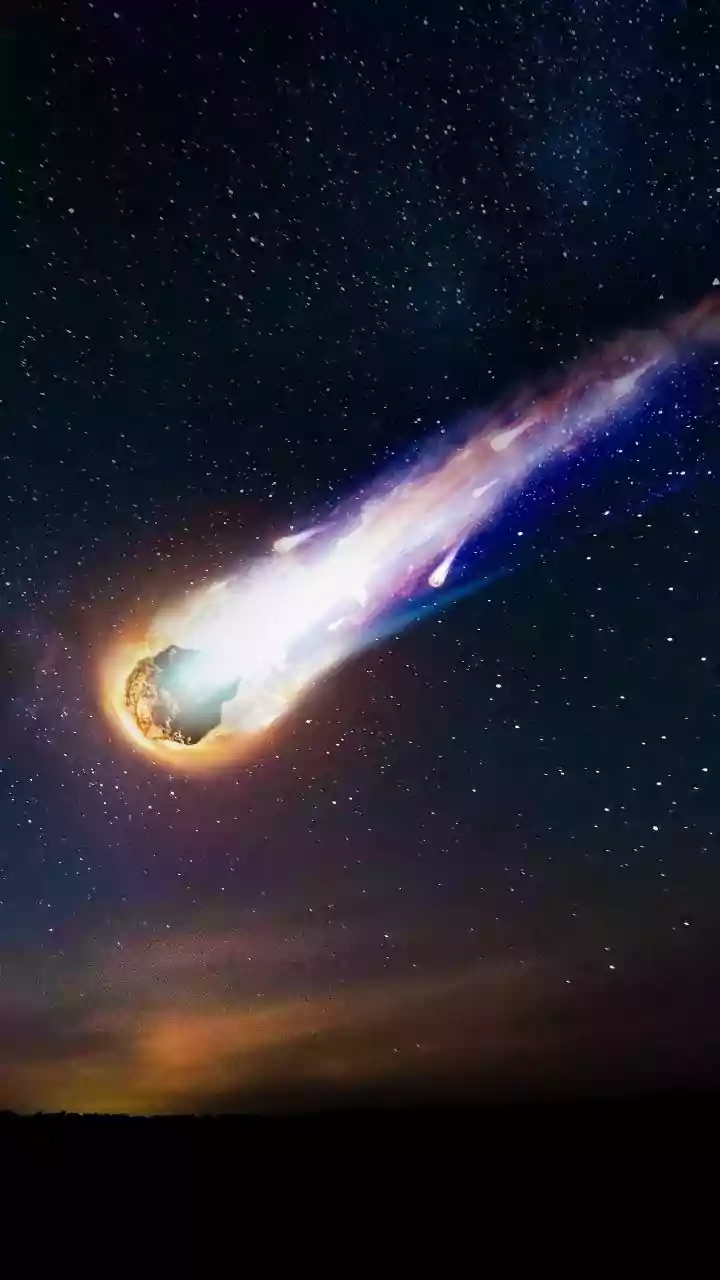
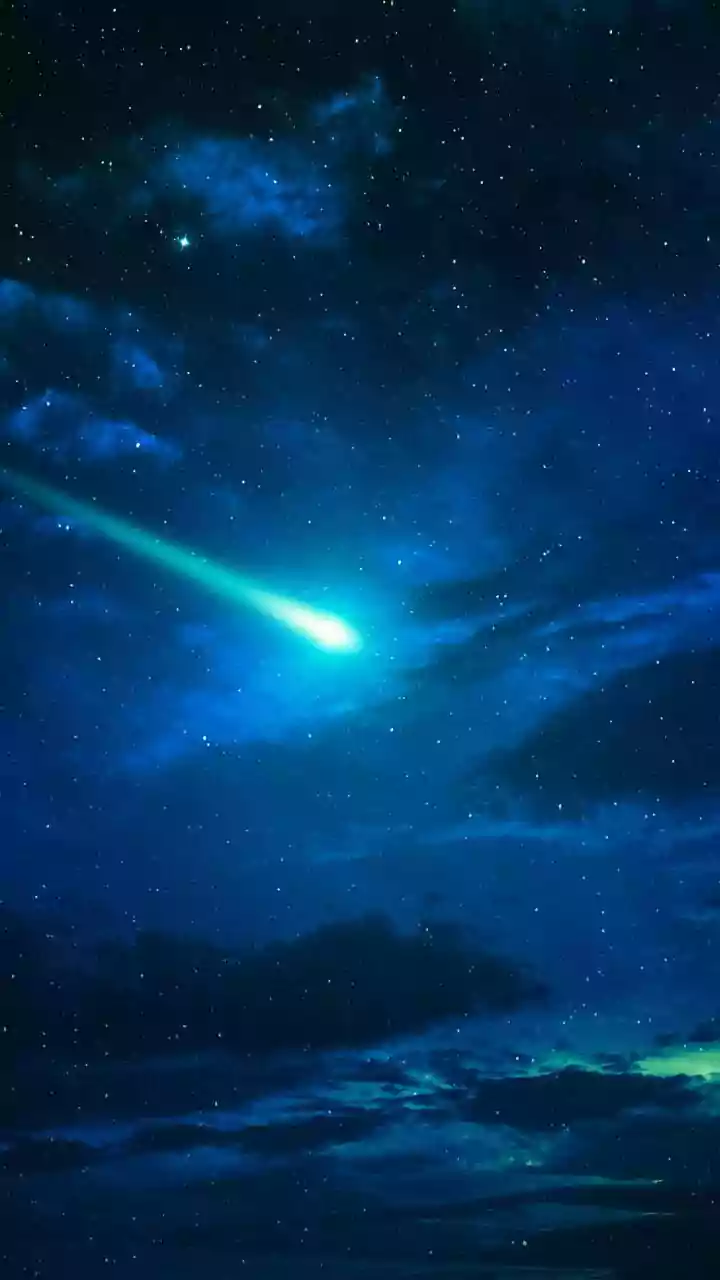
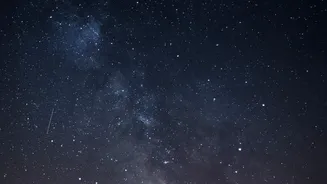
The first of two meteor showers this month, the Draconids, is set to peak on the night of October 8 and into the early morning of October 9. While typically a modest shower producing around 10 meteors per hour, viewing conditions in 2026 are nearly perfect. The peak coincides with a near-new moon, meaning the sky will be dark and free from lunar glare, making it easier to spot the fainter streaks of light. Unusually for a meteor shower, the best time to watch the Draconids is in the evening, just after full darkness settles, rather than in the pre-dawn hours. Find a comfortable spot, look towards the northern sky, and give your eyes about 30 minutes to adjust to the darkness for the best experience.
The Orionid Meteor Shower: October 21–22
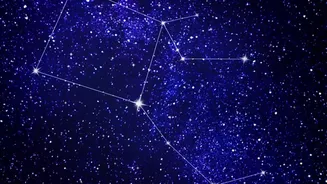
October’s second celestial display comes from one of the most famous meteor showers of the year: the Orionids. Peaking on the night of October 21 and into the morning of October 22, this shower is known for producing fast, bright meteors—up to 20 per hour in ideal conditions. These shooting stars are actually tiny fragments left behind by the famous Halley's Comet. This year, a bright waxing gibbous moon will be present for the first part of the night, potentially washing out some of the fainter meteors. However, the moon is expected to set a few hours before sunrise, opening a window of dark sky for prime viewing in the pre-dawn hours of October 22. The meteors will appear to radiate from the constellation Orion, but they can be seen streaking across the entire sky.
The Full Hunter's Moon: October 26
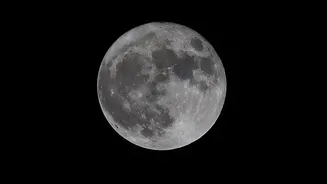
The month concludes with the beautiful sight of a full moon, traditionally known as the Hunter's Moon in the Northern Hemisphere. This name comes from the time of year when hunters prepared for the coming winter. The Moon will reach its peak illumination early in the morning in India on October 26, when it will be below the horizon for most. Therefore, the best time for viewing will be the evening before, on October 25, when you can watch the large, golden orb of the nearly full moon rise in the eastern sky shortly after sunset. This moonrise often appears particularly large and colourful due to the 'Moon Illusion', an optical effect that makes it seem bigger when close to the horizon.
Tips for the Best Viewing Experience
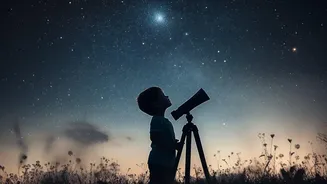
To make the most of these celestial events, a little preparation goes a long way. First, try to get away from city lights. Light pollution drastically reduces the number of stars and meteors you can see. A rural area or even a dark park will offer a much better view. Second, give your eyes time to adapt. It takes about 20-30 minutes for your eyes to fully adjust to the dark, so avoid looking at your phone screen. Third, be patient. Meteor showers are not constant; they come in spurts. Finally, dress warmly and get comfortable. A reclining chair or a blanket on the ground will save you from a sore neck and allow you to take in a wide expanse of the sky. While planets are visible with the naked eye, binoculars or a basic telescope can greatly enhance the view of Saturn's rings and Jupiter's moons.