







It Showcases Personality, Not Just Paper
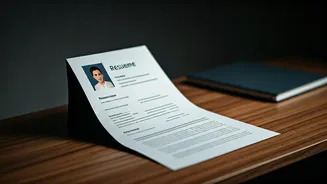
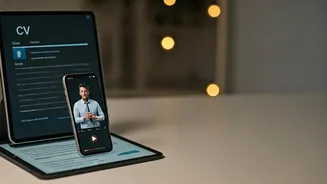
A curriculum vitae, by its very nature, is a static document. It lists accomplishments, skills, and experiences in a structured format. While essential, it fails to capture a candidate’s personality, energy, and enthusiasm. A short video clip, often called
a 'video pitch' or 'video introduction', bridges this gap. In under 90 seconds, a candidate can convey their passion, confidence, and cultural fit in a way that bullet points simply can’t. Mentors argue that in today’s collaborative workplaces, personality and attitude are often just as important as technical skills. A recruiter can get a feel for a candidate’s demeanour—are they energetic, calm, articulate, creative?—long before the first interview, giving them a significant advantage.
It Demonstrates Communication Skills Live
Many job descriptions list 'excellent communication skills' as a prerequisite, but a CV can only claim this skill; it cannot prove it. A video clip provides instant proof. It allows recruiters to assess a candidate’s verbal clarity, body language, and ability to structure a compelling argument succinctly. For roles in sales, marketing, client relations, or leadership, this is a game-changer. Seeing how a person presents themselves is a far more reliable indicator of their communication prowess than a line of text. Mentors recommend this approach because it moves the skill from the 'claimed' column to the 'demonstrated' column, immediately building credibility with a potential employer.
It Cuts Through the Application Noise
Hiring managers in India often sift through hundreds, if not thousands, of applications for a single opening. Most CVs look remarkably similar, following standard templates and using predictable keywords. A well-made video clip is a powerful pattern interrupt. It grabs attention and makes an application memorable. When a recruiter has reviewed 50 nearly identical CVs, the candidate who provided a confident and engaging video is far more likely to be remembered at the end of the day. This simple act shows initiative, creativity, and a willingness to go the extra mile—qualities that are universally valued by employers but are difficult to signal on a standard resume.
It Provides a Glimpse of Tech-Savviness
Creating a short, decent-quality video requires a basic level of digital literacy. It involves scripting, recording (even on a smartphone), basic editing, and sharing. In a world where remote work and digital collaboration are the norms, this is a subtle but effective way to signal comfort with modern technology. It shows that a candidate is adaptable and capable of using the tools that define the modern workplace. It’s not about being a professional filmmaker; it's about demonstrating resourcefulness and an ability to leverage simple technology to communicate effectively, a key skill for virtually any role today.
It’s an Authentic Alternative to AI-Generated Text
With the rise of generative AI, it's easier than ever for candidates to create perfectly worded, keyword-optimised CVs and cover letters with minimal effort. This has made it harder for recruiters to gauge a candidate's genuine writing ability and personal investment. A video clip, however, is much harder to fake. It is an authentic, personal artefact. It shows the real person behind the application, their unique voice, and their unscripted (or lightly scripted) thoughts. Mentors see this as a powerful tool for building trust and proving authenticity in an increasingly automated hiring landscape. It reassures employers that they are engaging with a genuine human, not just a polished profile generated by an algorithm.