



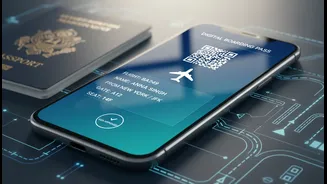


Understand the New Digital Visa System
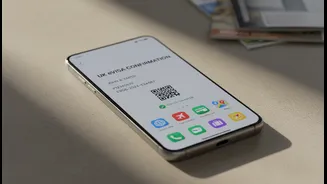
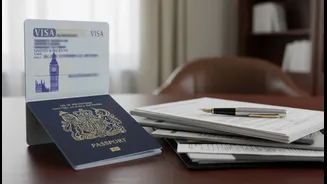
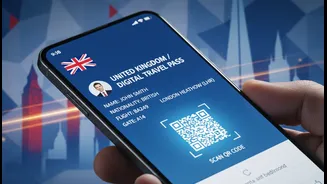
The iconic visa sticker in your passport is being phased out. The UK is transitioning to a fully digital system where your permission to travel is an electronic record, or 'eVisa', linked to your passport. Indian citizens still need to apply for a Standard
Visitor Visa in advance for tourism or family visits, as there is no visa-on-arrival option. The key change is that airlines will verify your status digitally before you board. It's crucial that your passport details are perfectly up-to-date in your UK Visas and Immigration (UKVI) account, and you must travel with the same passport you used for your application to avoid being denied boarding. While some nationalities require an Electronic Travel Authorisation (ETA), this does not currently apply to Indian passport holders, who need a full visa.
Know Your Customs Declarations
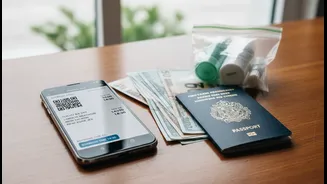
Being prepared for UK customs can save you time and trouble. You must declare any cash you're carrying if it's equivalent to £10,000 or more. This limit applies to the total amount of all currencies, not just pounds sterling. It's also important to note that Indian regulations limit carrying cash out of the country to ₹25,000 in Indian currency and the equivalent of USD $3,000 in foreign currency. Furthermore, there are strict rules about bringing food into Great Britain. While commercially packaged and sealed dry goods like spices, biscuits, and chips are generally allowed, you cannot bring in meat, dairy products, or their derivatives from non-EU countries. Be sure to pack any food items securely and be prepared to declare them if you're unsure.
Master Local Travel with the Right Card
In major cities like London, navigating public transport efficiently is key. While you can use your Indian contactless credit or debit card, a Visitor Oyster card can be a more straightforward option. You can buy one online and have it delivered to India before your trip, arriving with it ready to use. An Oyster card often offers cheaper pay-as-you-go fares than paper tickets and has a daily price cap, meaning you won't be charged more than a certain amount no matter how many journeys you make in a day. Alternatively, tapping a contactless card (Visa and Mastercard are widely accepted) on the yellow readers at stations and on buses also works and benefits from the same daily capping. Just be sure to use the same card for every journey to avoid overcharges.
Manage Your Money and Payments
The UK is a largely cashless society where card payments are the norm. Visa and Mastercard are accepted almost everywhere. Before you travel, inform your bank in India about your trip to ensure your cards are activated for international use and won't be flagged for fraud. Be aware that your bank may charge a foreign transaction fee of 2-4% on each purchase. While contactless payments are common, the ₹5,000 tap limit on Indian cards may still apply, potentially requiring a Chip and PIN for larger amounts. It's wise to carry a small amount of cash in Pounds Sterling for small purchases, but avoid withdrawing large sums from ATMs, as these can come with high fees.
Don't Forget Travel Insurance
While not mandatory for a UK tourist visa, travelling without comprehensive insurance is strongly discouraged. Medical care in the UK's National Health Service (NHS) is not free for visitors from India beyond initial accident and emergency treatment. Any subsequent hospital admission, specialist care, or follow-up treatment can be very expensive, with costs potentially running into thousands of pounds per day. A good travel insurance policy will cover these potential medical expenses, as well as provide protection against trip cancellations, lost baggage, and passport loss, offering peace of mind for your journey.