

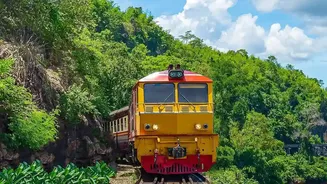
A Theatre of Waterfalls and Mist
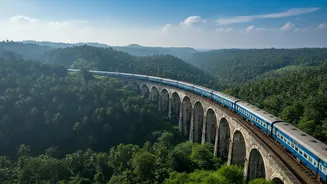
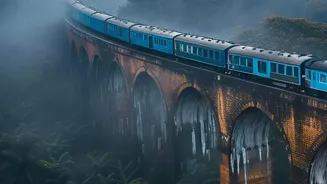
The primary allure of a monsoon train journey through the Western Ghats is the sheer visual spectacle. As the rains arrive, the parched, rugged landscape transforms into a vibrant panorama of impossible greens. The journey becomes a front-row seat to nature's
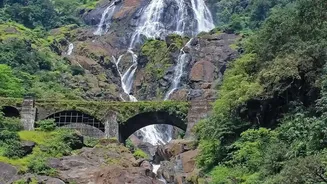
grand performance. Routes like the iconic Konkan Railway, which connects Mumbai to Goa, are legendary for this reason. The train snakes through 92 tunnels and crosses over 2,000 bridges, offering breathtaking views of valleys shrouded in mist and countless waterfalls that cascade down cliffs, sometimes just metres from the tracks. Similarly, the journey from Hubli to Madgaon in Karnataka offers a famous glimpse of the mighty Dudhsagar Falls, which is at its most powerful and dramatic during the monsoon. For many young travellers, capturing these ephemeral, rain-washed vistas is an experience far more rewarding than a quick flight.
The Joy of a Digital Detox
In an always-on world, the train journey offers a rare and welcome opportunity to disconnect. As the train chugs through the remote ghat sections, mobile network coverage becomes patchy and unreliable. This enforced digital detox pushes travellers to lift their heads from their screens and engage with the world outside their window. It encourages conversations with fellow passengers, sharing stories and snacks, and fostering a sense of community that is often lost in other modes of transport. For a generation grappling with digital fatigue, the appeal of being unreachable for a few hours is immense. It’s a chance to read a book, listen to music while watching the rain, or simply be present in the moment, observing the ever-changing landscape. This return to a simpler, more mindful form of travel is a significant part of the attraction.
Nostalgia and Old-World Charm
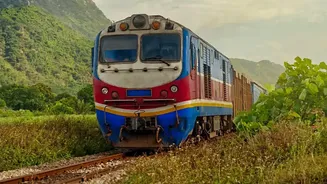
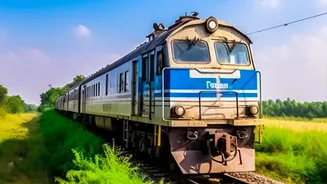
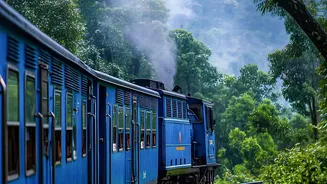
Indian train journeys are steeped in a powerful sense of nostalgia, a feeling that resonates deeply with many young people seeking authentic experiences. The rhythmic clatter of the wheels on the track, the call of the chai-wallah on the platform, and the diverse mosaic of people sharing a carriage are all part of a collective cultural memory. Heritage routes like the Matheran Hill Railway, a narrow-gauge toy train near Mumbai, offer a direct portal to this old-world charm. The slow pace of these trains allows passengers to soak in the surroundings, wave at children in passing villages, and feel connected to the journey itself, not just the destination. It’s a romantic, analogue experience in a fast-paced digital age, and this nostalgic pull is a major reason why these journeys feel so special.
An Adventure That’s Accessible
Compared to the rising costs of flights and the logistical challenges of road trips during the monsoon, train travel remains a remarkably affordable and accessible option for students and young professionals. A ticket for a scenic 12-hour journey can cost significantly less than a one-hour flight, making it a budget-friendly way to have a rich travel experience. This affordability democratises travel, allowing more people to explore the country's natural beauty. Furthermore, the engineering marvels of these routes, especially the Konkan Railway, add a layer of adventure. Plunging into a dark, dripping tunnel and emerging into a sun-dappled, rain-washed valley is a thrill in itself. The journey feels like an active exploration, not just passive transit, making it a low-cost, high-reward adventure that perfectly suits the sensibilities of young explorers.