



The Quest for the Perfect Naan
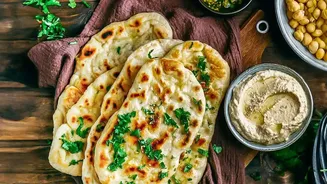
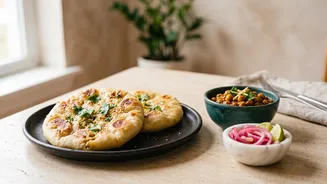
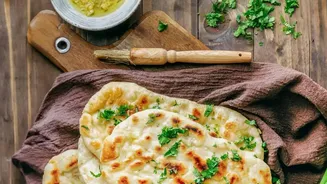
For years, the gold standard for many Indian breads like naan and kulcha has been the traditional clay tandoor. These ovens reach scorching temperatures that home kitchens simply cannot match, creating that signature combination of a crispy, lightly charred
exterior and a soft, fluffy interior. The intense heat cooks the bread in minutes, puffing it up beautifully. This reliance on specialised, high-heat equipment has traditionally placed these breads out of reach for the average home cook, who is often left with denser, less satisfying results from a standard oven or stovetop tava.
The Appliance Revolution
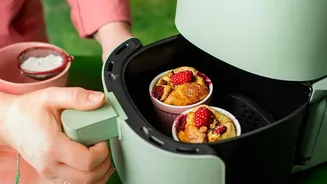
A key driver of this change is a new generation of countertop appliances designed to replicate tandoor-like conditions. Electric tandoors, which are compact, safe for indoor use, and easy to clean, are becoming increasingly popular. Brands like Puri and Gulati offer residential models, while some home cooks have even adapted high-heat pizza ovens for the task. Other innovations include electric flatbread makers and even automatic bread machines that handle the entire process from kneading the dough to baking. People have also found creative hacks, such as using an inverted pressure cooker on a gas stove to mimic the enclosed, high-heat environment of a tandoor. These appliances close the technology gap, making authentic textures and flavours achievable without a full-sized clay oven.
Smarter Ingredients, Simpler Steps
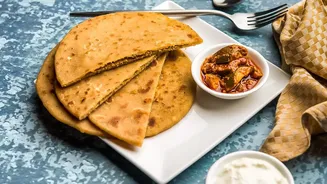
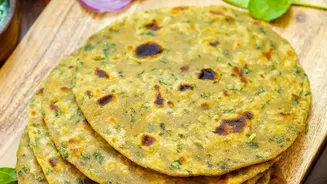
Beyond hardware, the ingredients aisle has seen a transformation. The ready-to-cook (RTC) market in India is booming, with a projected compound annual growth rate of over 8%. Brands like Aashirvaad, Haldiram's, and Freshey's offer frozen or ready-to-cook naan, parathas, and kulchas that go from freezer to plate in minutes. These products use advanced technologies like Individual Quick Freezing (IQF) to preserve taste and texture without preservatives, delivering a remarkably fresh experience. For those who still want a hands-on approach, specialized flour mixes and kits take the guesswork out of dough preparation, ensuring consistent and reliable results every time.
The Digital Ustad
Knowledge itself has become more accessible. Where culinary techniques were once passed down through generations or learned through professional training, today’s home cooks have a digital 'ustad' (master) at their fingertips. YouTube, Instagram, and countless food blogs are filled with detailed tutorials from professional chefs and experienced home cooks. These resources break down complex processes, from achieving the perfect dough consistency to the technique of slapping a naan onto a hot surface. This democratisation of culinary knowledge empowers enthusiasts to experiment with confidence, tackling everything from a basic tandoori roti to a stuffed Amritsari kulcha.
Beyond Just Naan
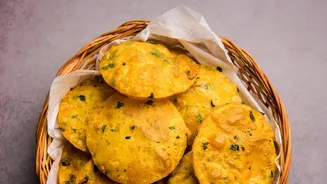
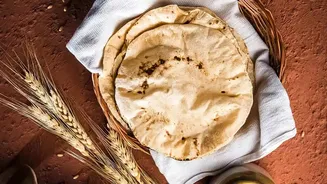
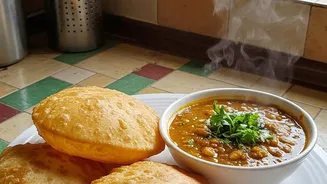
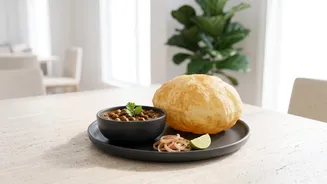
This trend isn't limited to just naan. The newfound accessibility extends across the diverse landscape of Indian breads. Home cooks are now trying their hand at flaky lachcha parathas, deep-fried bhaturas, and stuffed kulchas. The combination of better equipment, convenient ingredients, and freely available expertise has unlocked a whole new dimension of home cooking. It allows families to enjoy a wider variety of fresh, hot breads that were previously reserved for special occasions or restaurant visits, transforming everyday meals into more flavourful and authentic experiences.