


The Creamy Classic: Moong Dal
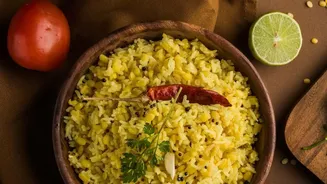
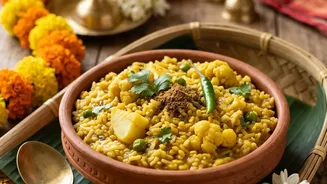
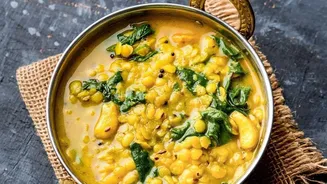
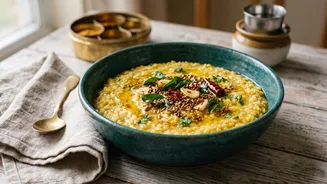
The most common and beloved khichdi is made with rice and split yellow moong dal. This combination is prized for its digestibility, which is why it's often recommended when one is feeling unwell. Yellow moong dal breaks down easily, creating a soft, creamy,
and porridge-like consistency that is soothing and light on the stomach. For a slightly different texture, you can use split green moong dal (with the husk), which adds a bit more fibre and a slightly earthier taste. This version is the foundation upon which most other variations are built and is a staple in households across North India.
A Heartier Upgrade: Toor Dal
For a more robust and textured khichdi, turn to toor dal (also known as arhar dal or split pigeon pea). Unlike moong dal, toor dal holds its shape better during cooking, resulting in a dish where the lentils are more distinct rather than completely mushy. This creates a heartier meal with more bite. Toor dal imparts a nutty, slightly sweet flavour that pairs wonderfully with a dollop of ghee and a side of plain curd or pickle. This variation is particularly popular in western India, including Gujarat and Maharashtra, often forming the base for spicier masala khichdis.
The Quick and Earthy Choice: Masoor Dal
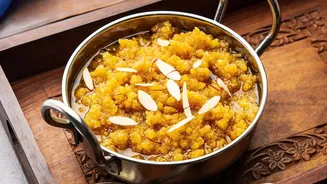
Masoor dal (red lentil) is another fantastic option for khichdi, known for its quick cooking time and earthy flavour. Because it cooks so fast, it can easily be prepared in an open pot without a pressure cooker, making it ideal for a speedy weeknight meal. When cooked, masoor dal turns a warm yellow and breaks down into a thick, flavourful base that gives the khichdi a lovely, rustic character. It creates a consistency that's somewhere between the creaminess of moong dal and the firmness of toor dal.
The Powerhouse: Panchmel Khichdi
Why stick to one dal when you can have five? Panchmel or Panchratna Khichdi is a nutritious powerhouse made with a blend of five different lentils. Common mixes include toor dal, chana dal, masoor dal, and both split green and black moong dal. This combination offers a complex tapestry of flavours and textures, from the firmness of chana dal to the creaminess of moong. Each lentil contributes its unique nutritional profile, making this version incredibly rich in protein and fibre. It's a one-pot meal that truly has it all.
Beyond Rice: Embracing Millets
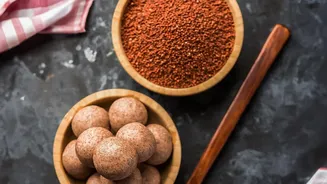
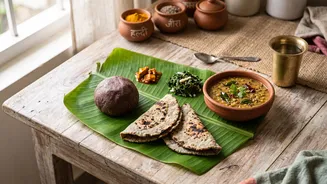
Khichdi doesn't have to be made with rice. For a rustic and highly nutritious alternative, millets are an excellent choice. Bajra (pearl millet) khichdi is a winter speciality in Rajasthan, offering a coarse texture and deep, earthy flavour. It’s often cooked with moong dal and seasoned with warming spices. Other millets like foxtail millet, kodo millet, and barnyard millet are also gaining popularity. They are naturally gluten-free, high in fibre, and have a low glycemic index, making them a great option for those looking for a healthier comfort meal.
The Fasting Favourite: Sabudana Khichdi
While not a traditional grain-and-lentil dish, Sabudana Khichdi deserves a special mention for its unique place in the khichdi family. Made from sabudana (tapioca pearls), it's a popular dish during Hindu fasting periods like Navratri. The soaked tapioca pearls are sautéed with potatoes, roasted peanuts, green chillies, and cumin seeds. The result is a delightful dish with a chewy texture from the sabudana and a nutty crunch from the peanuts. It's a gluten-free dish that provides sustained energy.